Her life
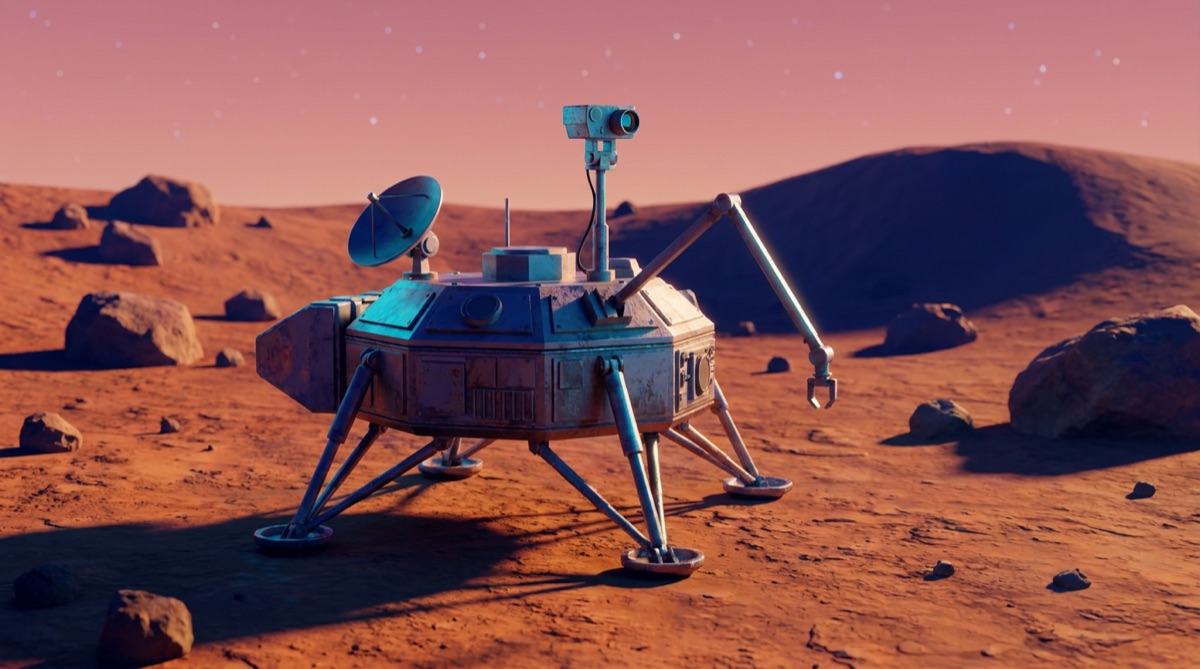
Adriana Ocampo was born in Barranquilla, Colombia, on January 5, 1955. Her mother, a Montessori teacher, and her father, an electrical engineer, encouraged her from an early age to ask questions and to look at the sky. The family moved to Argentina, where she grew up, and later to the United States, where she finished high school and became a citizen. In Pasadena, California, she joined a group of young explorers connected with NASA’s Jet Propulsion Laboratory (JPL) and began working there while still a student, analyzing images of the surface of Mars taken by the Viking probes.
She trained as a planetary geologist: she earned a master’s degree at California State University, Northridge, and a doctorate at the Vrije Universiteit in Amsterdam. Her work consists of reading the history of a world in its surface: craters, volcanoes, dry riverbeds and faults tell what happened to a planet or a moon. Counting craters even serves to date a surface: the more it has, the older it is, because it has been exposed to more impacts.
Chicxulub: the dinosaur crater
In 1980, the physicist Luis Alvarez and his son, the geologist Walter Alvarez, proposed that the extinction of the dinosaurs and of much of life 66 million years ago was caused by the impact of a large asteroid. The evidence was a layer of clay rich in iridium, an element rare in Earth’s crust and abundant in asteroids. But the crater was missing.
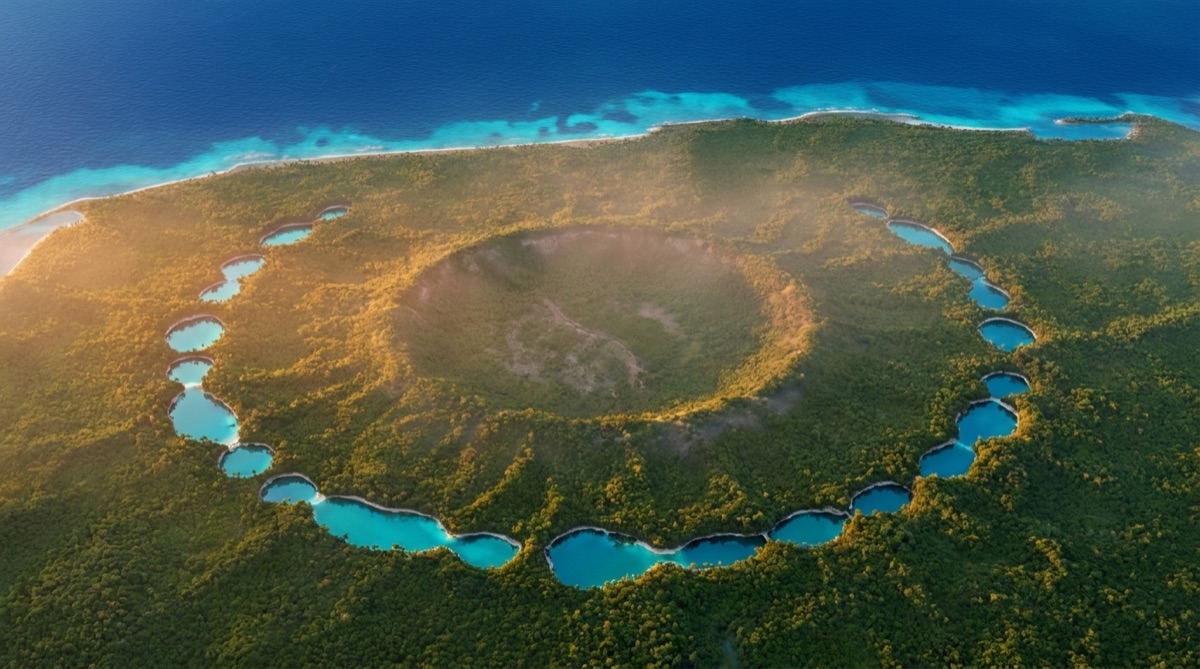
One clue came from the oil industry: in 1978 the geophysicist Glen Penfield, of Pemex, had detected in the north of the Yucatán Peninsula, Mexico, a buried circular structure that could not be linked to the impact until much later. Ocampo and the geologist Kevin Pope saw satellite images in which a chain of cenotes, natural freshwater sinkholes, traced a large semicircle near the town of Chicxulub. They understood that the cenotes line up there along the rim of a buried crater, where the rock fractured after the impact. In 1990 and 1991 they surveyed the ground and published in the journal Nature that Chicxulub was the site everyone had been looking for.
Today we know that the crater is about 180 kilometers across and that it was formed by an asteroid about ten kilometers in size. A review by the scientific community published in 2010 concluded that the impact was the main cause of the end-Cretaceous extinction. Ocampo has led several expeditions to the site.
Missions to other worlds
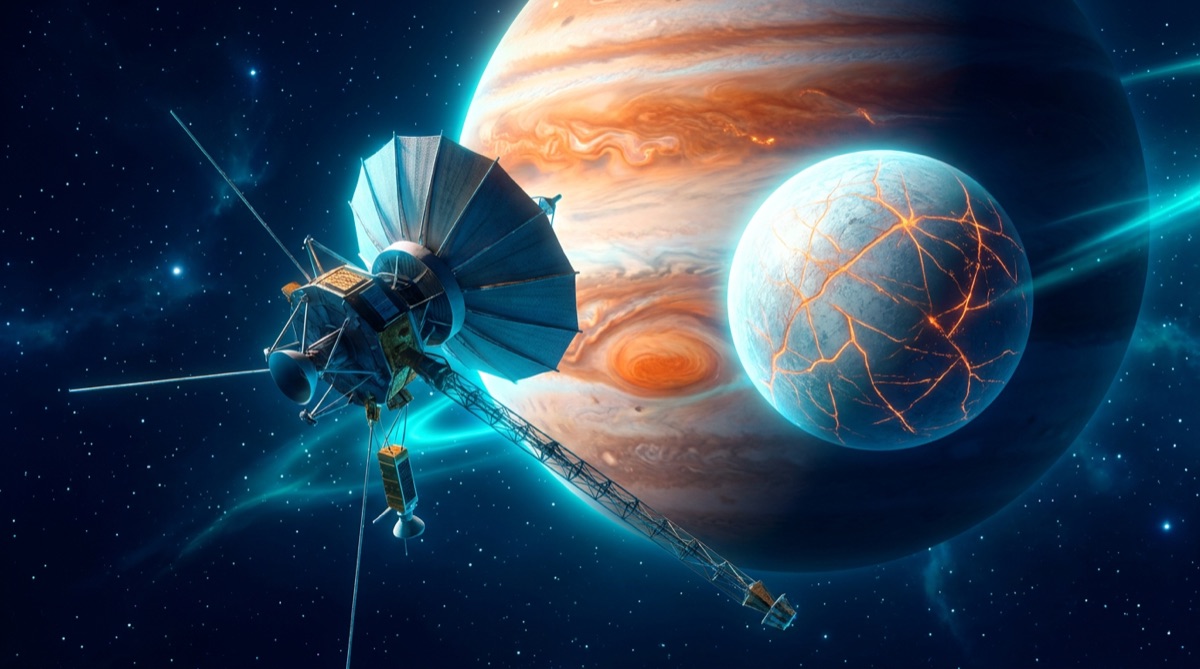
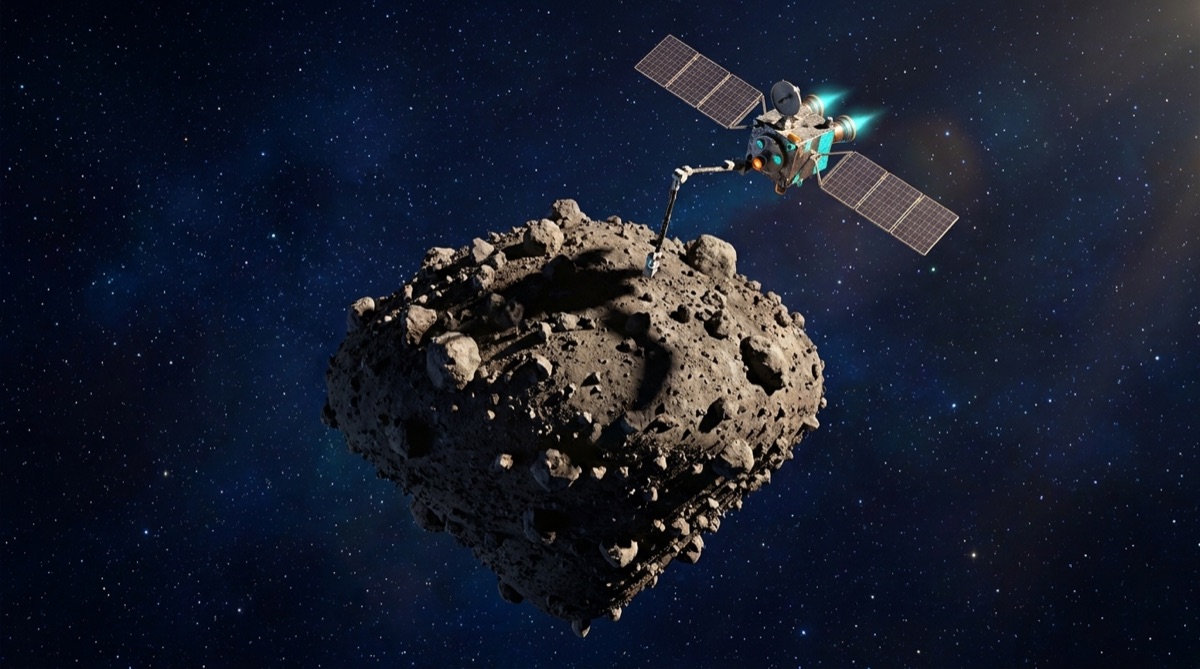
At NASA, Ocampo took part in the Galileo mission to Jupiter and its moons. She later moved to the agency’s science mission programs, including the New Frontiers program, which brings together missions such as New Horizons, Juno and OSIRIS-REx; the last of these brought back to Earth a sample of the asteroid Bennu. Her experience with impact craters helps her interpret those of the Moon, Mercury and Mars. A good introduction to the dynamics of those journeys is the Kepler Orbit simulator.
Her legacy
Her work shows that planetary science also helps us understand Earth: the same method used to study a crater on Mars made it possible to reconstruct one of the most important episodes in the history of our own planet.
The asteroid 177120 Ocampo Uría, discovered in 2003, bears her name. Ocampo has devoted a great deal of time to talking with young people, especially girls and Latin Americans, to show them that science and space exploration are for them too. She is one of the best-known Colombians in space exploration; her story can be placed alongside that of the astronomers of Colombia, in the chapter on Colombia, and that of the space age.