People of Astronomy
Ideas have names: the person who measured the Earth with a shadow, the one who first pointed a telescope at Jupiter, the one who discovered what stars are made of and the one who walked on the Moon. Here are their lives, their contributions and the traces they left on this portal.
Each profile tells the person's life, explains their major contribution with the rigor of a lesson (and at most one equation, put into words), and ends with their legacy: what remains of their work and where you can explore it on the portal, from a simulator to a constellation or a chapter of history. Authentic portraits carry their author, source and license; when no faithful image survives, we say so and show an artist's reconstruction.
There are astronomers from Greece, China, India, the Islamic world and Europe, pioneering women who opened doors at observatories that would not admit them, space explorers, and scientists from Colombia and Latin America. Many, many are still missing: this list will grow.
Explore
48 people
Timeline of their lives
Who lived at the same time as whom. Click a bar to open the profile; the filters above also narrow this timeline.
Antiquity
Aristarchus of Samos c. 310 BCE – 230 BCE Eratosthenes of Cyrene c. 276 BCE – 194 BCE Hipparchus of Nicaea c. 190 BCE – 120 BCE Zhang Heng 78 – 139 Claudius Ptolemy c. 100 – 170 Hypatia of Alexandria c. 355 – 415Middle Ages
Aryabhata 476 – 550 al-Battani c. 858 – 929 Abd al-Rahman al-Sufi 903 – 986 Ibn al-Haytham (Alhazen) c. 965 – 1040 Nasir al-Din al-Tusi 1201 – 1274 Ulugh Beg 1394 – 1449Scientific Revolution
Nicolaus Copernicus 1473 – 1543 Tycho Brahe 1546 – 1601 Galileo Galilei 1564 – 1642 Johannes Kepler 1571 – 1630 Christiaan Huygens 1629 – 1695 Isaac Newton 1642 – 1727 Edmond Halley 1656 – 174218th and 19th centuries
Charles Messier 1730 – 1817 José Celestino Mutis 1732 – 1808 William Herschel 1738 – 1822 Caroline Herschel 1750 – 1848 Francisco José de Caldas 1768 – 1816 Maria Mitchell 1818 – 188920th century
Annie Jump Cannon 1863 – 1941 Julio Garavito Armero 1865 – 1920 Henrietta Swan Leavitt 1868 – 1921 Albert Einstein 1879 – 1955 Belisario Ruiz Wilches c. 1880 – 1958 Edwin Powell Hubble 1889 – 1953 Georges Lemaître 1894 – 1966 Cecilia Payne-Gaposchkin 1900 – 1979 Clyde Tombaugh 1906 – 1997 Subrahmanyan Chandrasekhar 1910 – 1995 Guillermo Haro 1913 – 1988 Katherine Johnson 1918 – 2020 Vera Rubin 1928 – 2016 Neil Armstrong 1930 – 2012 Carl Sagan 1934 – 1996 Yuri Gagarin 1934 – 1968 Valentina Tereshkova 1937 – todayToday
Stephen Hawking 1942 – 2018 Jocelyn Bell Burnell 1943 – today María Teresa Ruiz 1946 – today Franklin Chang-Díaz 1950 – today Adriana Ocampo 1955 – today Andrea Ghez 1965 – today AntiquityMiddle AgesScientific Revolution18th and 19th centuries20th centuryToday
Band: from birth to death (faded: still alive). Piecewise non-linear scale (dashed line = change of scale):
350 BCE – 1400: 1.1 % per century · 1400 – 1800: 7.5 % per century · 1800 – 2030: 21.7 % per century.
No person matches the filters.
The people, one by one
-
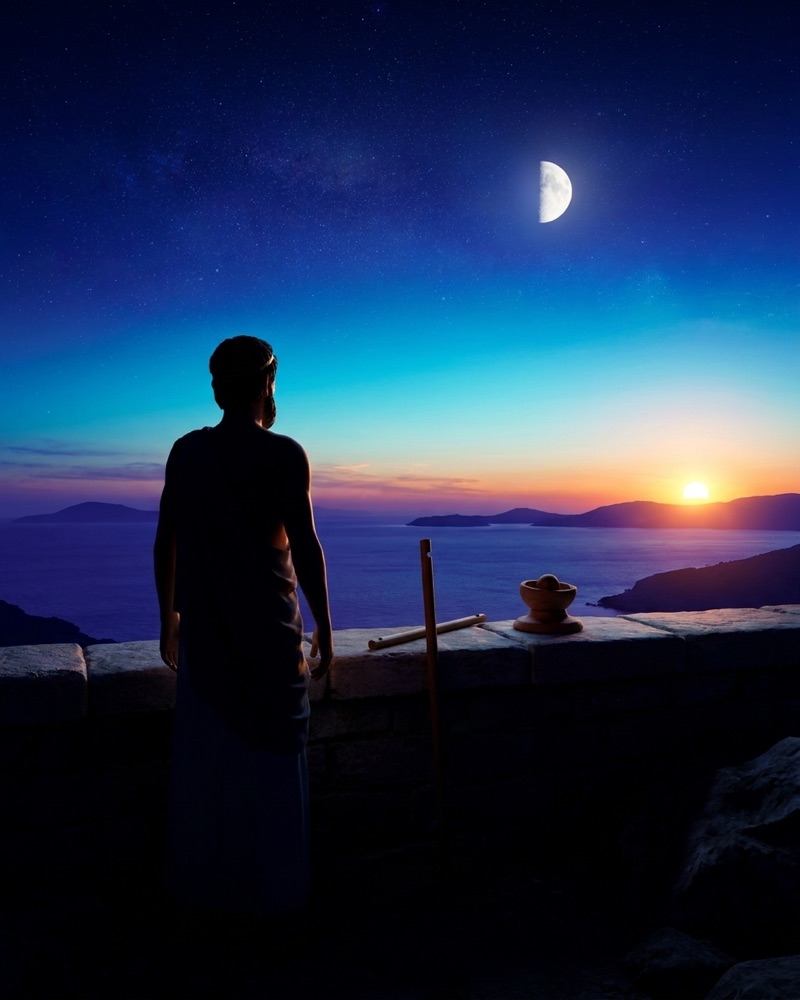
Aristarchus of Samos
c. 310 BCE – c. 230 BCE
Hellenistic Greece
He used geometry to measure how many times farther away the Sun is than the Moon and, according to Archimedes, proposed that Earth revolves around the Sun eighteen centuries before Copernicus.
Celestial mechanicsMathematicsObservation and instruments
-
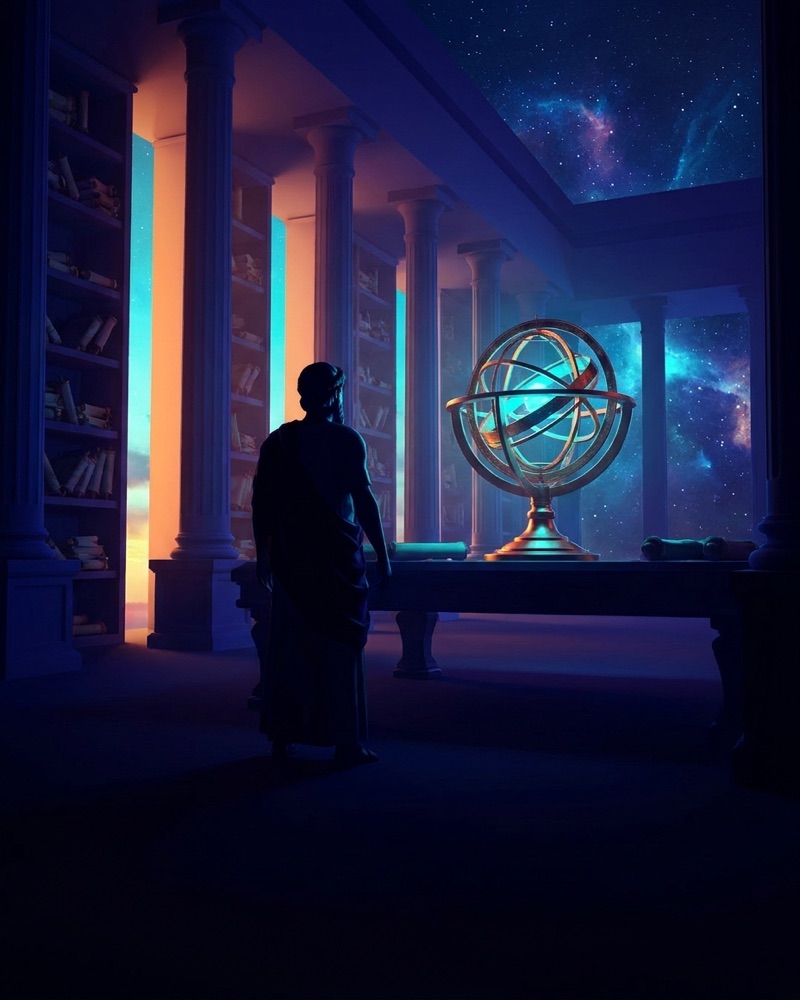
Eratosthenes of Cyrene
c. 276 BCE – c. 194 BCE
Hellenistic Greece
Head of the Library of Alexandria, he measured the circumference of the Earth by comparing shadows in two cities and founded mathematical geography.
MathematicsObservation and instrumentsCalendars and navigation
-
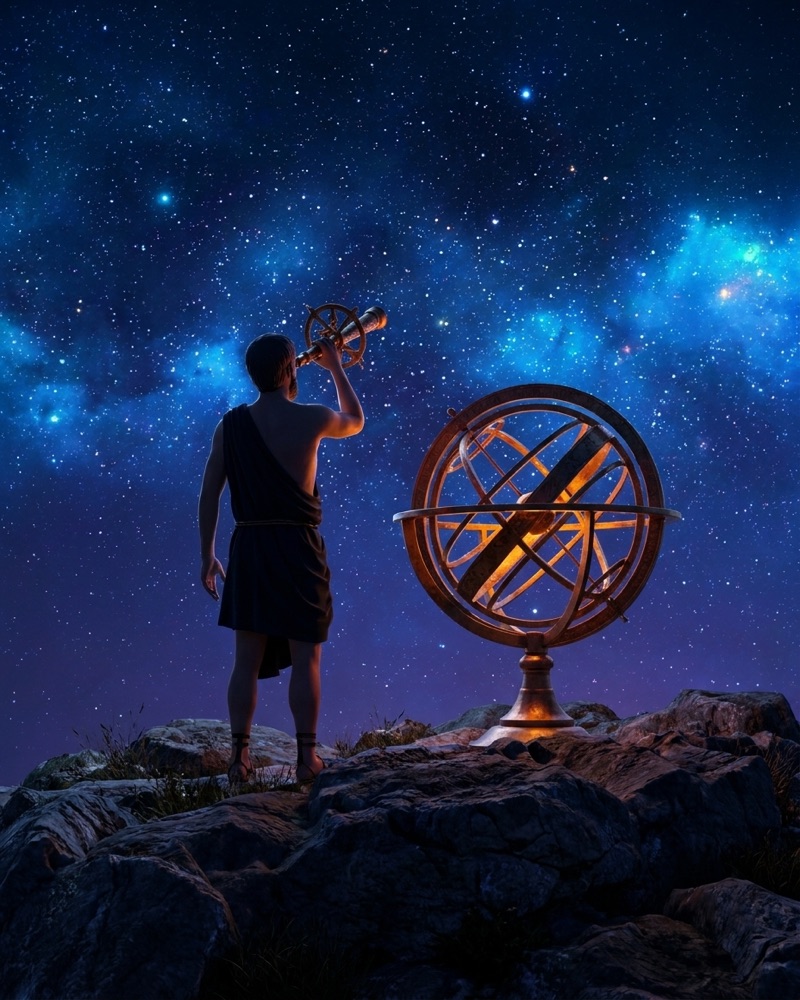
Hipparchus of Nicaea
c. 190 BCE – c. 120 BCE
Hellenistic Greece
The greatest observer of antiquity: he discovered the precession of the equinoxes, cataloged some 850 stars and created trigonometry to compute the sky.
Observation and instrumentsMathematicsCelestial mechanics
-
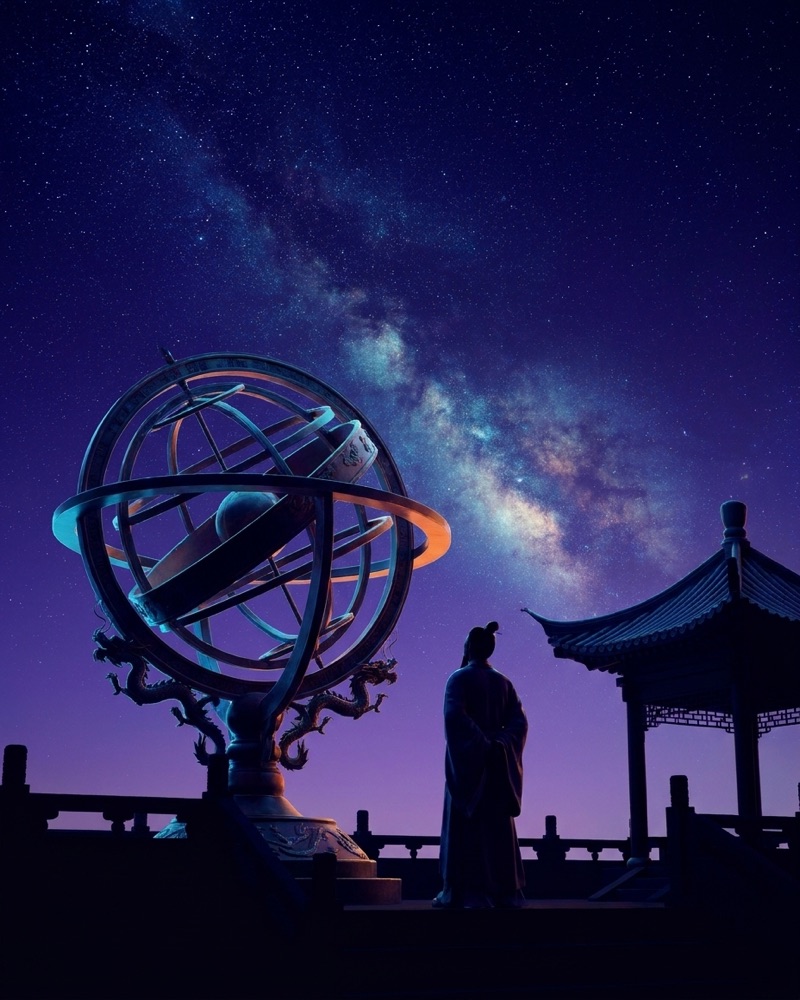
Zhang Heng
78 – 139
China (Han dynasty)
Imperial astronomer of the Han dynasty: he built a water-driven armillary sphere, explained the light of the Moon and eclipses, and presented the first known seismoscope.
Observation and instrumentsCosmologyMathematics
-
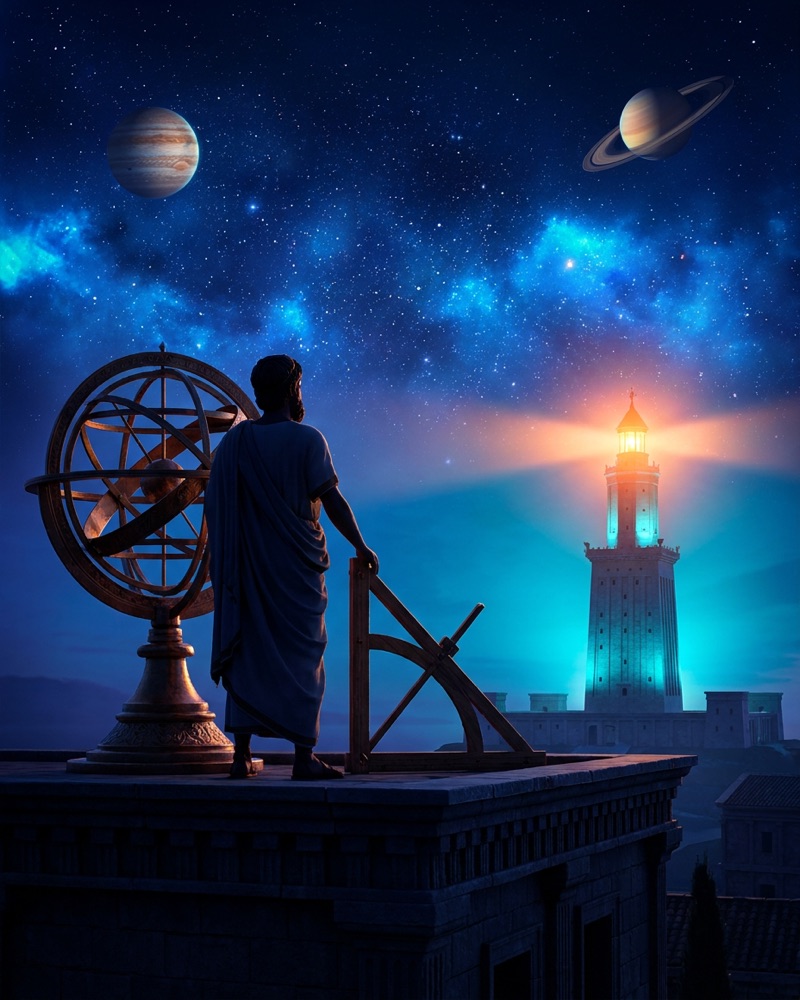
Claudius Ptolemy
c. 100 – c. 170
Roman Egypt (Alexandria)
Author of the “Almagest”, the treatise that gathered all of Greek astronomy into a mathematical model able to predict the sky, and which was the reference for fourteen centuries.
Celestial mechanicsMathematicsObservation and instruments
-
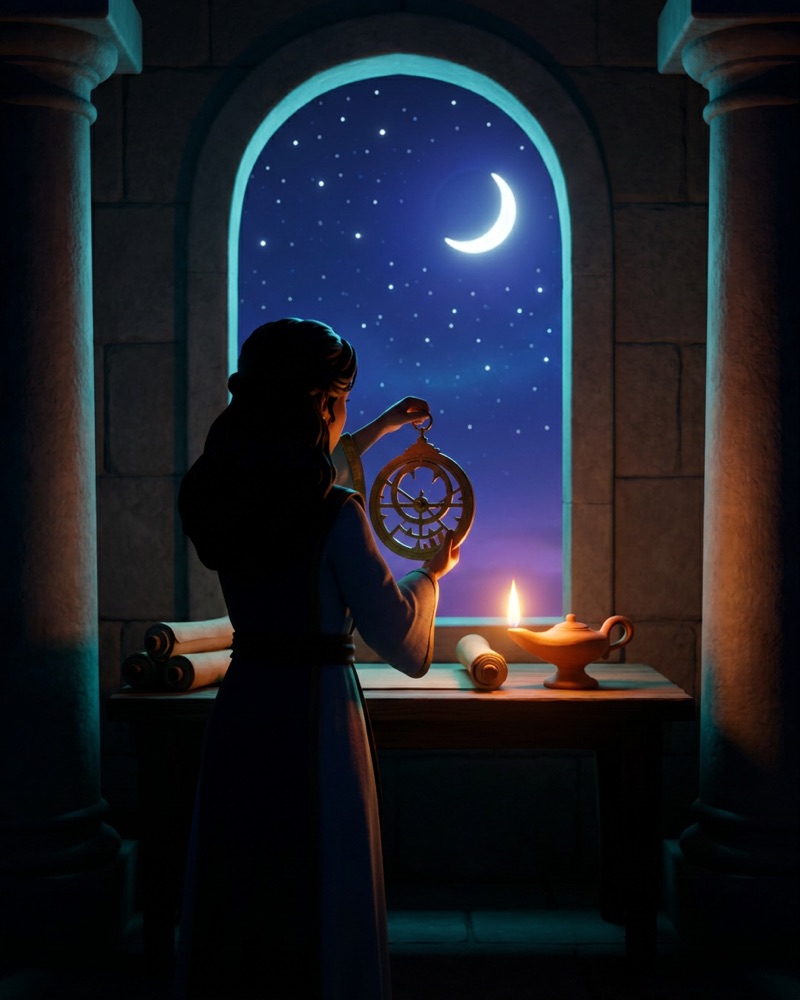
Hypatia of Alexandria
c. 355 – 415
Roman Egypt (Alexandria)
Mathematician, astronomer and philosopher, the most respected teacher of late Alexandria: she revised the “Almagest”, taught how to build astrolabes and was murdered in 415.
MathematicsObservation and instrumentsScience communication
-
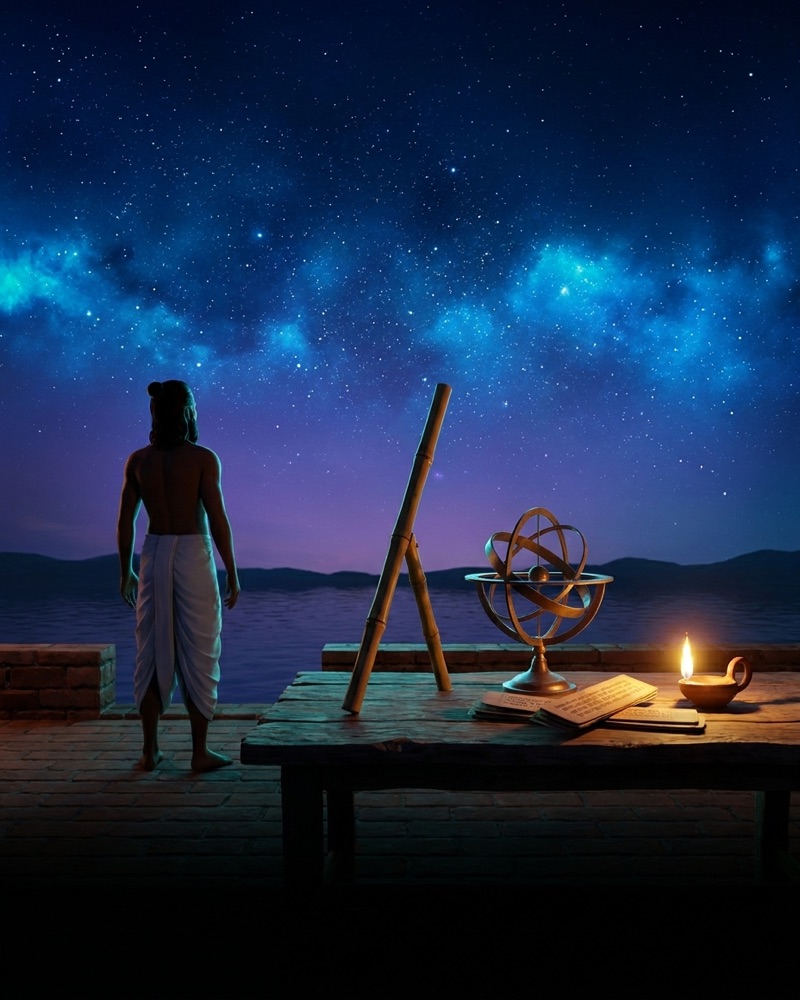
Aryabhata
476 – c. 550
India (Gupta Empire)
At 23 he wrote in verse the “Aryabhatiya”, the treatise that states that Earth rotates on its axis, explains eclipses as shadows and gives π to four decimal places.
MathematicsCelestial mechanicsCalendars and navigation
-
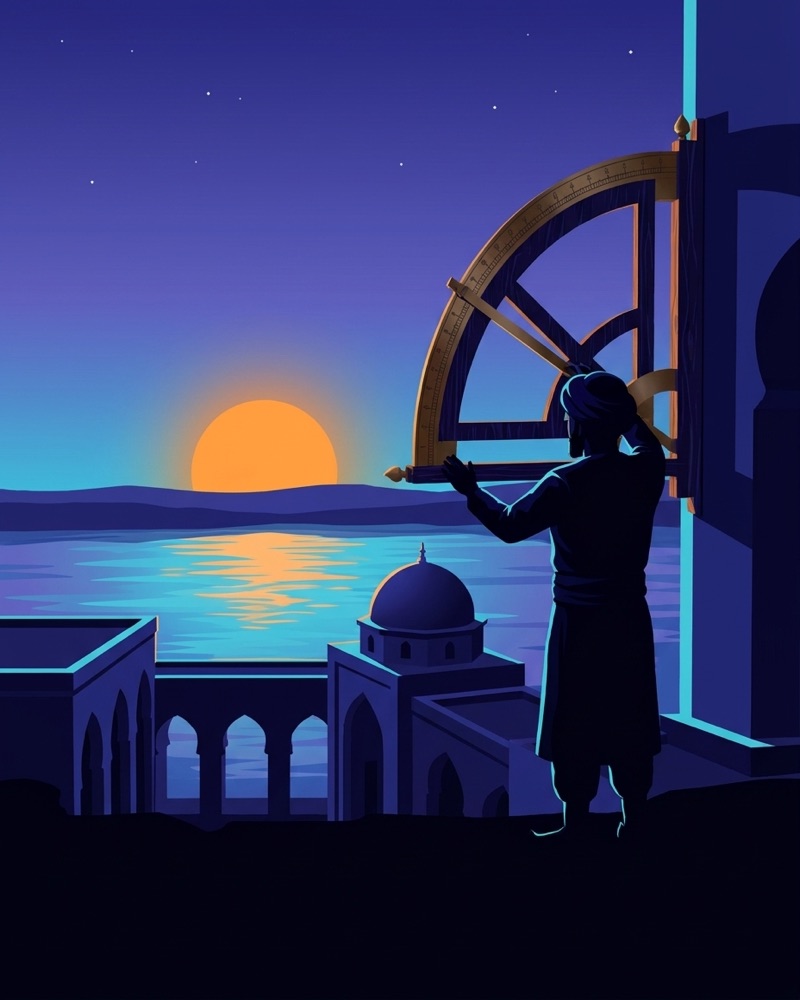
al-Battani
c. 858 – 929
Abbasid Caliphate (Syria and Mesopotamia)
For forty years he observed the sky from Raqqa: he measured the year, precession and the obliquity of the ecliptic with a precision that Copernicus was still citing six centuries later.
Observation and instrumentsMathematicsCelestial mechanics
-
Abd al-Rahman al-Sufi
903 – 986
Persia (Buyid dynasty)
He checked the stars of the “Almagest” with his own eyes, corrected brightnesses and positions, and left the earliest surviving description of the Andromeda Galaxy.
Observation and instrumentsScience communication
-
Ibn al-Haytham (Alhazen)
c. 965 – c. 1040
Fatimid Caliphate (Egypt) and Basra
He proved with experiments that we see because light enters the eye, and applied that rigor to astronomy: he criticized the “Almagest” and demanded that models of the heavens be physically possible.
Observation and instrumentsMathematicsCelestial mechanics
-
Nasir al-Din al-Tusi
1201 – 1274
Persia and Mesopotamia
He directed the Maragha observatory, turned spherical trigonometry into a discipline of its own and invented a geometric device, the “Tusi couple”, that reappeared in Copernicus.
Observation and instrumentsMathematicsCelestial mechanics
-
Ulugh Beg
1394 – 1449
Timurid Empire (Central Asia)
Prince and ruler of Samarkand, he built an observatory with a giant sextant and published in 1437 the most accurate star catalog since Ptolemy.
Observation and instrumentsMathematics
-
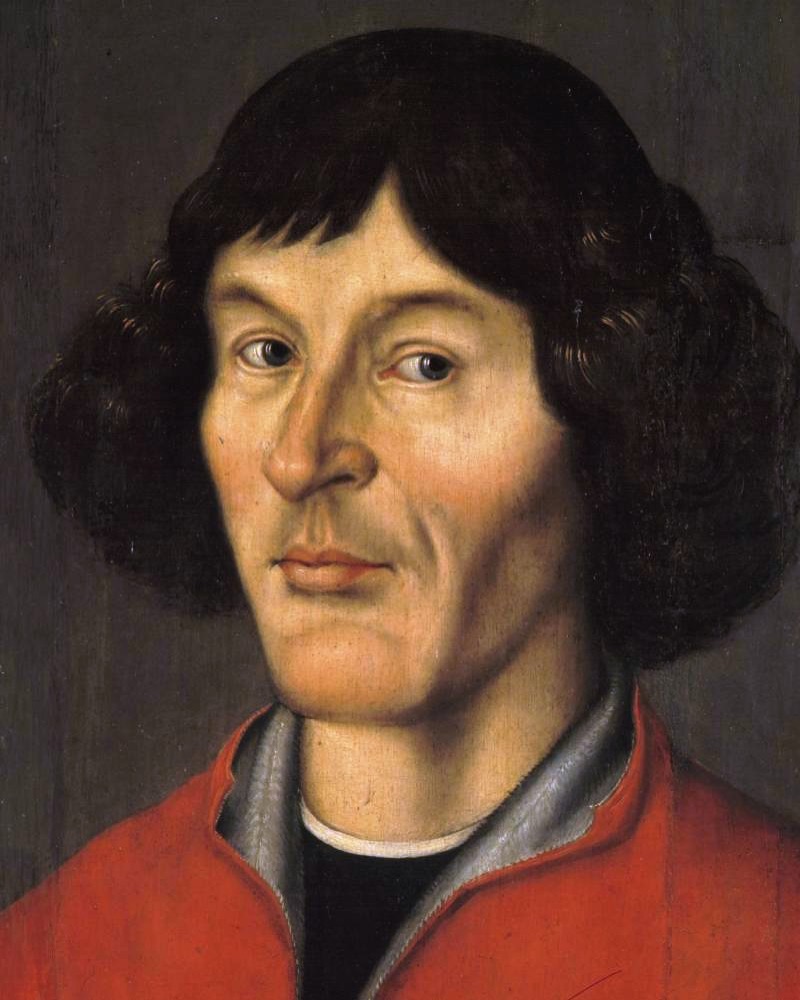
Nicolaus Copernicus
1473 – 1543
Poland
Canon and astronomer who put the Sun at the center and set the Earth in motion: his “De revolutionibus” (1543) fixed for the first time the order and relative size of the planetary orbits.
Celestial mechanicsMathematics
-
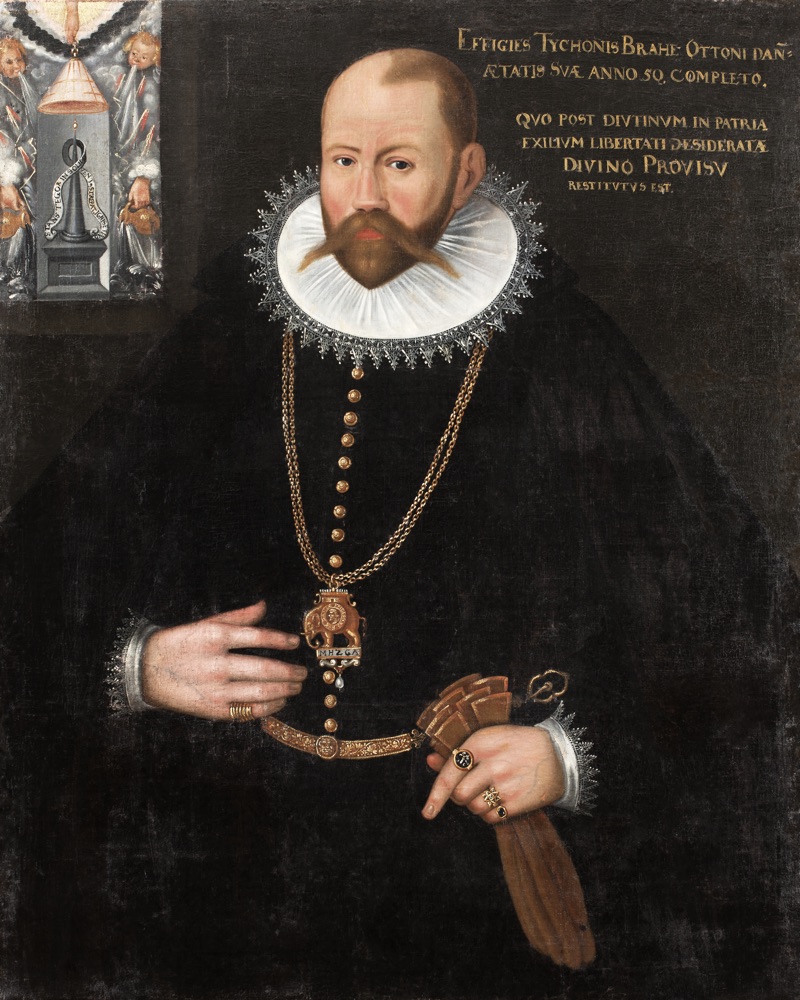
Tycho Brahe
1546 – 1601
Denmark
The finest observer before the telescope: he showed that the sky changes with the “new star” of 1572 and gathered at Uraniborg twenty years of planetary positions accurate to one arcminute.
Observation and instruments
-
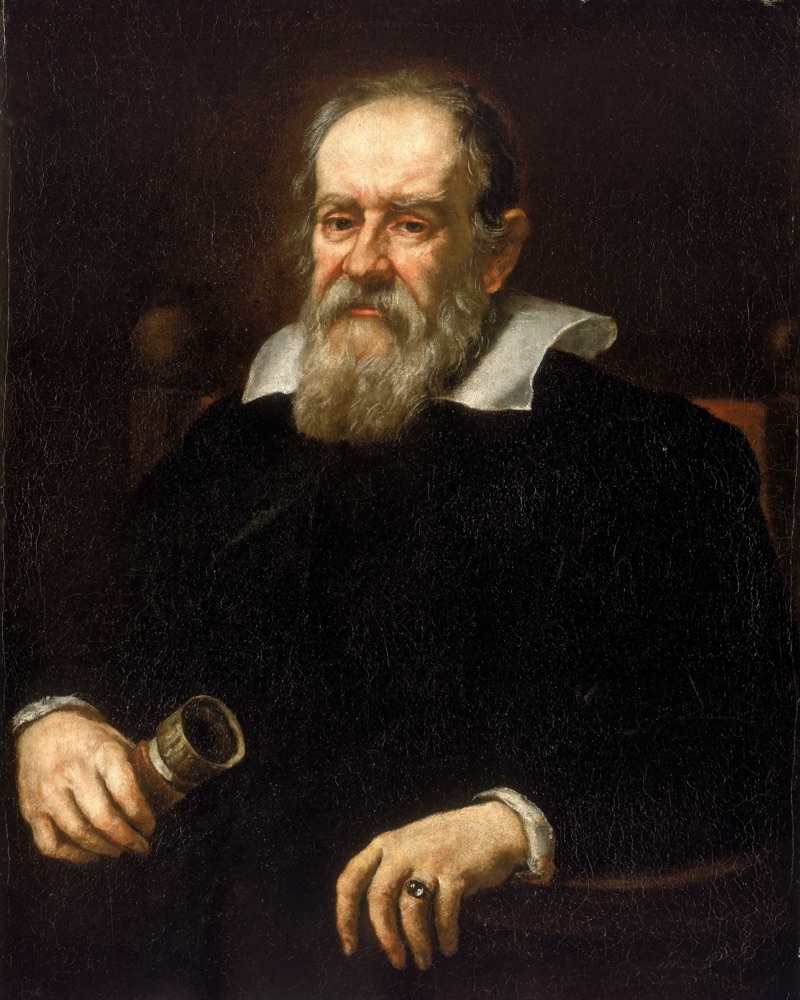
Galileo Galilei
1564 – 1642
Italy
He pointed a telescope at the sky in 1609 and saw mountains on the Moon, moons around Jupiter and phases of Venus: evidence for Copernicus's model that cost him a trial before the Inquisition.
Observation and instrumentsCelestial mechanics
-
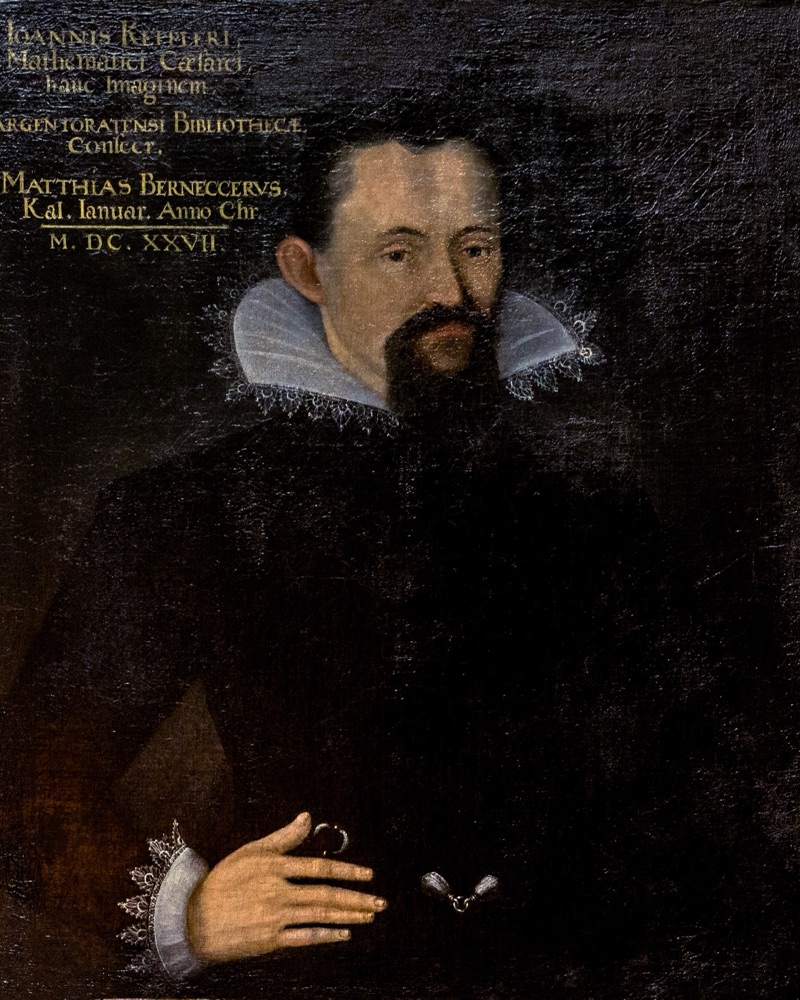
Johannes Kepler
1571 – 1630
Germany
He discovered that the planets travel in ellipses with the Sun at one focus, that they sweep out equal areas in equal times, and that the square of the period is proportional to the cube of the distance: the three laws that bear his name.
Celestial mechanicsMathematicsObservation and instruments
-
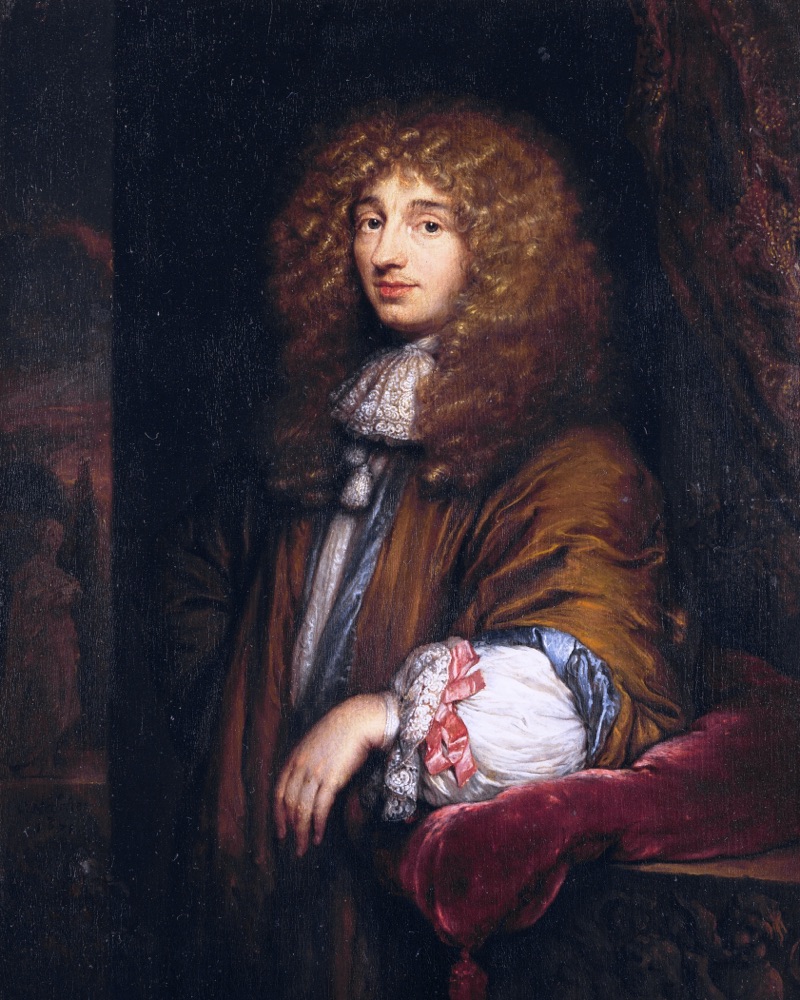
Christiaan Huygens
1629 – 1695
Netherlands
He discovered Titan, explained Saturn's ring and built the first pendulum clock, which brought timekeeping to a precision never seen before and made it possible to time the sky.
Observation and instrumentsCelestial mechanicsMathematics
-
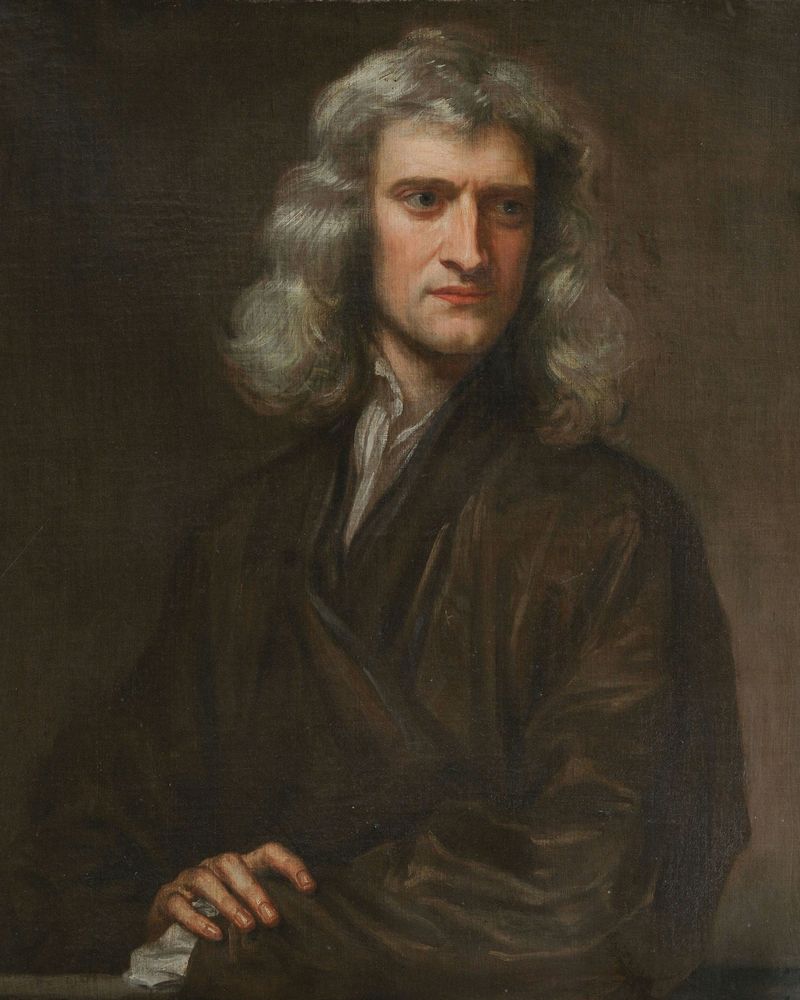
Isaac Newton
1642 – 1727
England
With a single law of gravitation he explained the fall of an apple, the orbits of the planets, the tides and the comets. His “Principia” (1687) united the heavens and the Earth under the same laws.
Celestial mechanicsMathematicsObservation and instruments
-
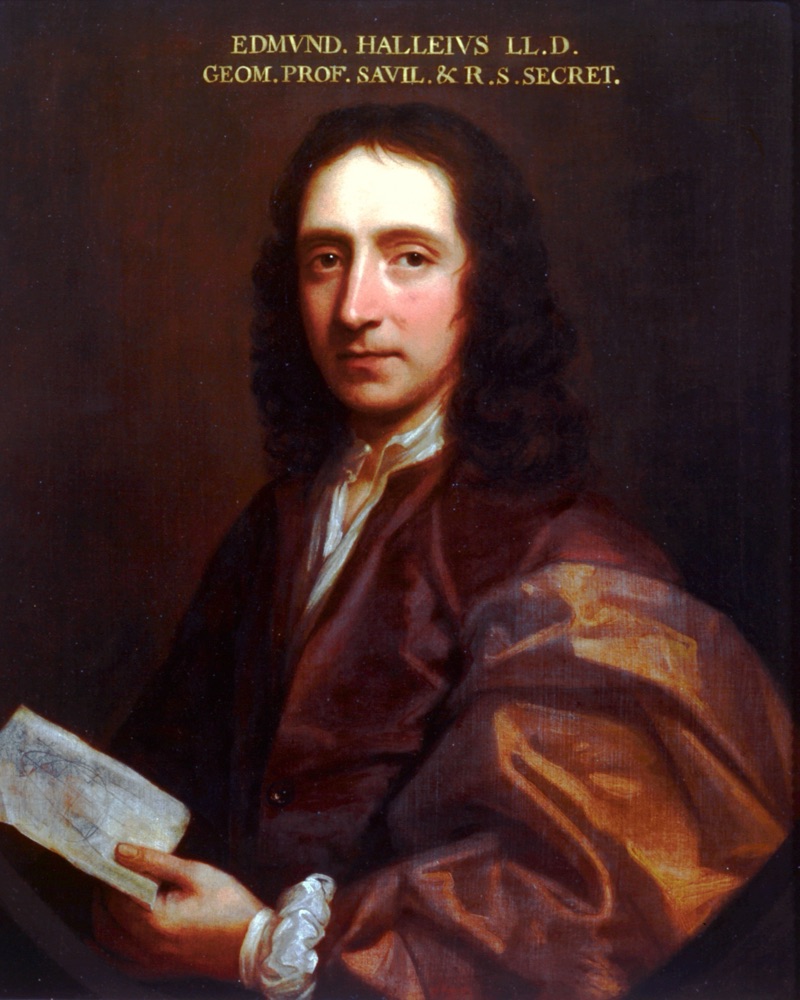
Edmond Halley
1656 – 1742
England
He pushed for and paid for Newton's “Principia”, cataloged the southern sky and discovered that the comets of 1531, 1607 and 1682 were the same body, whose return he predicted for 1758.
Observation and instrumentsCelestial mechanics
-
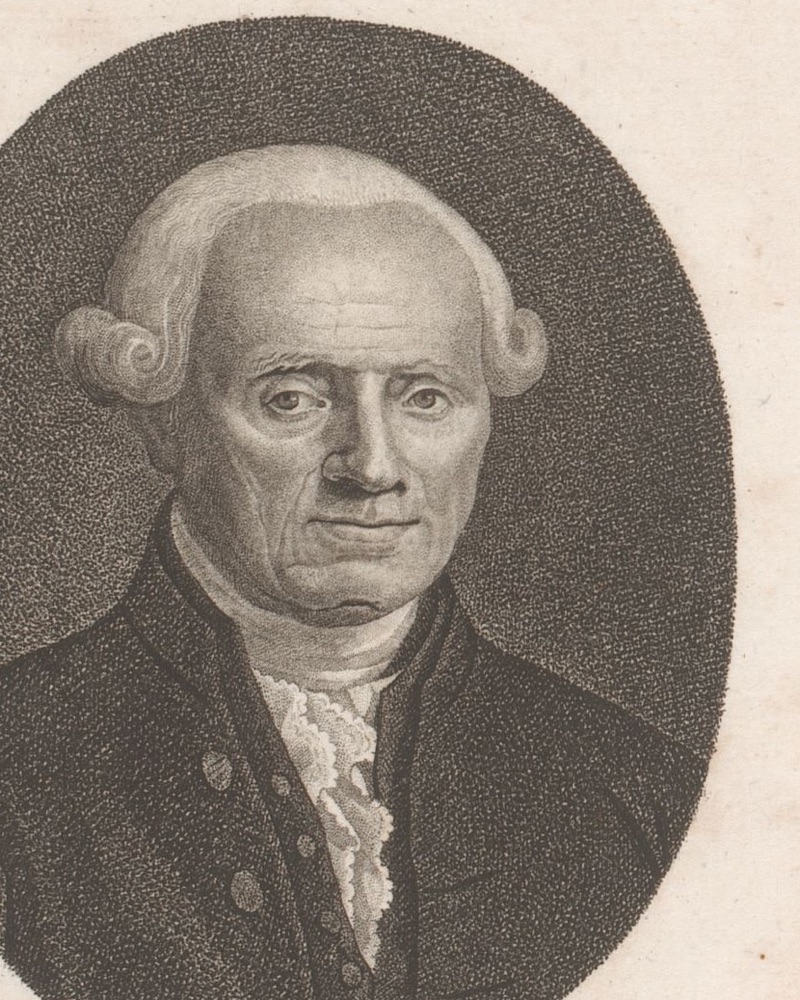
Charles Messier
1730 – 1817
France
A comet hunter in Paris, he noted the fuzzy patches that could be mistaken for one. His list, from the Crab Nebula to the Andromeda Galaxy, is today the favorite catalog of amateur astronomers.
Observation and instruments
-
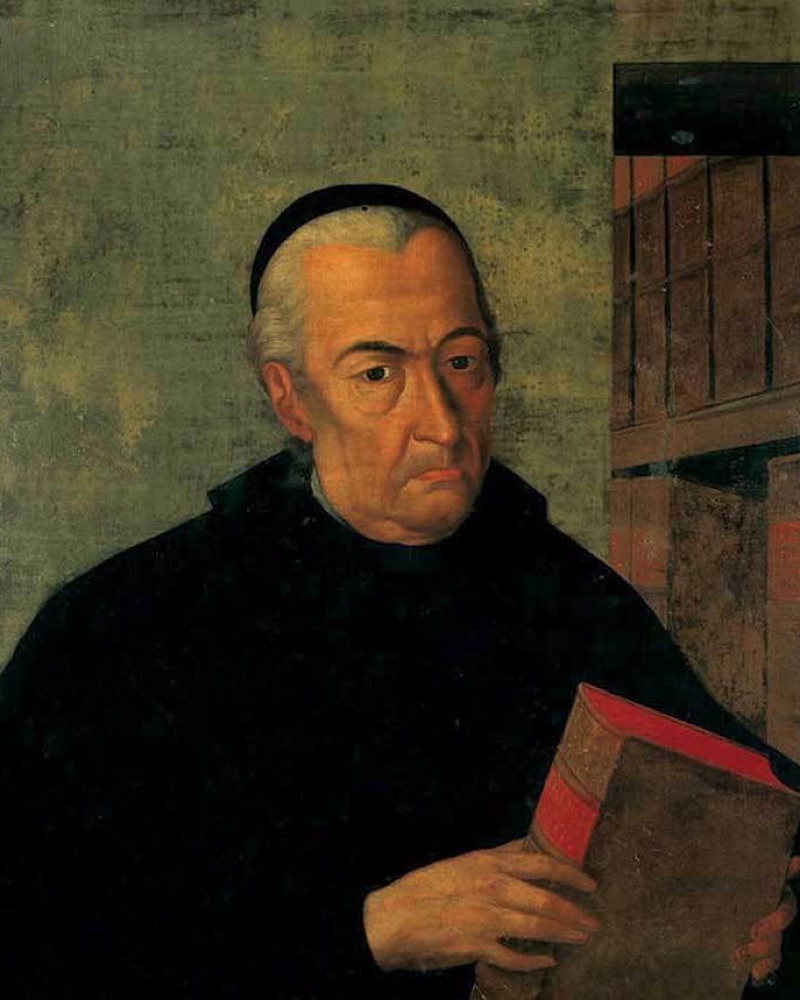
José Celestino Mutis
1732 – 1808
Colombia
Physician and botanist from Cádiz who taught Copernicus and Newton in Santafé, directed the Royal Botanical Expedition and promoted the Astronomical Observatory of Bogotá, the first in the Americas.
Observation and instrumentsScience communication
-
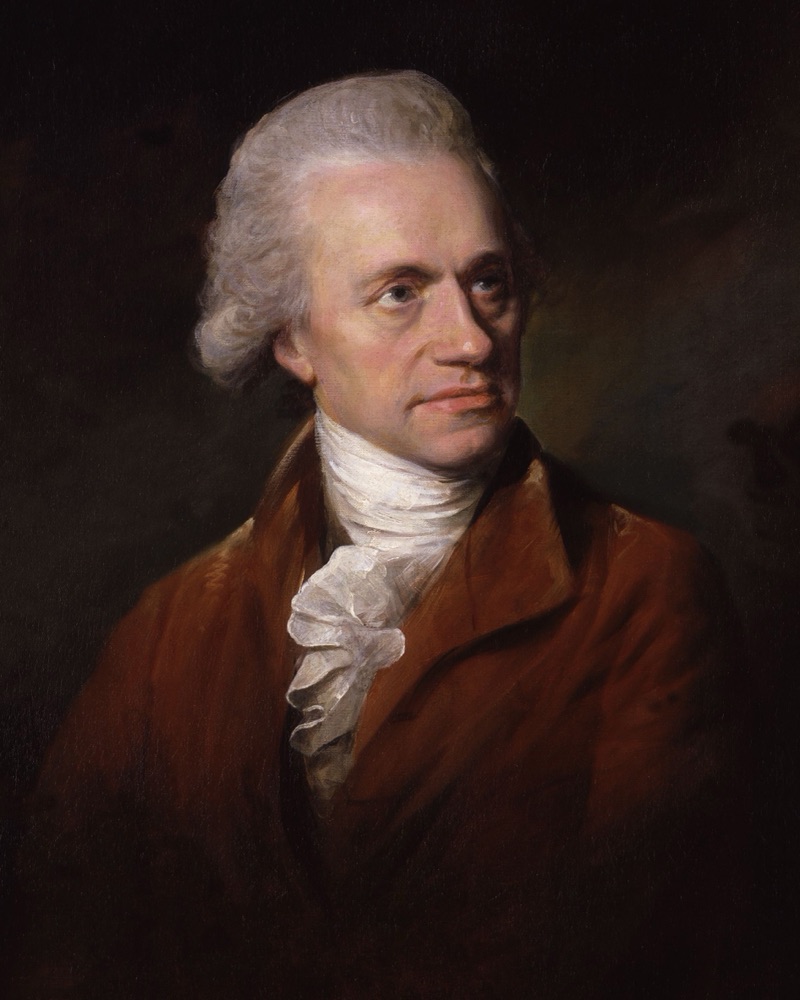
William Herschel
1738 – 1822
Germany and England
A musician who became an astronomer: he built the best telescopes of his time, discovered Uranus in 1781, measured the shape of the Galaxy and found the Sun's infrared radiation.
Observation and instrumentsAstrophysics
-
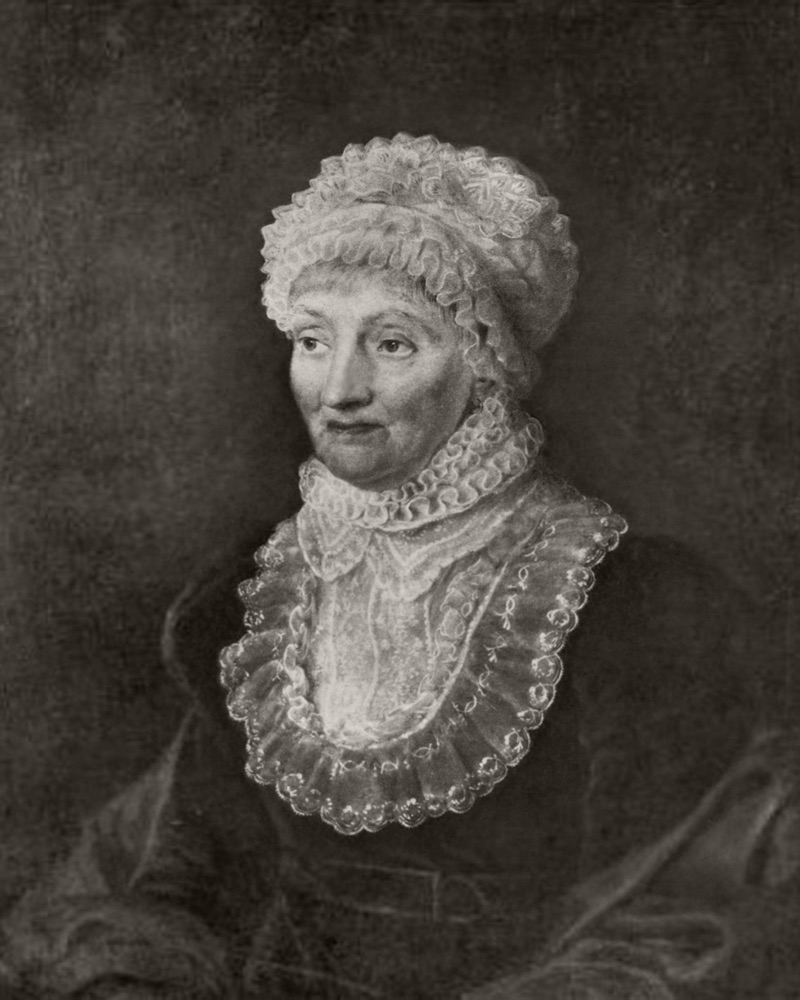
Caroline Herschel
1750 – 1848
Germany and England
Sister and collaborator of William Herschel. She discovered eight comets, was the first woman paid as an astronomer in England and organized the catalogs that opened up the study of nebulae.
Observation and instruments
-
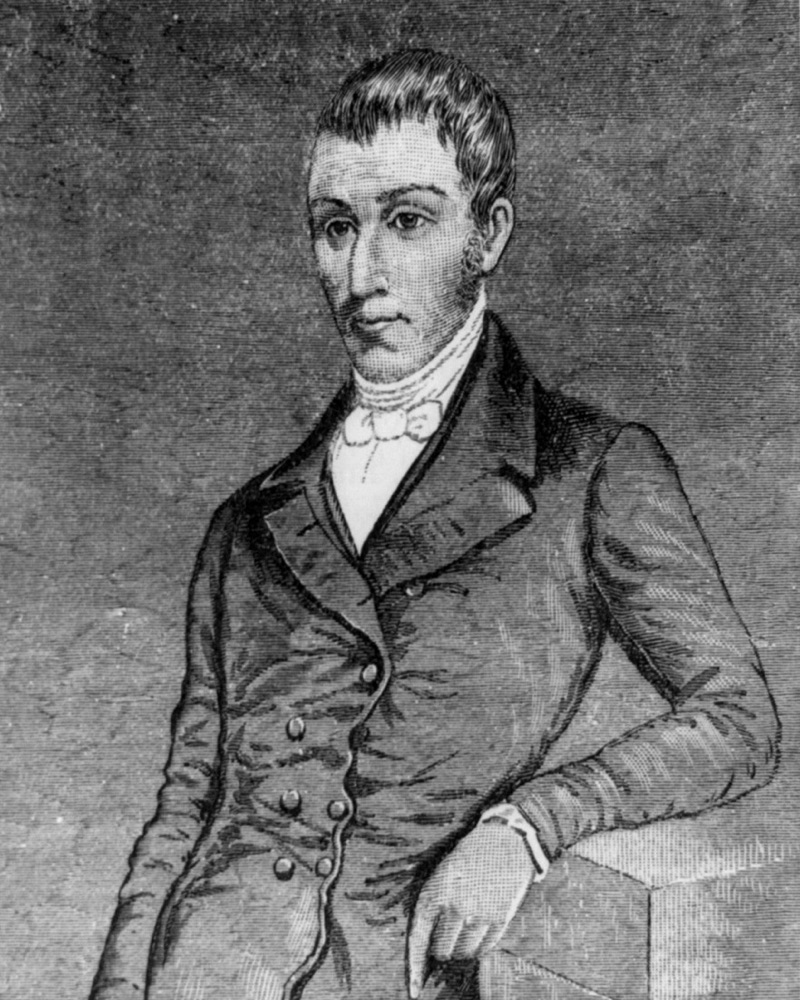
Francisco José de Caldas
1768 – 1816
Colombia
A self-taught scholar from Popayán who invented a method for measuring altitude with a thermometer, directed the Astronomical Observatory of Santafé and founded Colombia's first scientific journal. He was executed by firing squad in 1816.
Observation and instrumentsScience communication
-
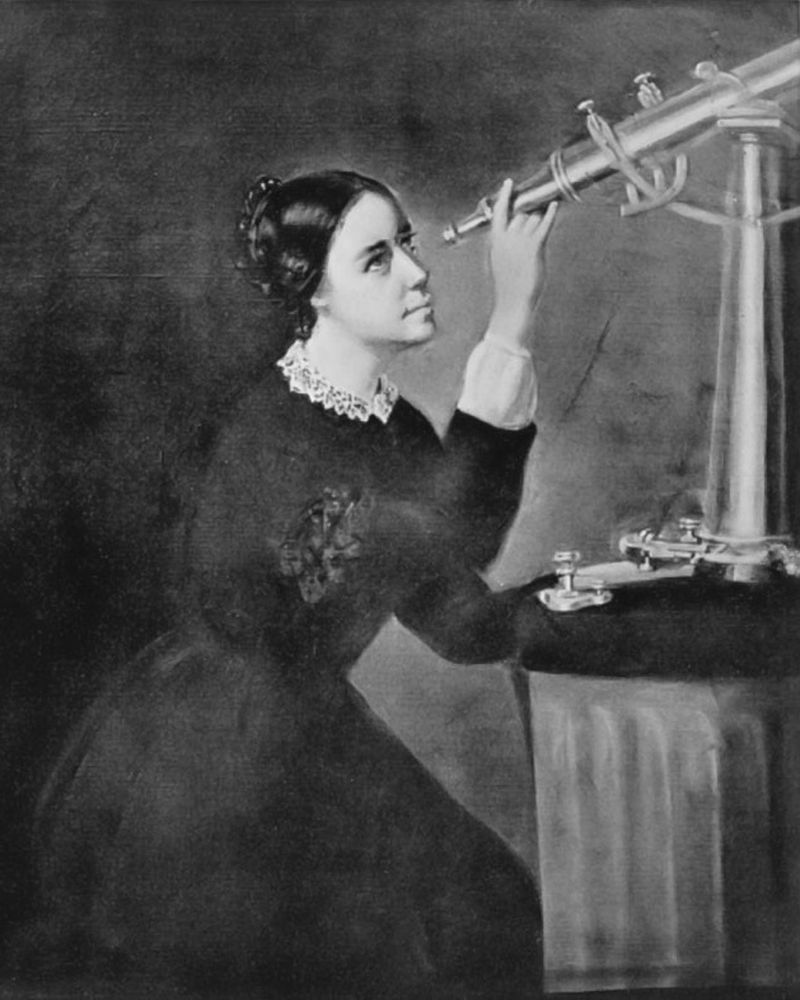
Maria Mitchell
1818 – 1889
United States
She discovered a comet with a small telescope from the roof of a bank in 1847 and was the first professor of astronomy at Vassar College, opening science to women.
Observation and instrumentsScience communication
-
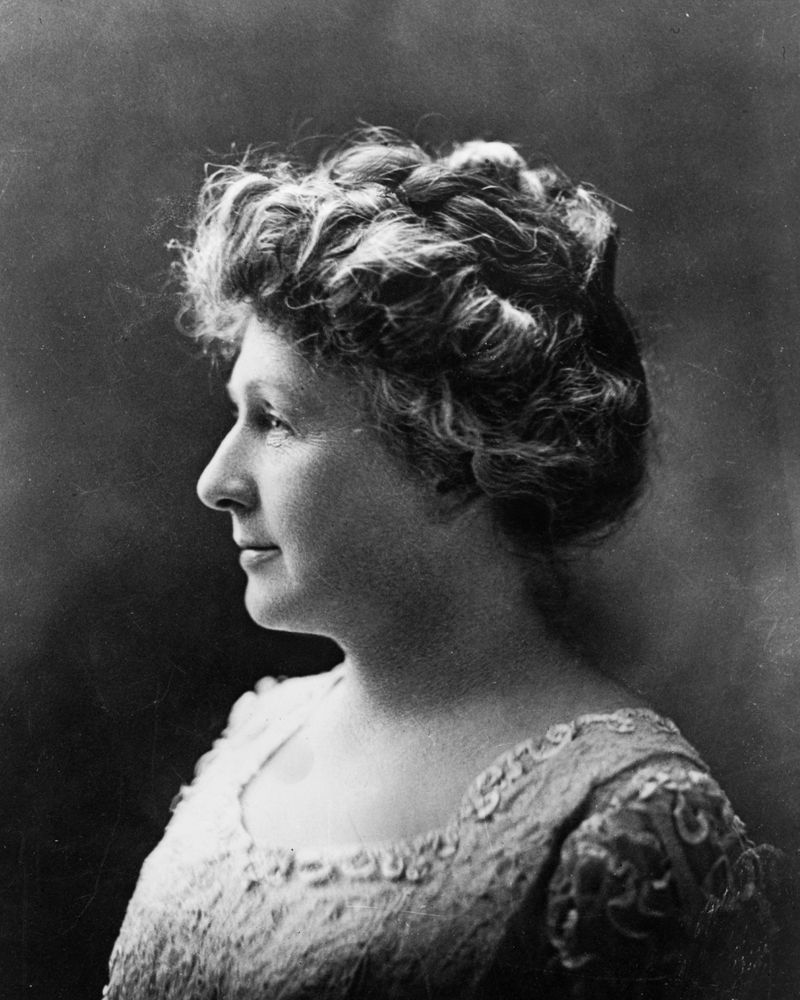
Annie Jump Cannon
1863 – 1941
United States
She classified hundreds of thousands of stars by their spectra at the Harvard Observatory and left the sequence O B A F G K M that astronomers still use.
AstrophysicsObservation and instruments
-
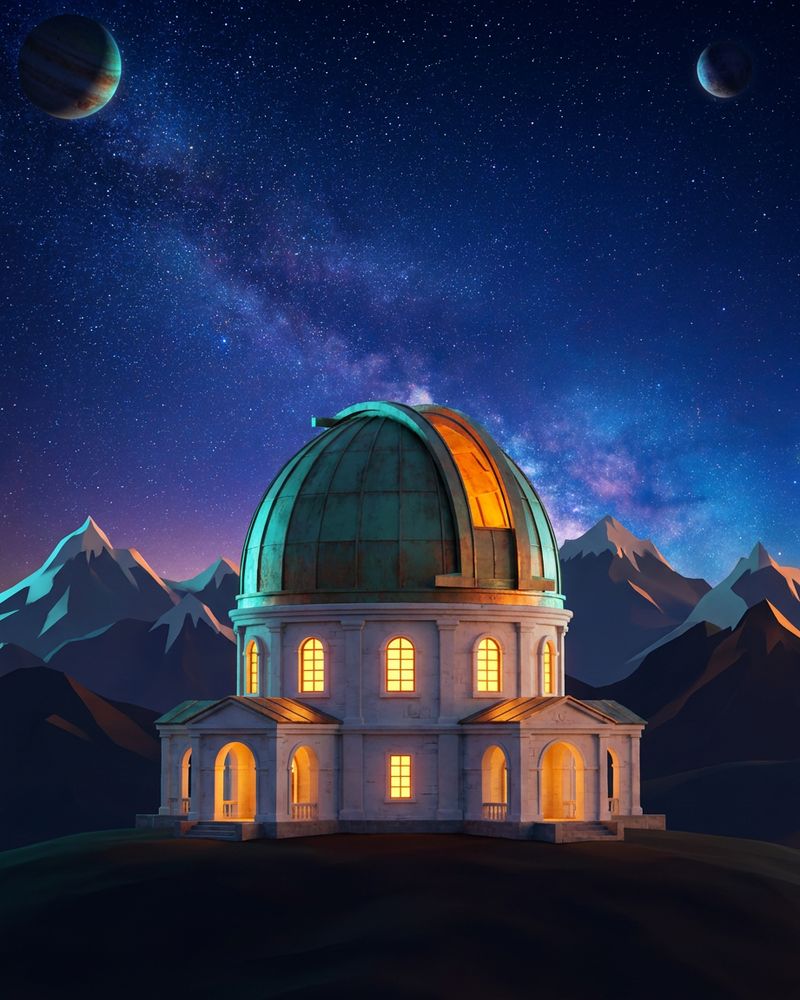
Julio Garavito Armero
1865 – 1920
Colombia
Director of the National Astronomical Observatory in Bogotá for 27 years, he computed the orbit of the comet of 1901, led the expedition to the eclipse of 1916 and worked on a theory of the motion of the Moon.
Observation and instrumentsCelestial mechanics
-
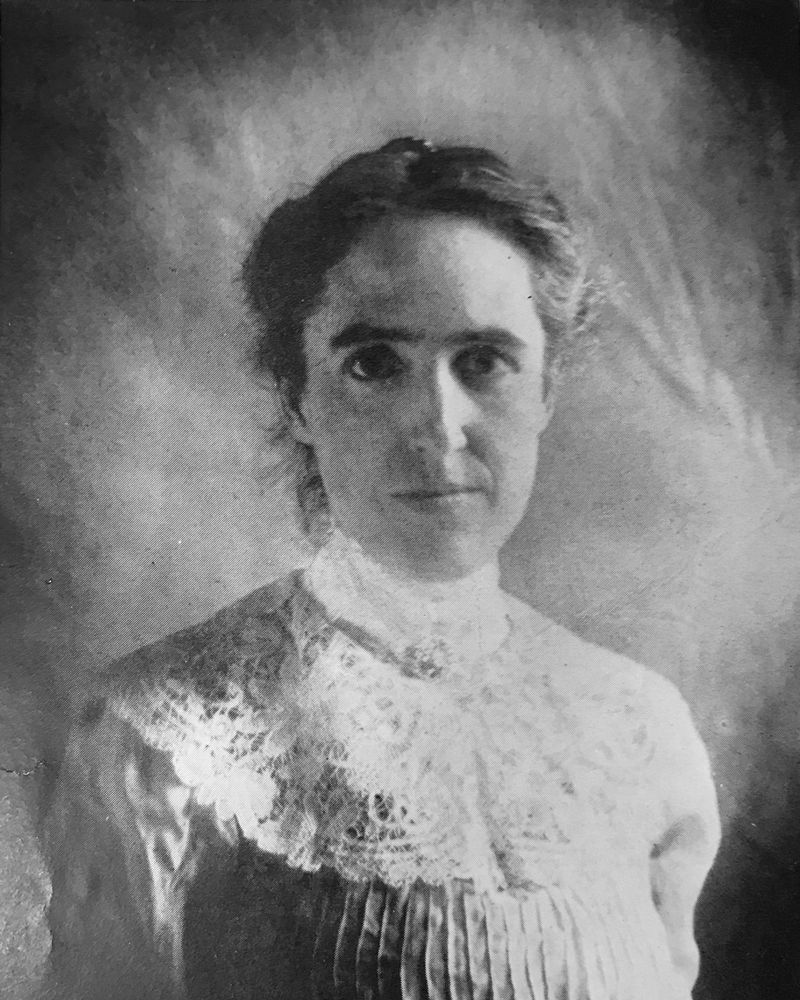
Henrietta Swan Leavitt
1868 – 1921
United States
She discovered on the Harvard plates that the brightest Cepheids pulsate more slowly: the relation that made it possible to measure the distances to other galaxies and to discover an expanding universe.
AstrophysicsCosmology
-
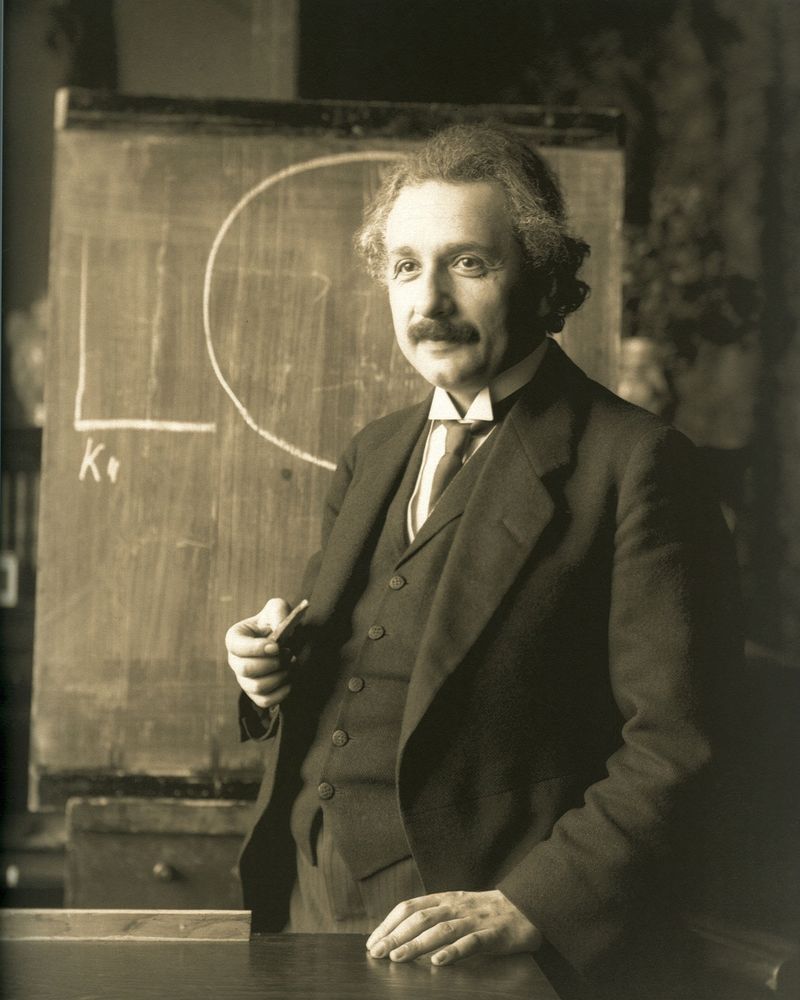
Albert Einstein
1879 – 1955
Germany and the United States
With general relativity (1915) he explained gravity as the curvature of spacetime; the 1919 eclipse confirmed that light is deflected, and his equations opened up modern cosmology.
CosmologyAstrophysics
-
Belisario Ruiz Wilches
c. 1880 – 1958
Colombia
Colombian engineer and astronomer, pupil of Julio Garavito: he founded the Geographic Institute (1935), directed the National Astronomical Observatory and was the first rector of Jorge Tadeo Lozano University.
Observation and instrumentsCalendars and navigation
-
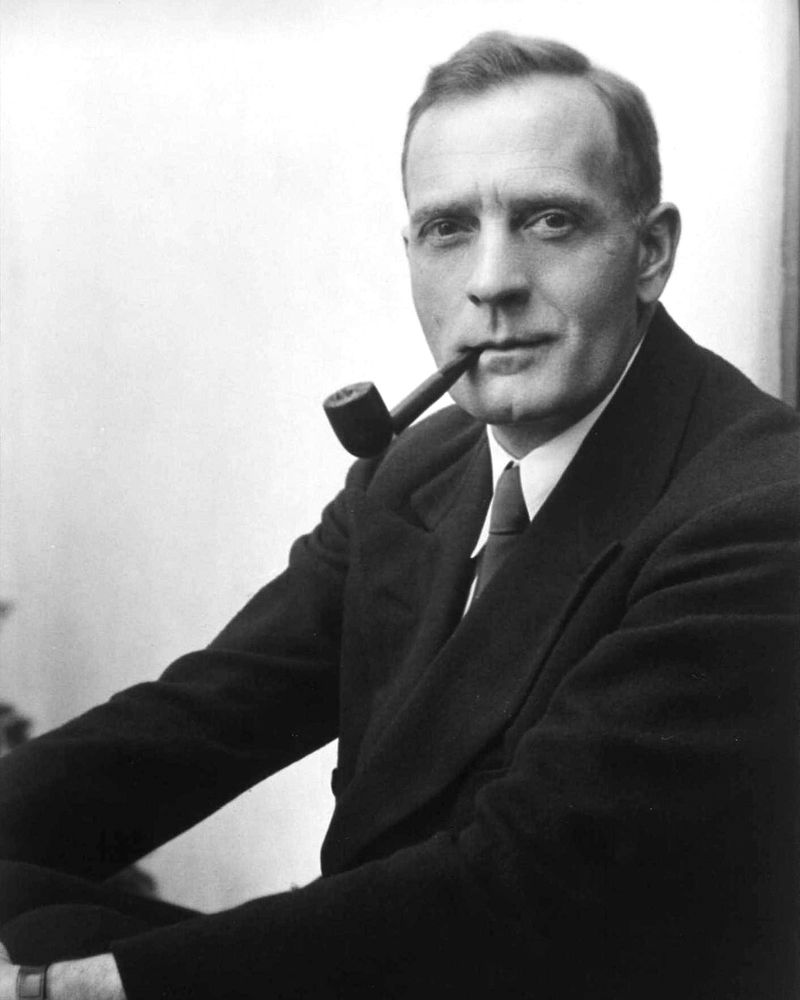
Edwin Powell Hubble
1889 – 1953
United States
He proved in 1924 that Andromeda is an independent galaxy and in 1929 showed that galaxies recede from us with velocities proportional to their distance.
CosmologyObservation and instruments
-
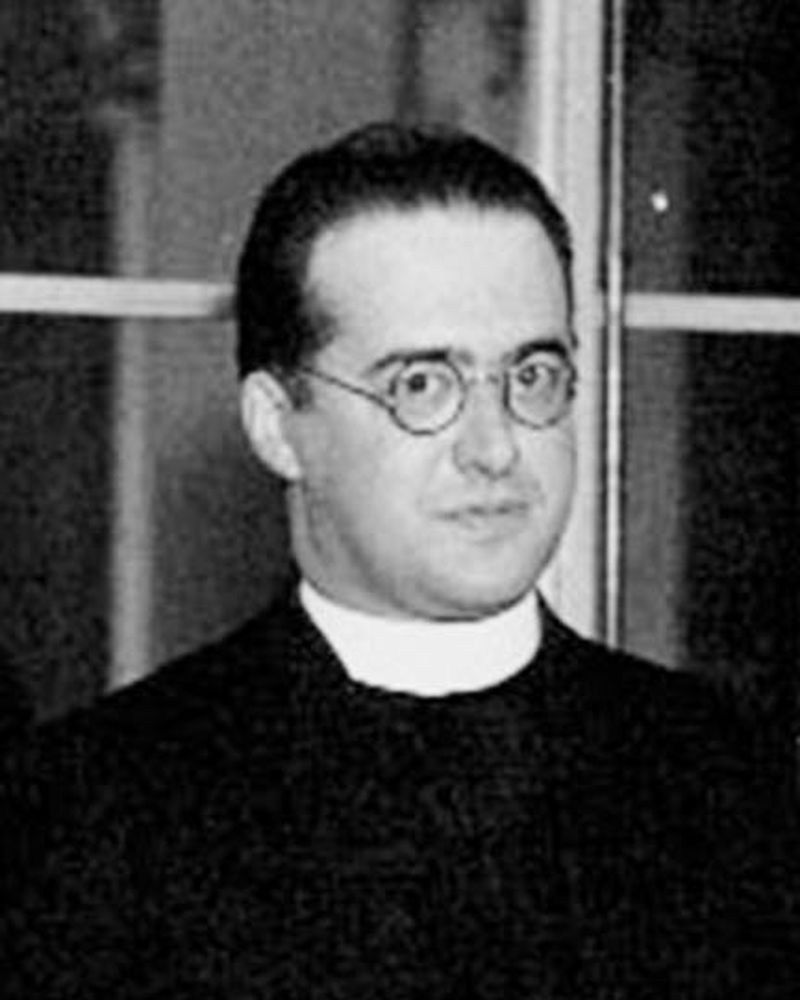
Georges Lemaître
1894 – 1966
Belgium
Belgian priest and physicist who deduced in 1927 that the universe is expanding, found the relation between the distance and velocity of galaxies before Hubble, and proposed the “primeval atom”, the seed of the Big Bang.
Cosmology
-
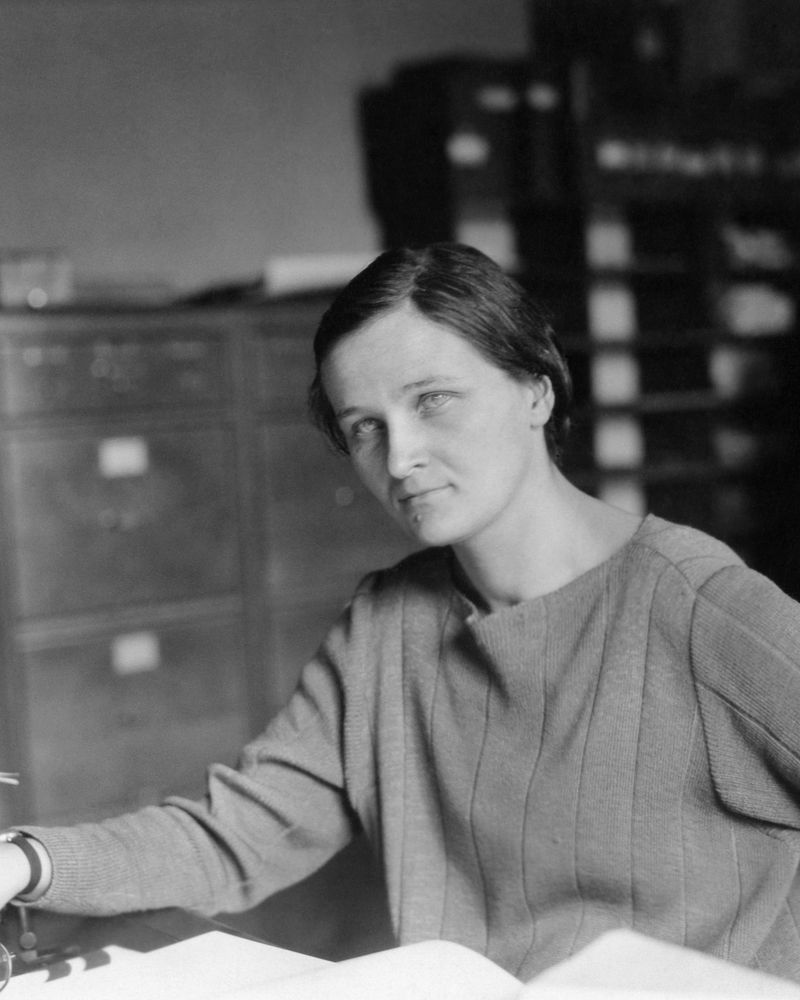
Cecilia Payne-Gaposchkin
1900 – 1979
United Kingdom and United States
In her 1925 thesis she showed that stars are made mostly of hydrogen and helium, and that the differences between their spectra reflect temperature, not composition.
Astrophysics
-
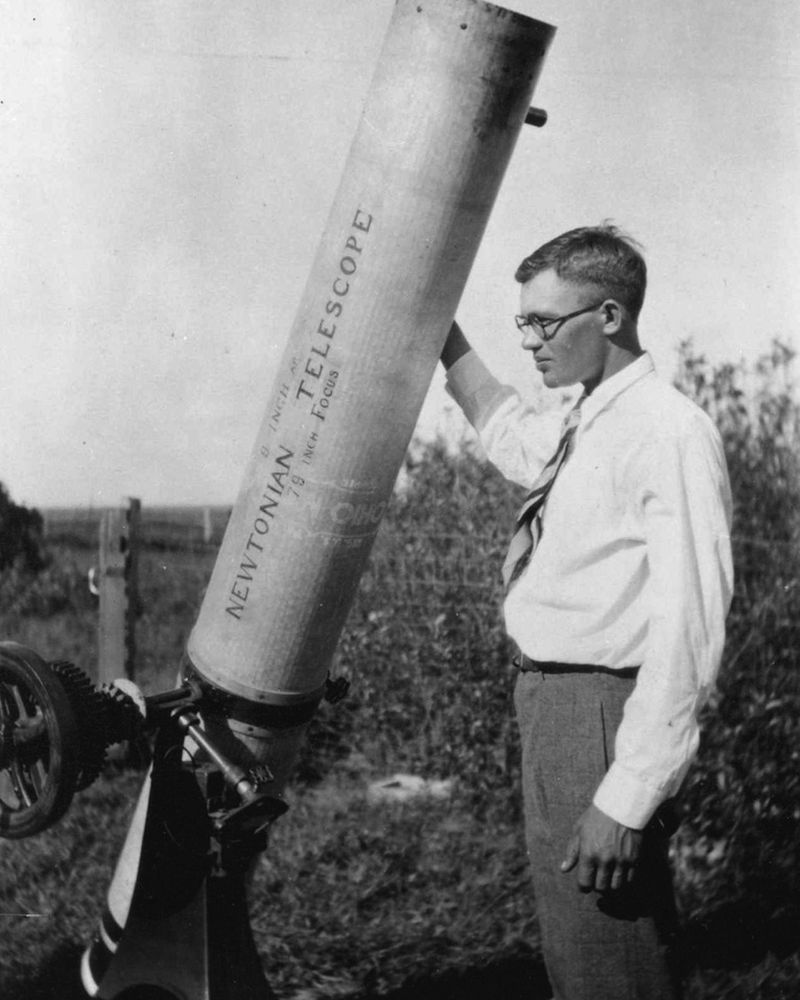
Clyde Tombaugh
1906 – 1997
United States
A young Kansas farm boy who, with a blink comparator at the Lowell Observatory, discovered Pluto in 1930, the first known object of the Kuiper belt.
Observation and instruments
-
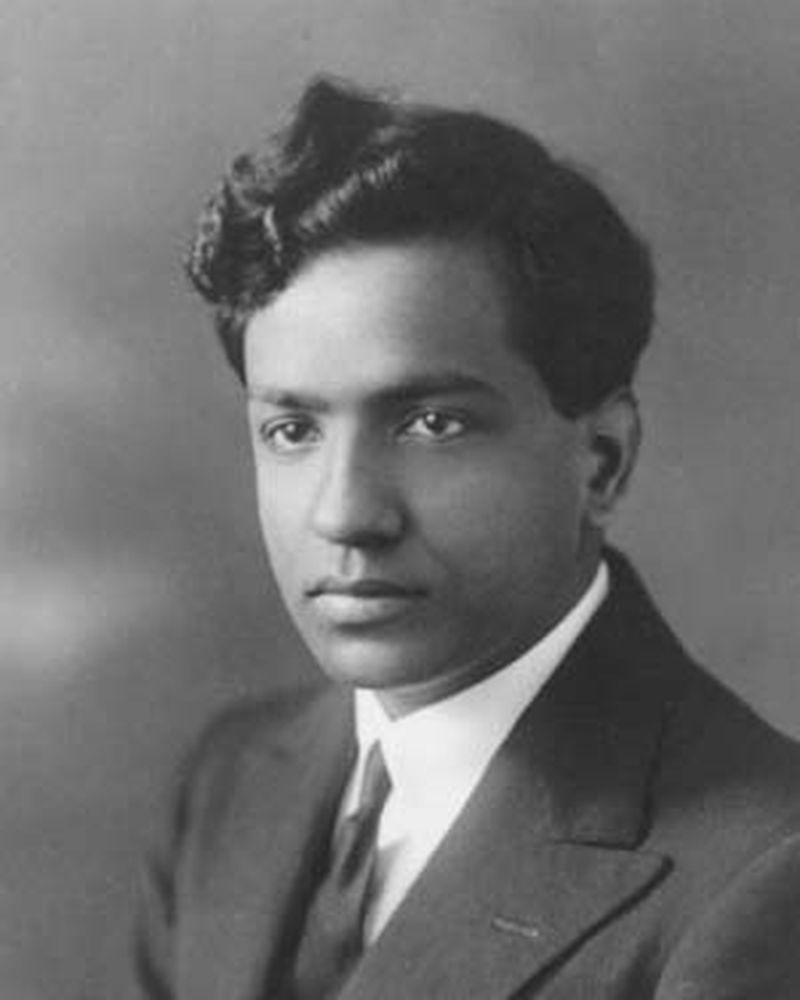
Subrahmanyan Chandrasekhar
1910 – 1995
India and United States
At 19 he calculated that a white dwarf cannot exceed about 1.4 solar masses without collapsing; his limit opened the way to neutron stars and black holes. Nobel Prize in Physics 1983.
Astrophysics
-
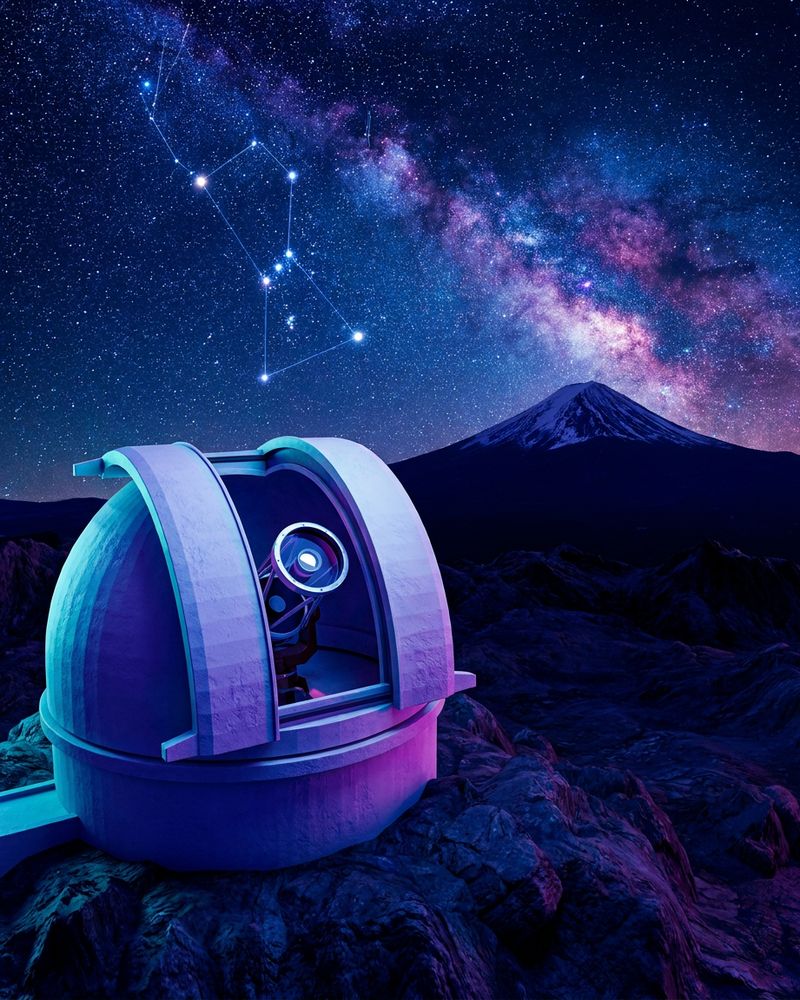
Guillermo Haro
1913 – 1988
Mexico
Mexican astronomer who, from the Tonantzintla Observatory, discovered Herbig–Haro objects, flare stars and faint blue stars, and founded the National Institute of Astrophysics, Optics and Electronics.
Observation and instrumentsAstrophysics
-
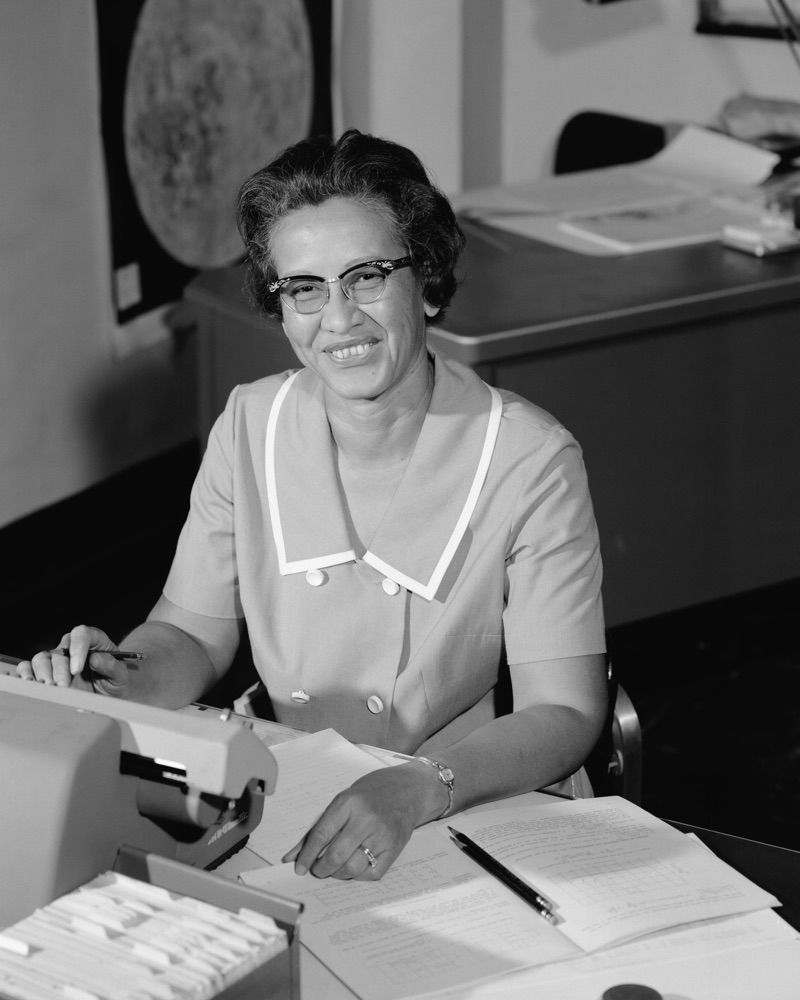
Katherine Johnson
1918 – 2020
United States
NASA mathematician who calculated by hand the trajectories of the first American crewed flights and checked the computations for John Glenn's orbit.
Celestial mechanicsMathematicsSpace exploration
-
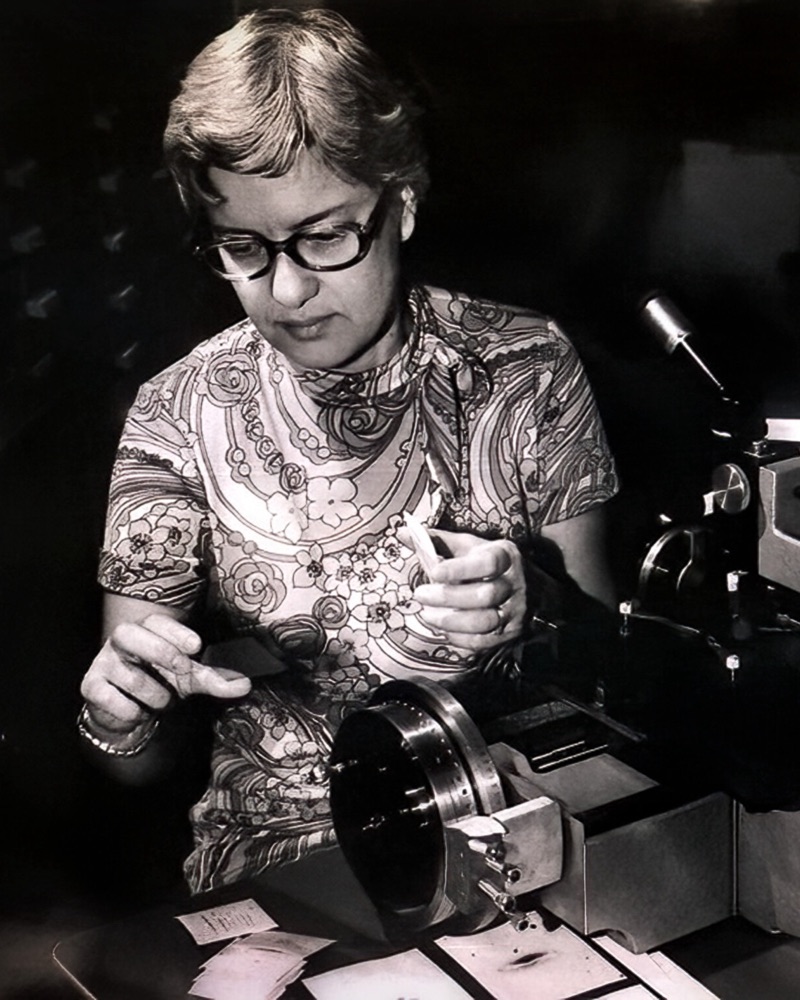
Vera Rubin
1928 – 2016
United States
She measured how spiral galaxies rotate and found that the outer stars move as fast as the inner ones, one of the strongest pieces of evidence for dark matter.
AstrophysicsCosmologyObservation and instruments
-
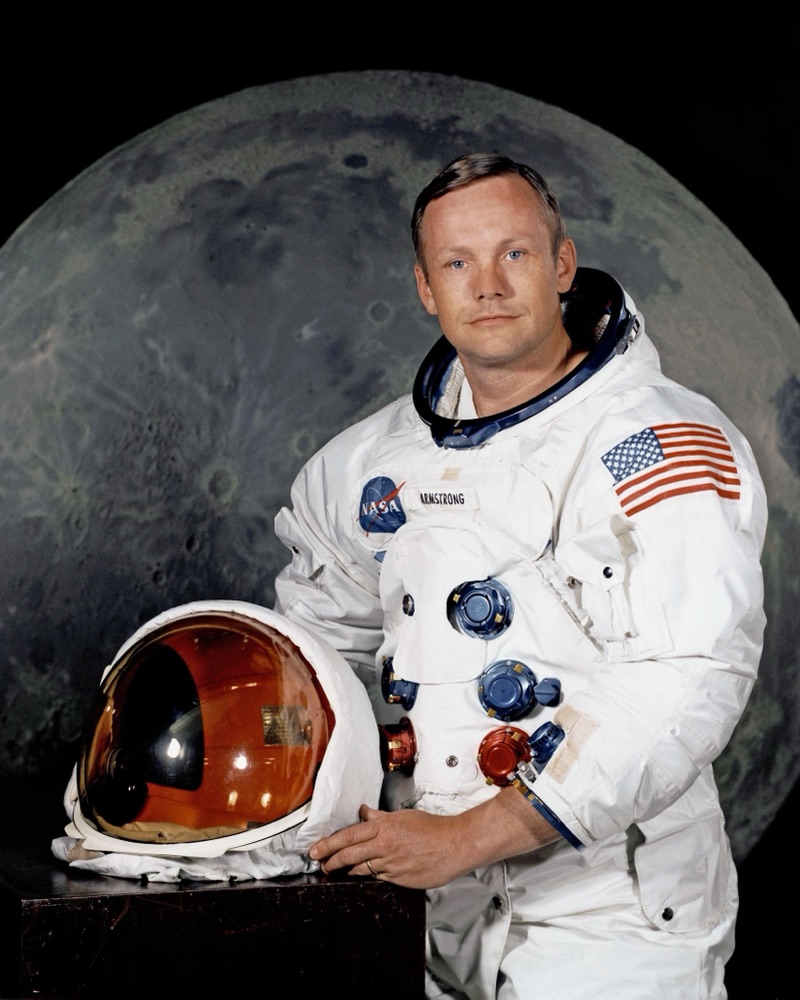
Neil Armstrong
1930 – 2012
United States
Test pilot and commander of Apollo 11: on July 20, 1969, he landed the lunar module “Eagle” and became the first human being to set foot on the Moon.
Space exploration
-
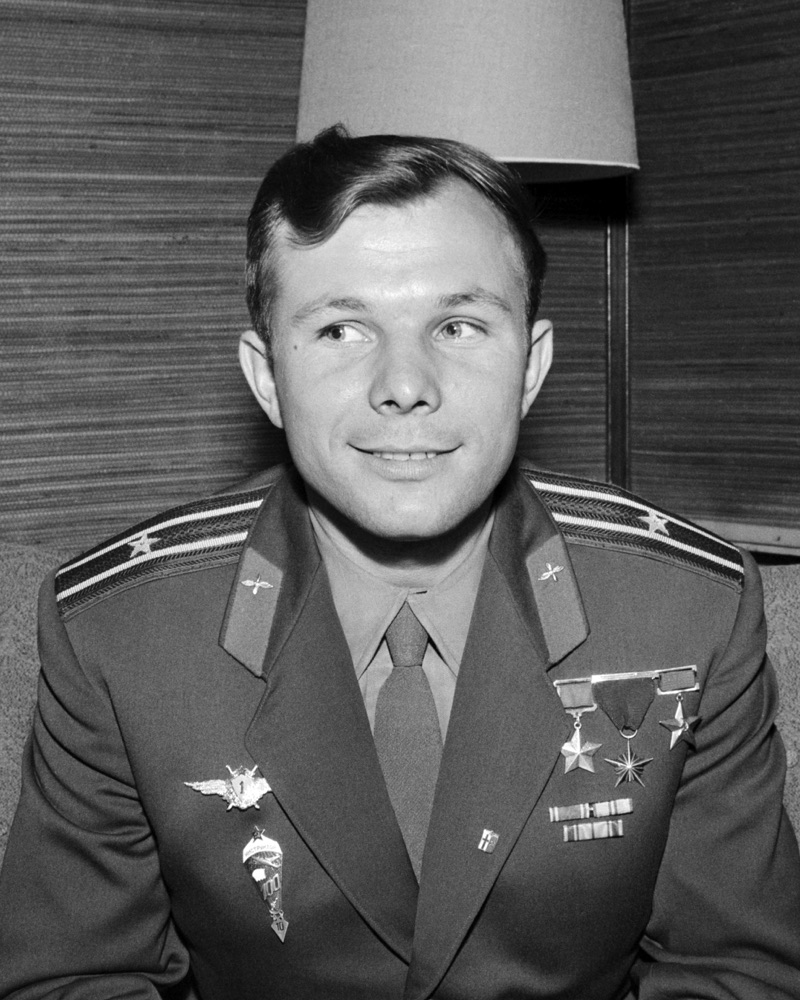
Yuri Gagarin
1934 – 1968
Soviet Union
On April 12, 1961, he made a full orbit of the Earth aboard Vostok 1 and became the first human being to travel into space.
Space exploration
-
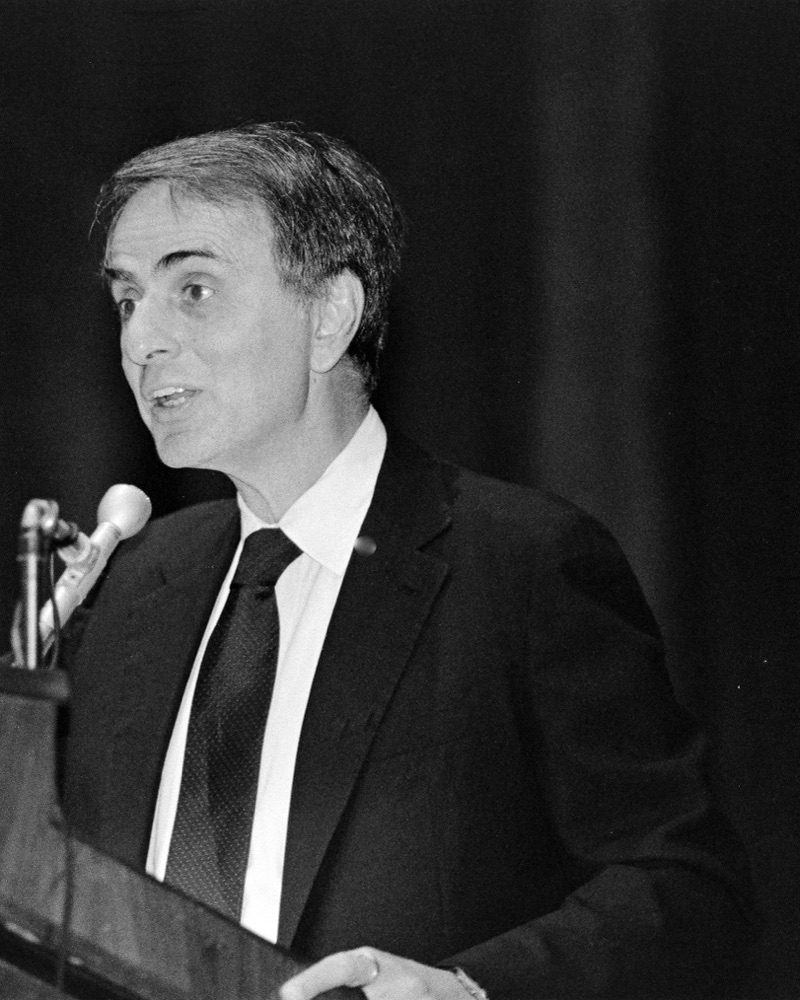
Carl Sagan
1934 – 1996
United States
Cornell planetary scientist and science communicator who brought the cosmos into millions of homes with the series “Cosmos” and helped design the messages carried by the Pioneer and Voyager probes.
Science communicationAstrophysicsSpace exploration
-
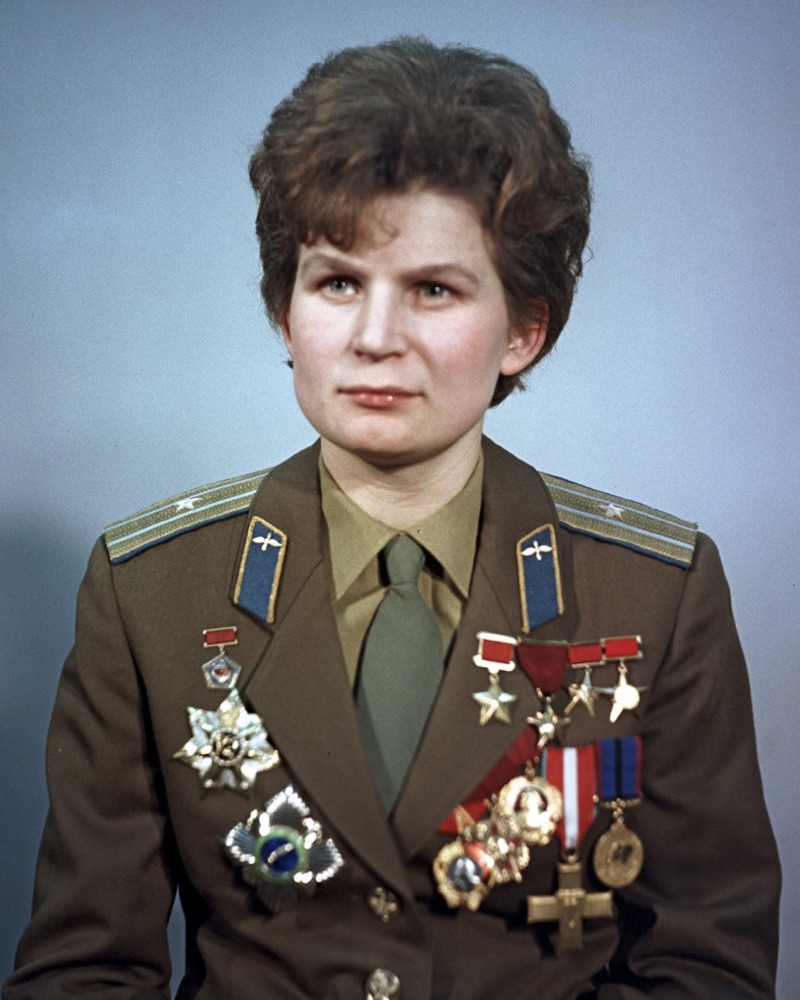
Valentina Tereshkova
1937 – today
Soviet Union (now Russia)
In June 1963 she spent nearly three days in orbit aboard Vostok 6 and became the first woman to travel into space, on a mission she completed alone.
Space exploration
-
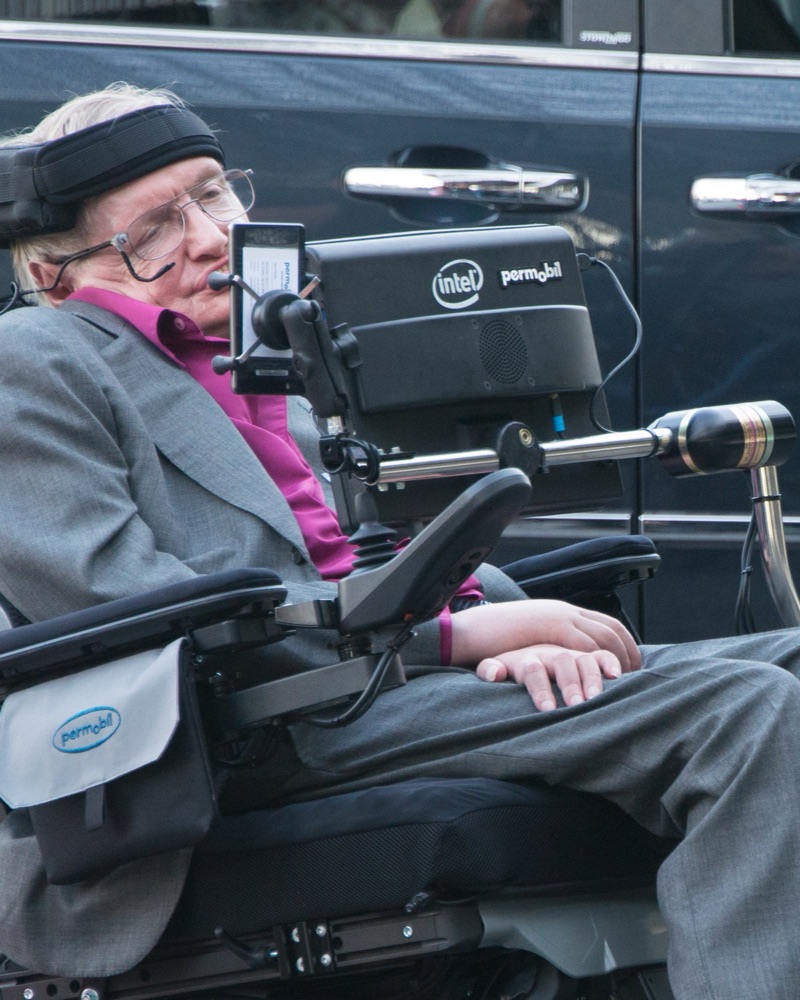
Stephen Hawking
1942 – 2018
United Kingdom
Theoretical physicist who showed that the universe had an initial singularity and that black holes emit radiation; his book “A Brief History of Time” brought cosmology to millions of readers.
CosmologyAstrophysicsScience communication
-
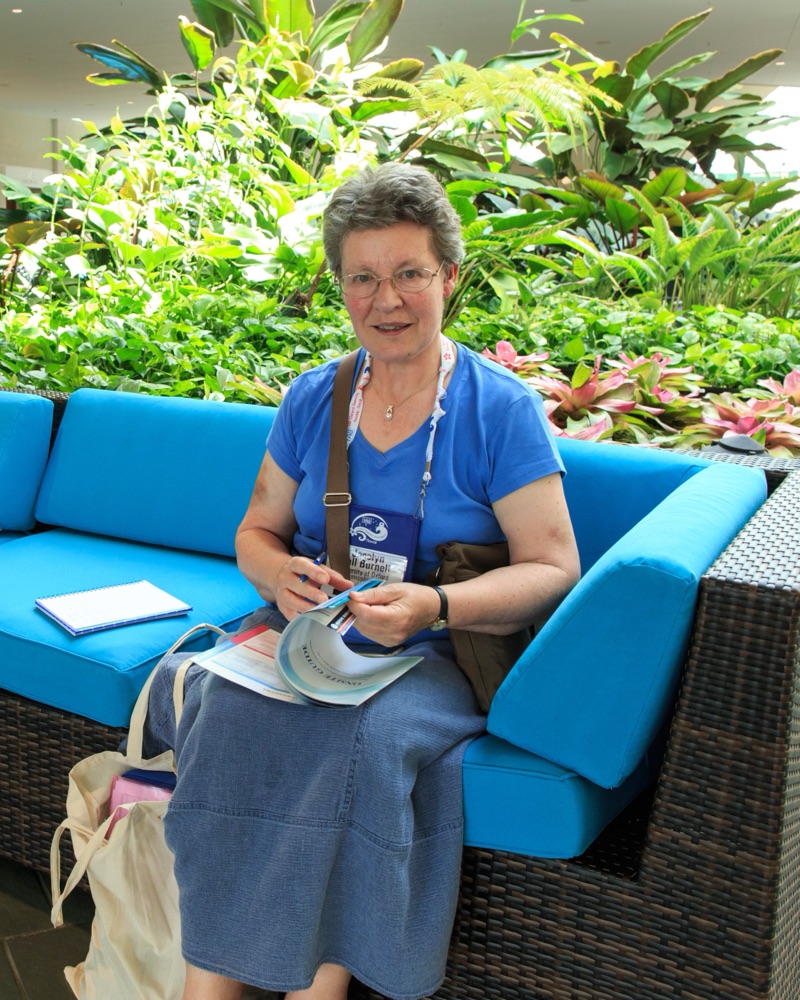
Jocelyn Bell Burnell
1943 – today
Northern Ireland (United Kingdom)
As a doctoral student at Cambridge she discovered in 1967 the first signal of a pulsar: a neutron star that emits radio pulses with astonishing regularity.
AstrophysicsObservation and instruments
-
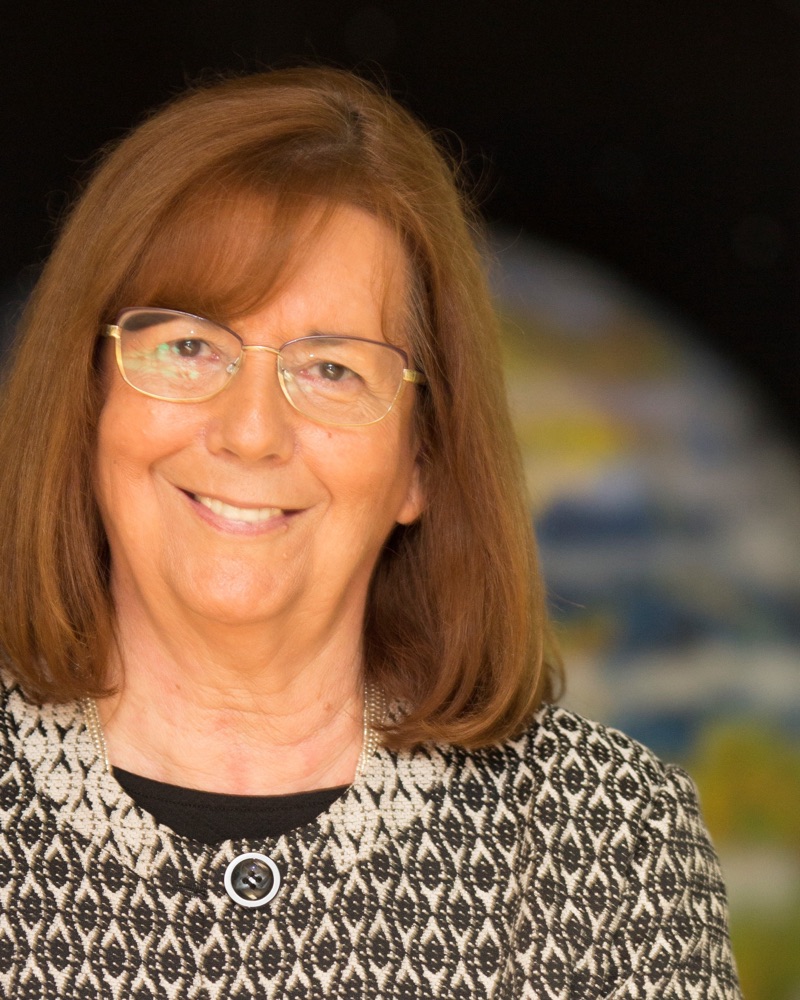
María Teresa Ruiz
1946 – today
Chile
Chilean astronomer at the University of Chile who in 1997 discovered Kelu-1, one of the first known isolated brown dwarfs, and was the first woman to receive her country's National Prize for Exact Sciences.
AstrophysicsObservation and instruments
-
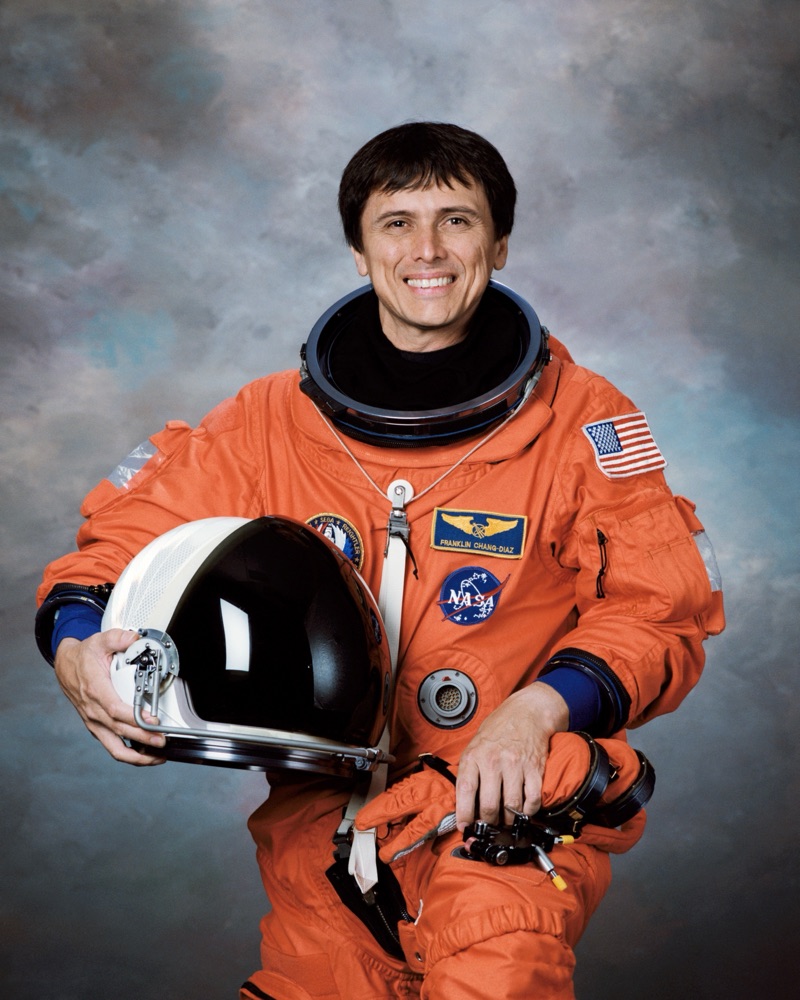
Franklin Chang-Díaz
1950 – today
Costa Rica
Costa Rican astronaut and plasma physicist: he flew seven times on the Space Shuttle, a shared record, and is developing a plasma rocket for long space voyages.
Space explorationAstrophysics
-
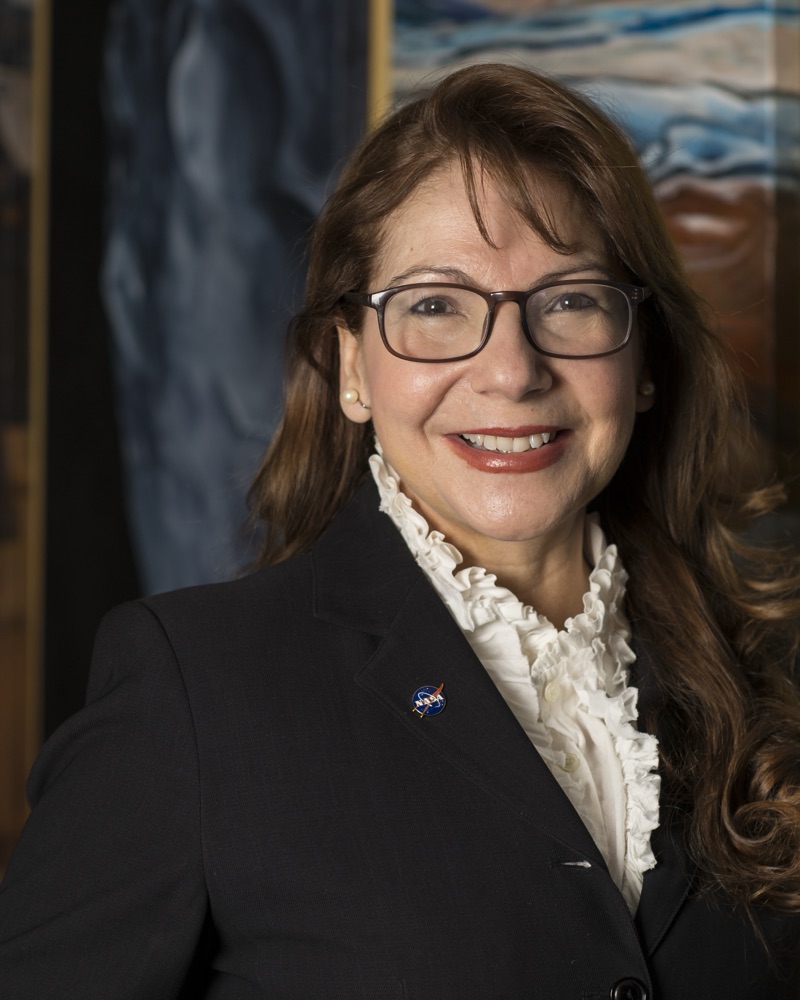
Adriana Ocampo
1955 – today
Colombia
Colombian planetary geologist at NASA/JPL: she helped identify the Chicxulub crater, in Yucatán, as the site of the impact linked to the extinction of the dinosaurs, and works on missions to other worlds.
Space explorationAstrophysics
-
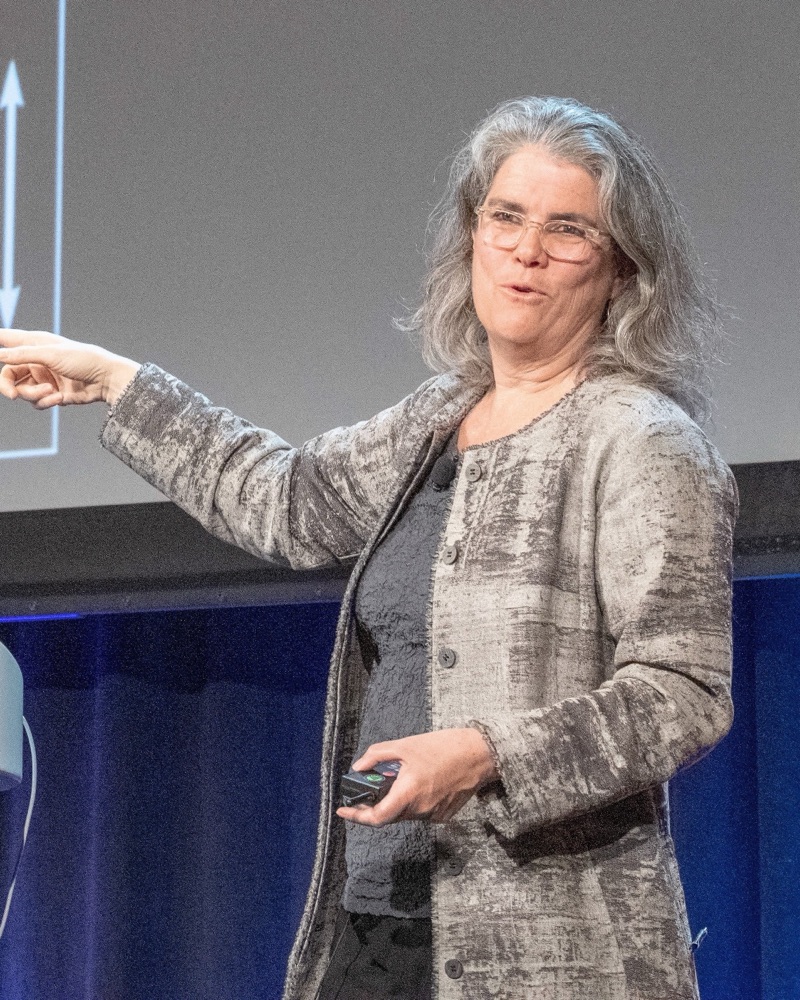
Andrea Ghez
1965 – today
United States
UCLA astronomer who tracked for years the orbits of the stars at the center of the Milky Way and showed that they revolve around a supermassive black hole. 2020 Nobel Prize in Physics.
AstrophysicsObservation and instruments
No one matches. Try another word or clear the filters.