




Context
Colombia sits almost on the equator. From Bogotá, at 4.7° north latitude, both of the world’s pole stars can be seen: Polaris grazing the northern horizon and Crux (the Southern Cross) high in the south. The Sun passes through the zenith twice a year, and the days last almost the same all year round. The peoples who lived here before 1500 (Muisca, Tairona, Zenú) organized their calendars by that sky; their story is in the chapter on the Andes.
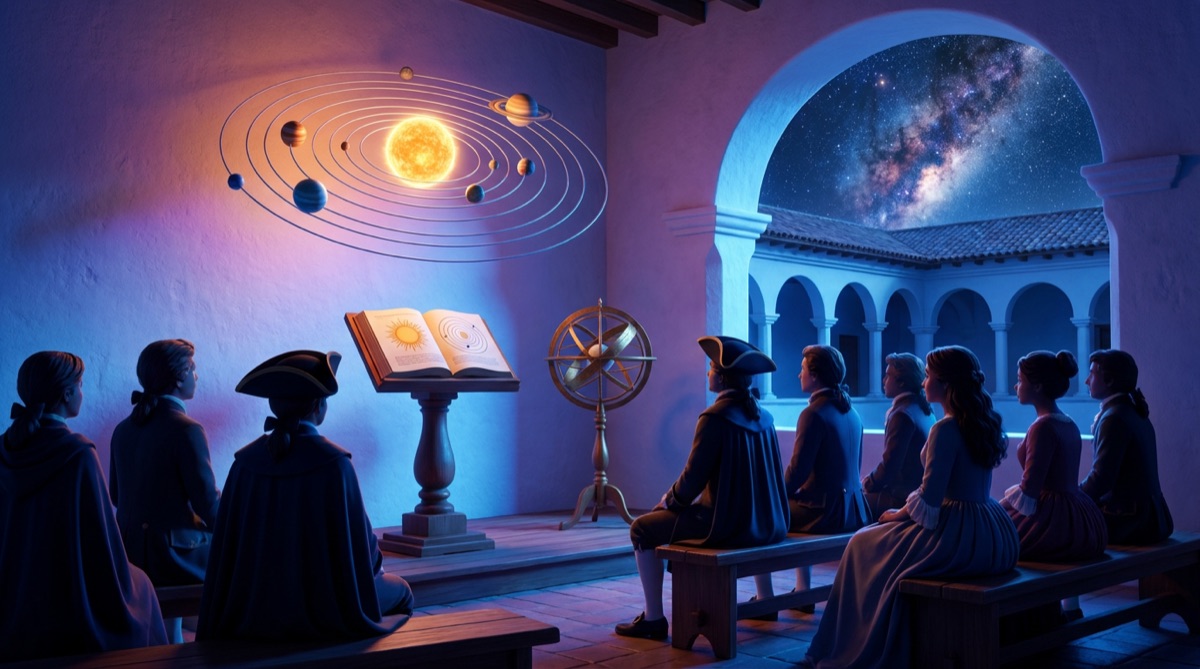
This chapter begins in 1760, when a physician from Cádiz, José Celestino Mutis, arrives in Cartagena with the new viceroy. In Santafé de Bogotá Mutis taught mathematics and the Copernican system, which still made part of the Church uneasy, and directed the Botanical Expedition (1783–1816), the largest scientific enterprise of the colony. Out of it came an observatory, a generation of Creole scientists and, by an unexpected path, independence. Since then, doing astronomy in Colombia has almost always been the task of a few people with a great deal of determination: a director without assistants, a planetarium for a whole city, an amateur astronomer who settles in a desert, universities that build satellites the size of a shoebox.
Major contributions
The observatory of 1803
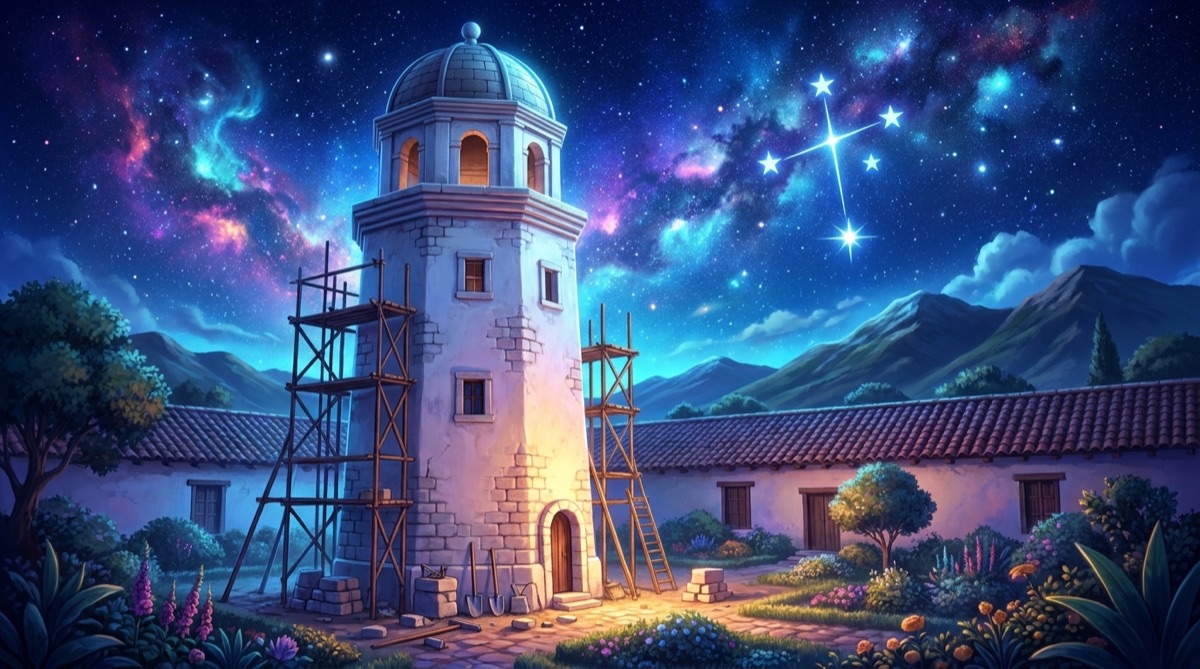
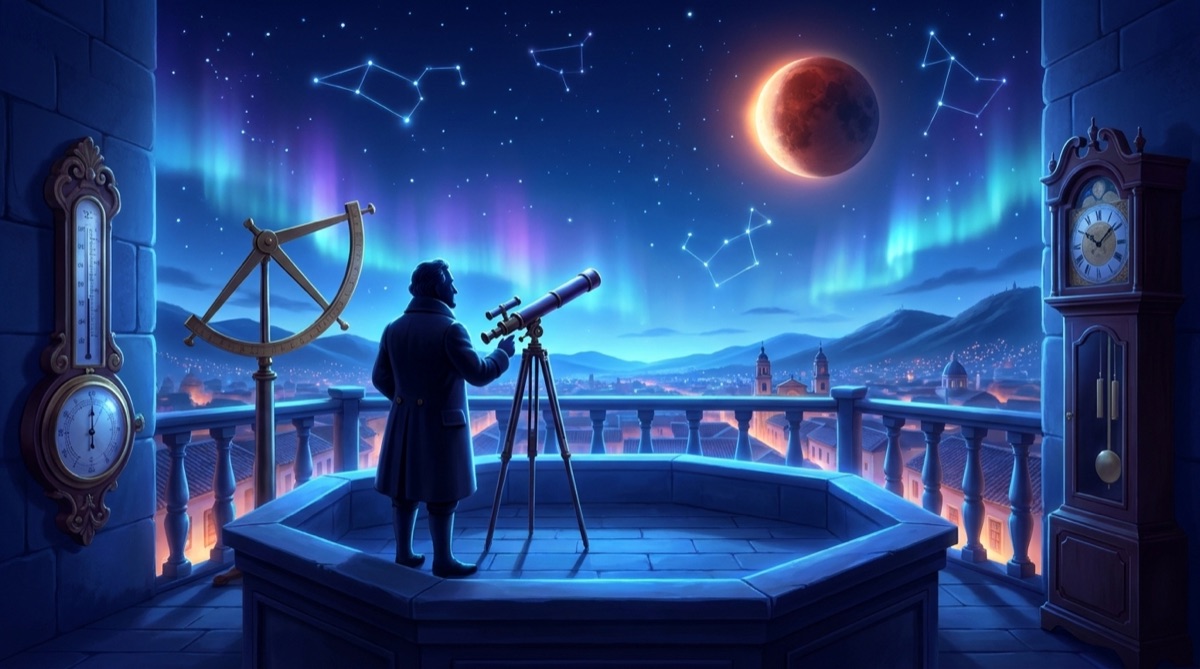
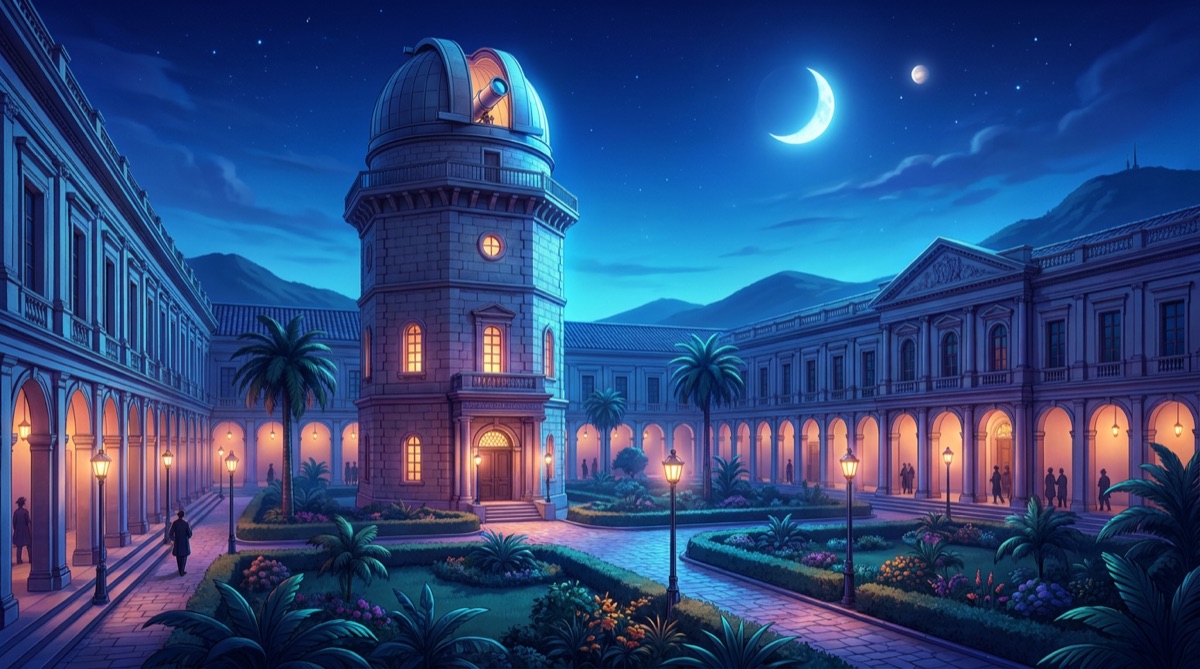
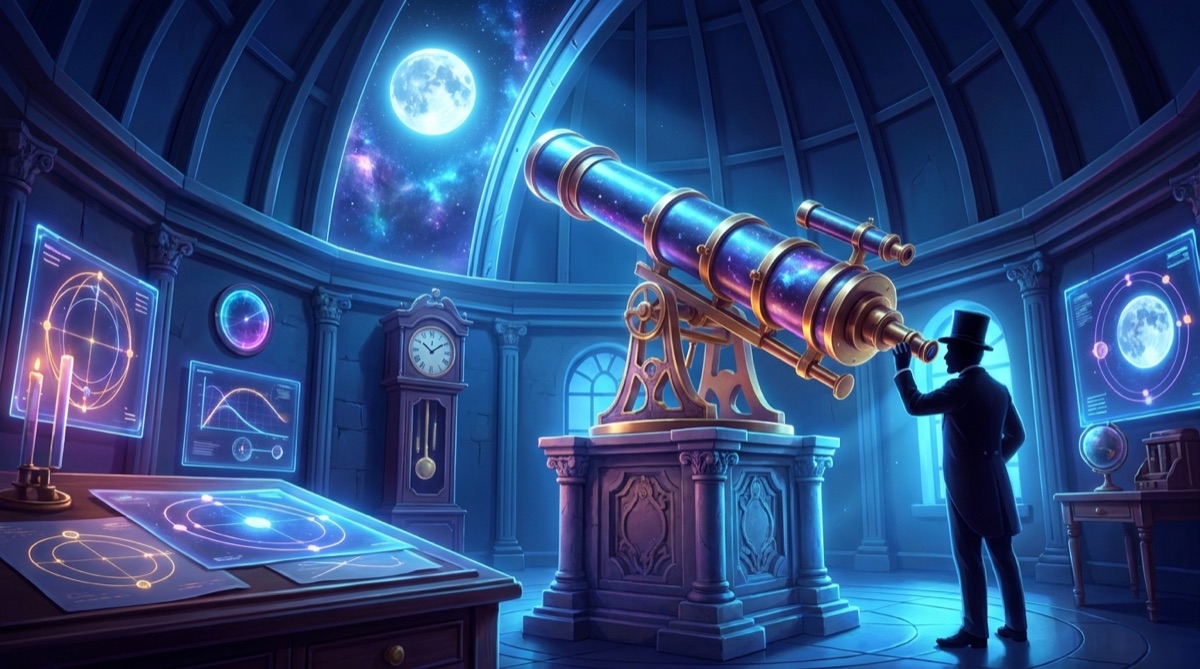
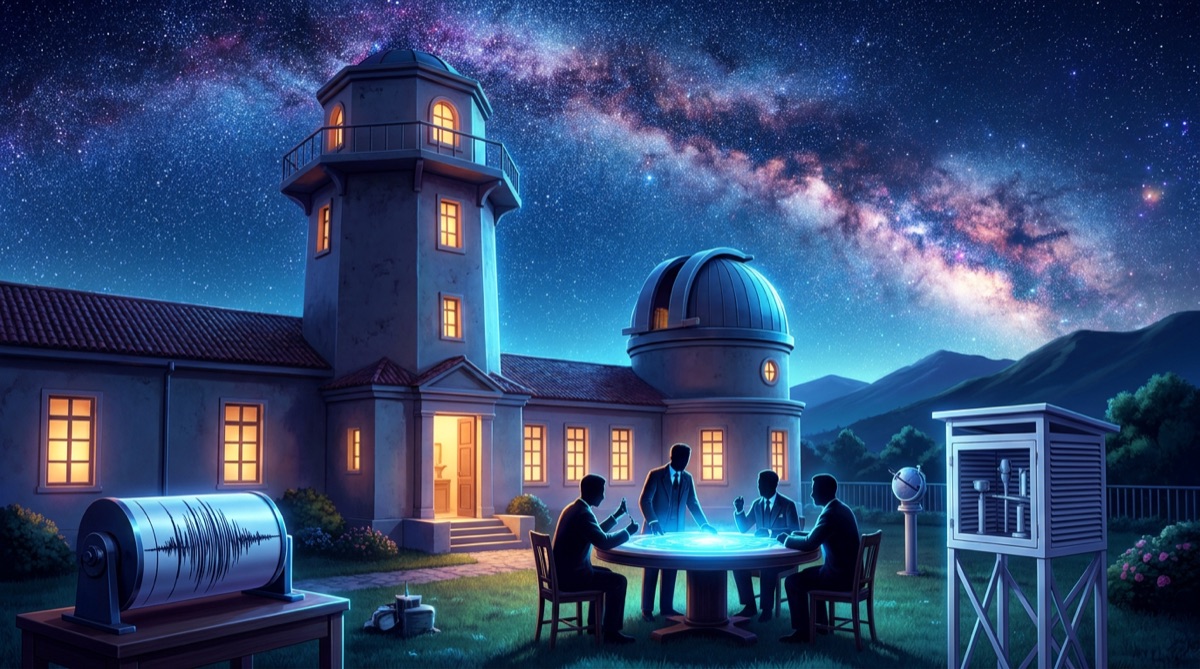
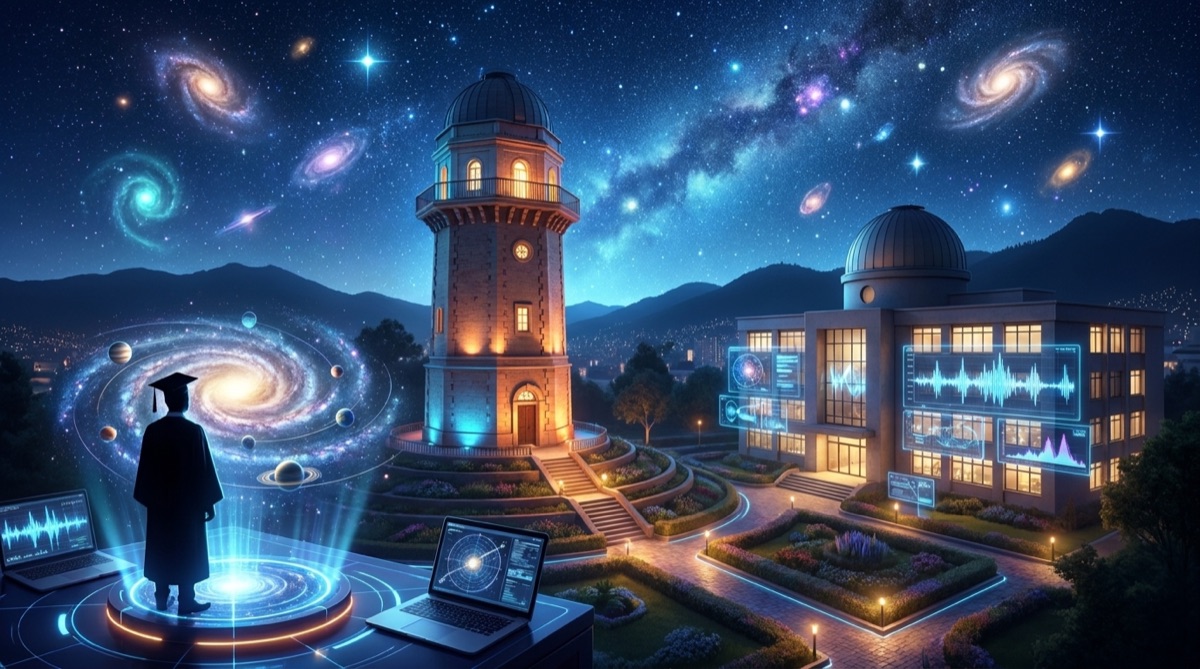
Between May 1802 and August 20, 1803, an octagonal tower was raised next to the house of the Expedition, with plans by Friar Domingo de Petrés. It is the oldest surviving building constructed expressly as an observatory in the Americas; “the first in the Americas”, as it is often put, needs a qualification: there had been organized astronomical observations earlier in Mexico and Lima, but no dedicated building that has come down to us. Its first director, Francisco José de Caldas, measured the latitude and longitude of Bogotá, observed eclipses and kept meteorological records: the same work Hipparchus was doing two thousand years earlier, as the article Hipparchus and the slowly moving sky tells. The lesson Stars and constellations mentions the observatory, and the Local sky simulator shows what they saw from that tower.
Caldas and the hypsometer
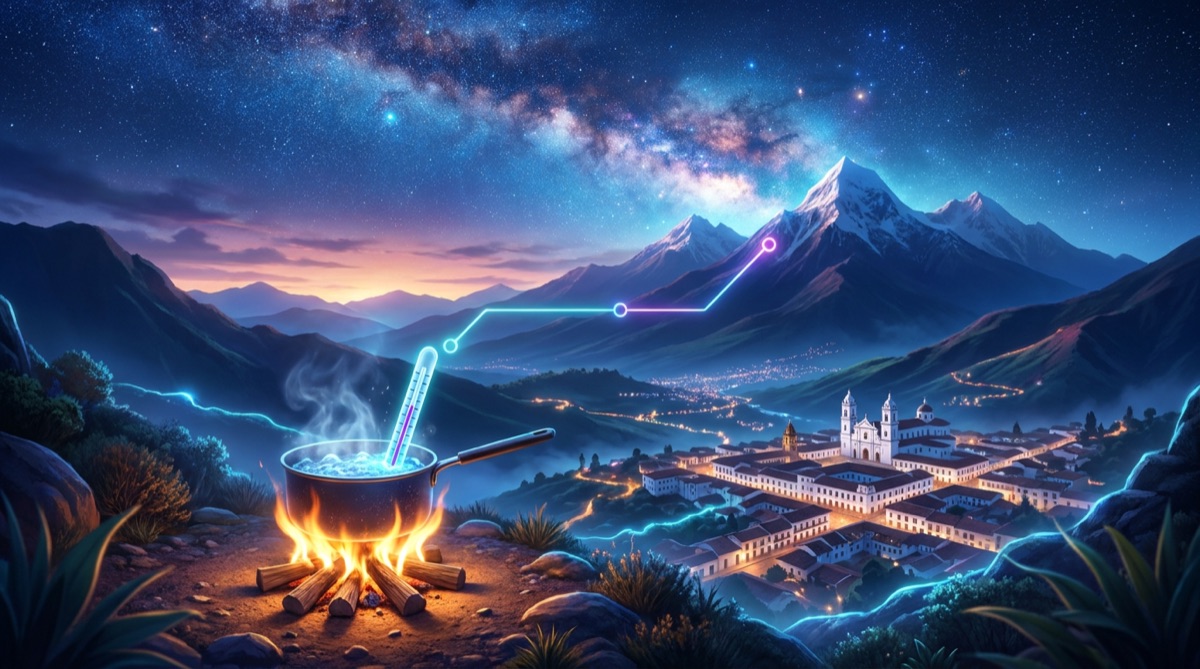
Before reaching the observatory, Caldas had made his most original discovery in Popayán, in 1801, without European instruments: water boils at a lower temperature the higher up you are. With a thermometer and a calibration table, the height of a mountain could be measured. It is an idea that fits in one sentence and that connects the physics of air with the geography of the Andes; the same relation between altitude and pressure appears in the lesson Seasons and latitude. Humboldt, who met Caldas in Quito, used the method on his travels. Caldas also founded in 1808 the Semanario del Nuevo Reino de Granada, the country’s first scientific journal, and was shot in 1816 during the Spanish reconquest.
Garavito and the Moon
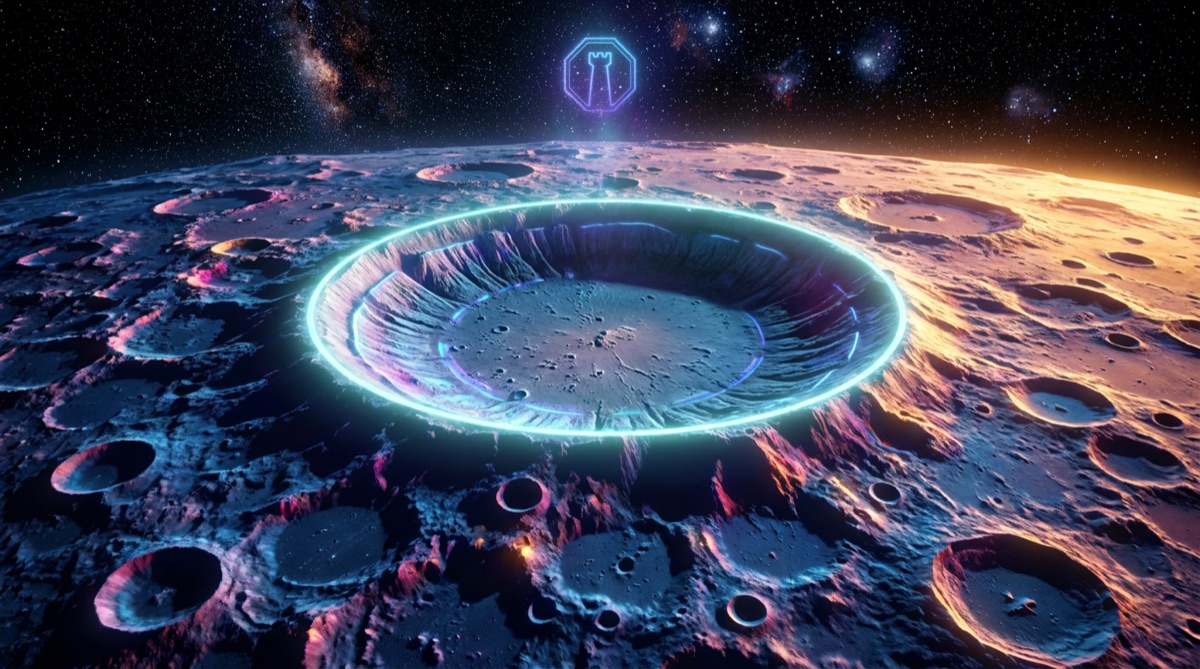
After decades of neglect, the observatory was reborn at the end of the 19th century with José María González Benito and, above all, with Julio Garavito Armero, director from 1891–1892 until his death in 1920. Garavito was a mathematician: he studied comets, worked on the theory of the Moon’s motion (the “perturbations” studied in the lesson Phases and eclipses) and fixed precisely the coordinates of Bogotá, the basis of the country’s maps. In 1970 the International Astronomical Union gave his name to a crater on the far side of the Moon, and between 1996 and 2016 his portrait was on the 20 000-peso banknote.
Planetariums, satellites and dark skies
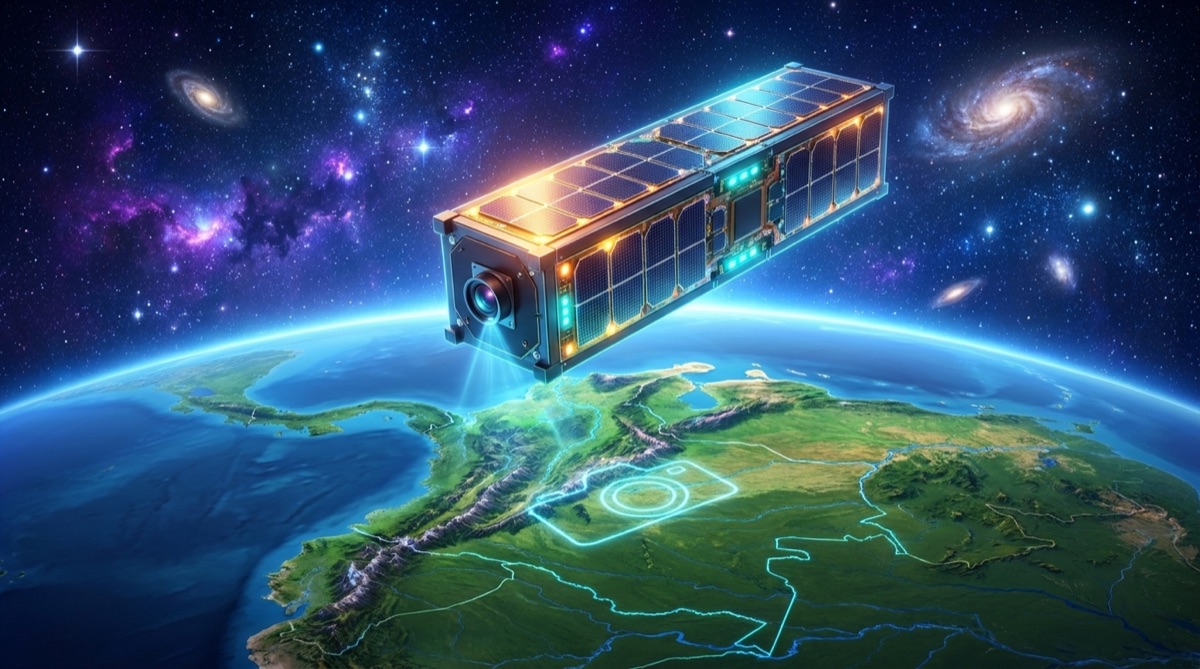
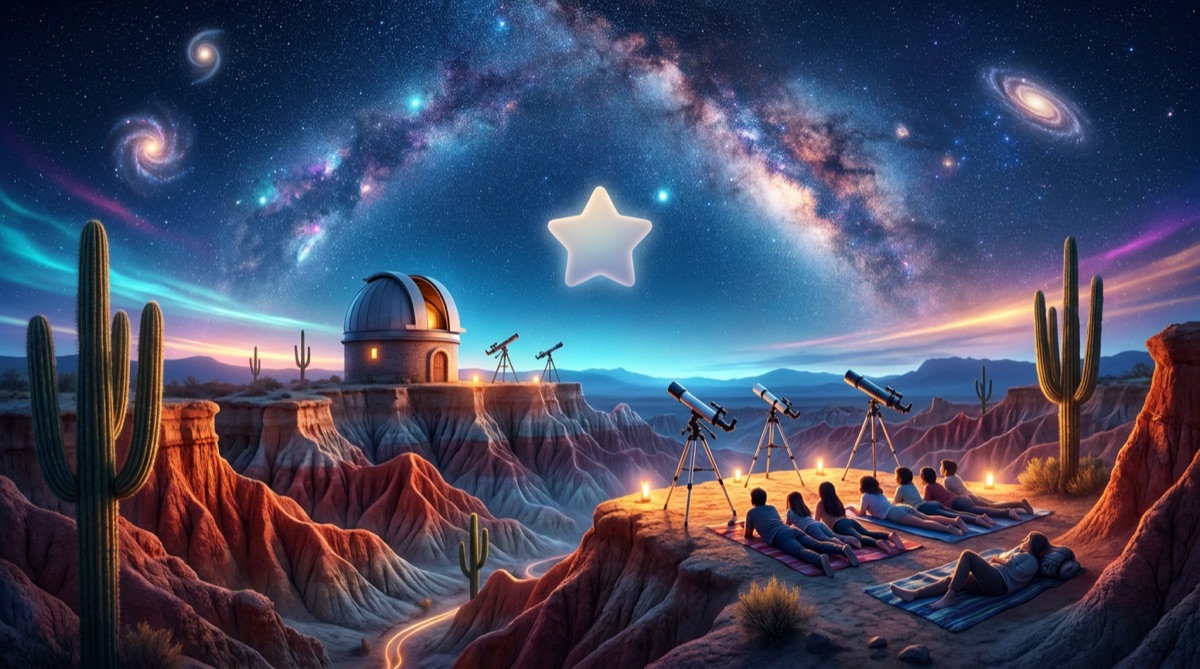
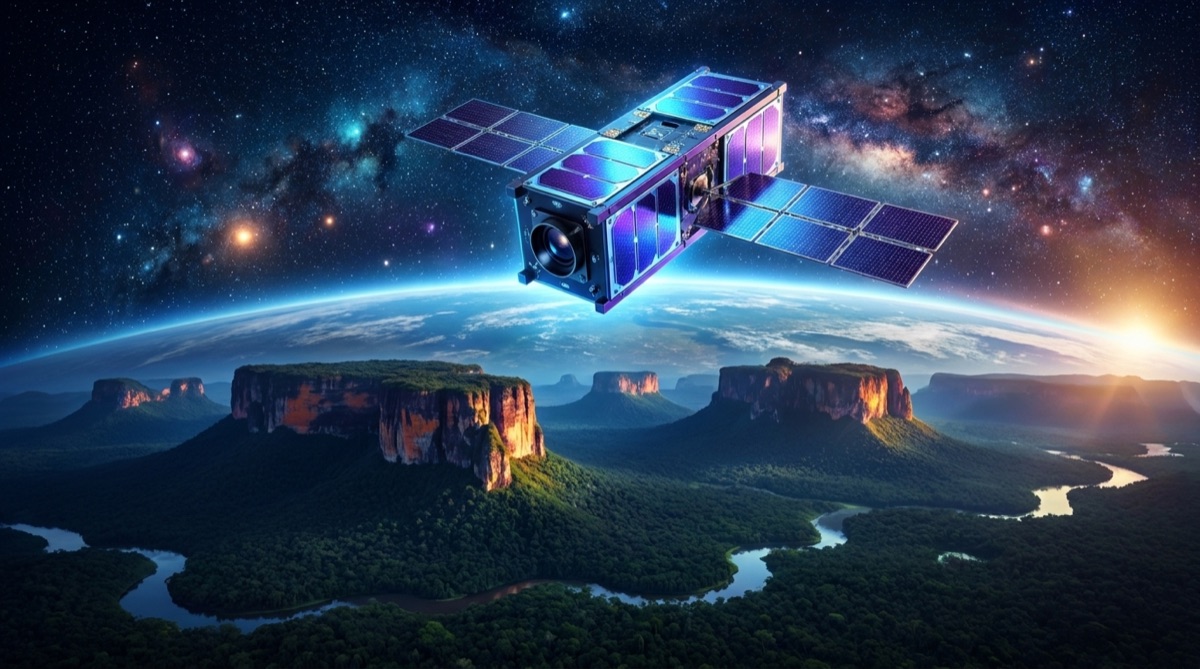
On December 22, 1969, five months after Apollo 11, the Bogotá Planetarium opened; Medellín’s came in 1984. In 2007 the Universidad Sergio Arboleda put into orbit Libertad 1, the first Colombian satellite, and the Air Force followed with FACSAT-1 (2018) and FACSAT-2 “Chiribiquete” (2023); the lesson Gravitation and satellites calculates their orbits and explains why FACSAT-1 ended up falling. And in the Tatacoa Desert (Huila), where Javier Rúa settled in 1997 to see Comet Hale-Bopp, one of the darkest skies in the country is measured today: the lesson How many stars can I see? compares that sky with Bogotá’s, which is about 40 times brighter.
How do we know?
The sources of Colombian astronomy are above all archival documents: the letters and diaries of Mutis and Caldas, the Semanario, the observatory’s observation logs (many preserved at the Universidad Nacional), the press of each period and, for the last thirty years, official launch records and scientific papers.
That leaves gaps and disputes. The date of Mutis’s Copernican lecture is given as 1762 or as December 1773 depending on the historian consulted. The observatory’s appointments appear with a year’s difference between sources (Garavito, 1891 or 1892), and for Caldas even the exact day of his execution is disputed (October 28 or 29, 1816). Some often-repeated stories, such as Einstein praising Garavito’s work, have no document to back them and are not told here. For more recent astronomy, the Red de Astronomía de Colombia (RAC), which for decades has brought together university groups, planetariums and amateurs from all over the country, publishes a circular with the chronicle of each year, but not even its founding date is clearly documented in public sources. On the timeline, every doubtful date carries “c.” and a note.
Legacy
From Mutis and Caldas we inherit the idea that science is done from here, with the resources at hand: a thermometer in Popayán was enough to invent an instrument. From the observatory of 1803 we inherit the country’s first precise coordinates, the building (today inside the Casa de Nariño) and the tradition that led to the first undergraduate degree in Astronomy (Universidad de Antioquia, 2009) and the first doctorate (Universidad Nacional, 2017). From Garavito, a crater on the Moon and the certainty that a mathematician in Bogotá could contribute to the world’s celestial mechanics.
And we inherit a sky. The same one that allows us to measure the Earth as Eratosthenes did, between Bogotá and Santa Marta (lesson and project), to follow a Colombian satellite with the naked eye and, in the Tatacoa, to see the Milky Way from horizon to horizon. This portal exists so that that sky keeps being watched with rigor.