His life
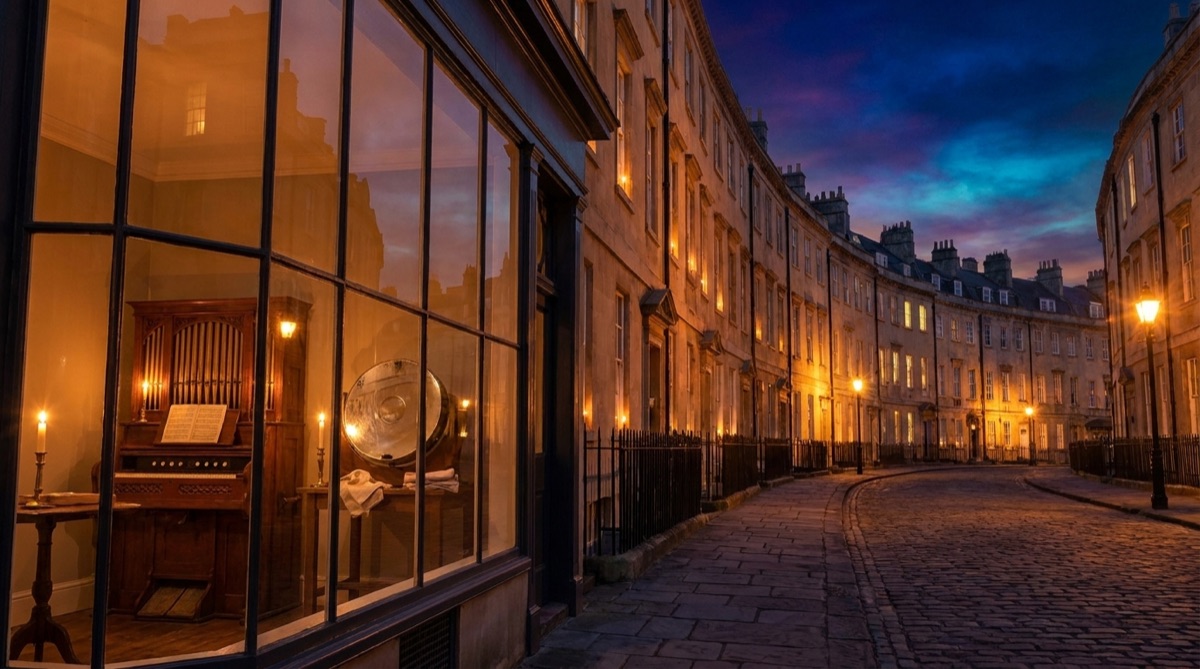
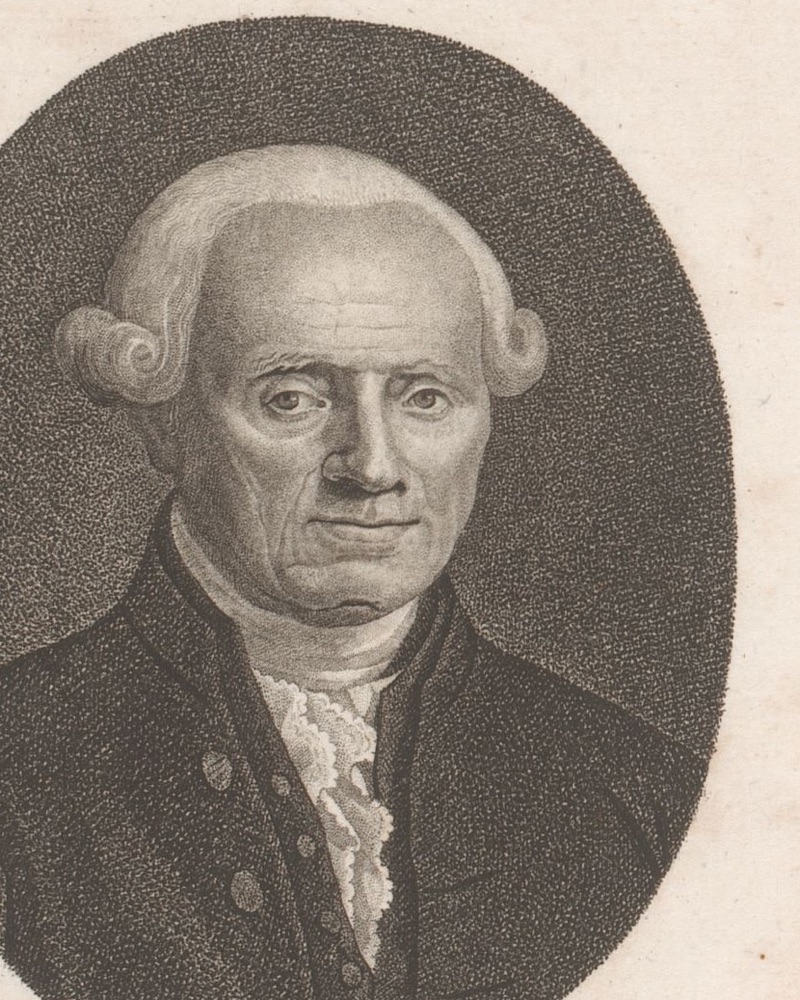
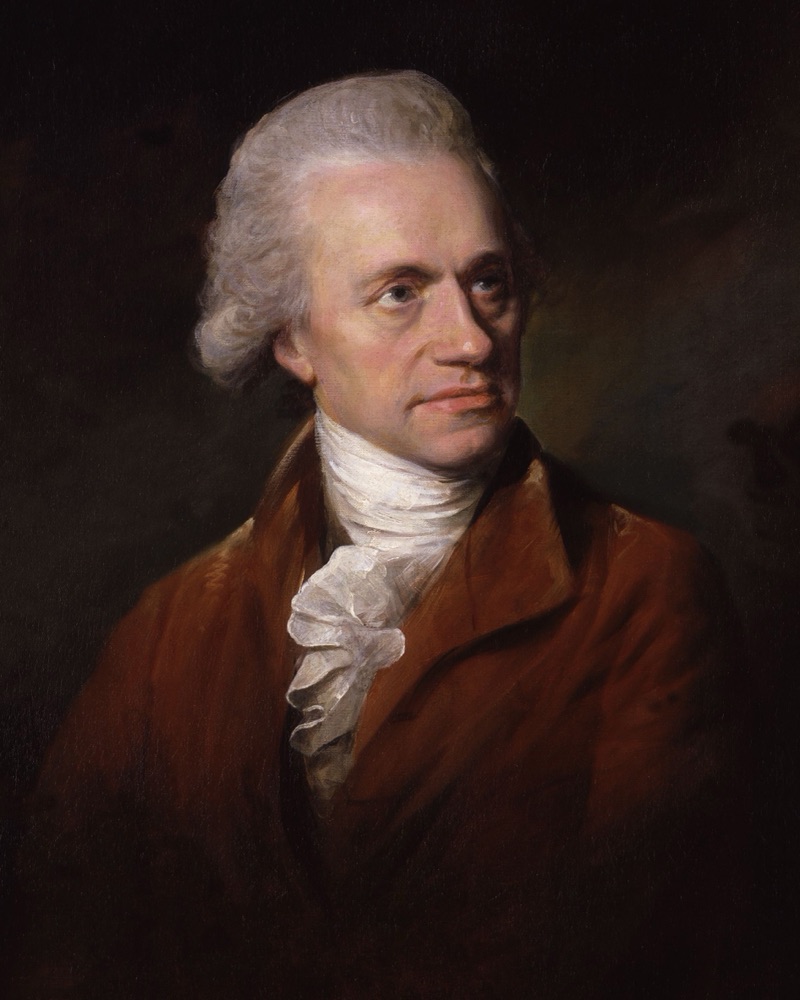
Friedrich Wilhelm Herschel was born in Hanover on November 15, 1738, into a family of musicians. His father, Isaac, was an oboist in the band of the Hanoverian guard, and William followed the same trade. He went to England in 1757, fleeing a war, and after difficult years as a copyist, teacher and choir director he was appointed organist of the Octagon Chapel in Bath, the fashionable spa town. He composed symphonies and gave many music lessons.
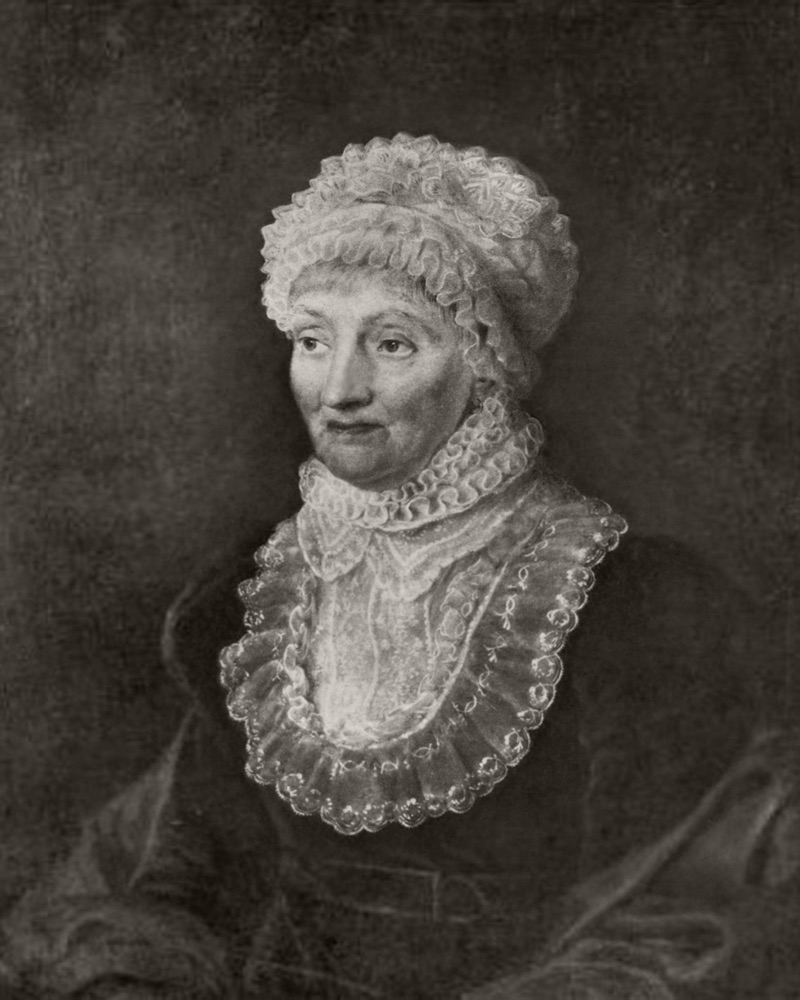
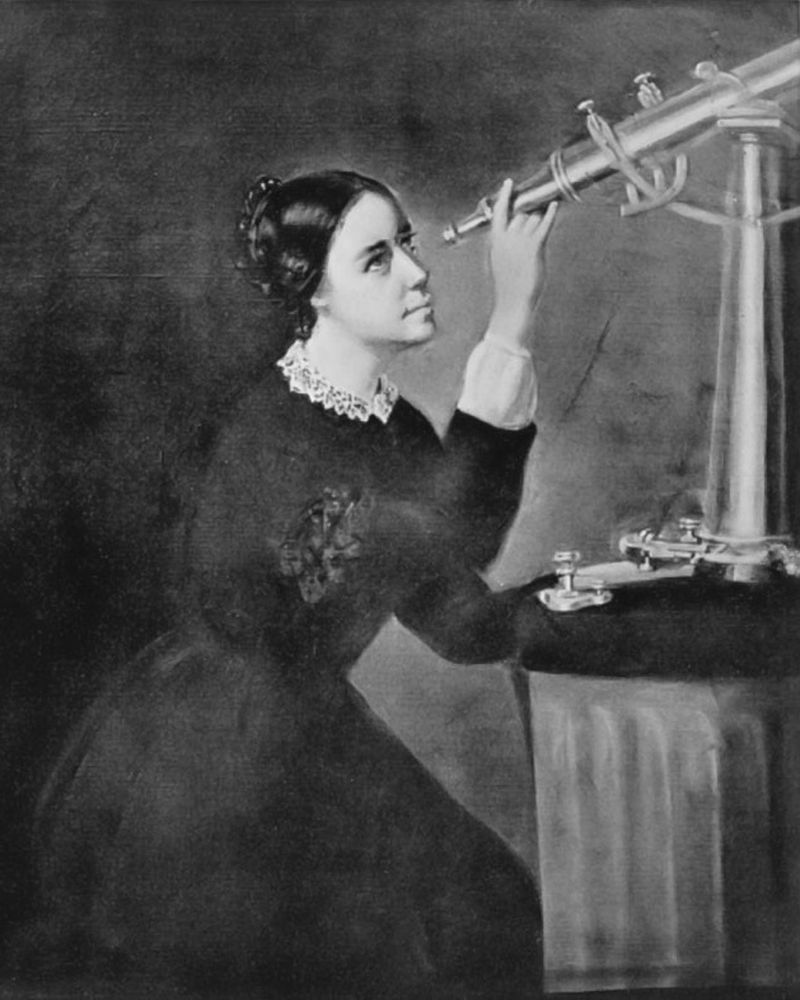
A passion grew alongside: astronomy. He read treatises on optics and astronomy; to see the sky one needed telescopes, and good ones were unaffordable. So he learned to make them: casting, grinding and polishing metal mirrors in the parlor of his house, with the help of his sister Caroline, who came to live with him in 1772. By about 1774 he was already observing with a telescope of his own. When the concerts were over, he went back to his telescope. This craftsman’s work was the key to his success: his reflectors were bigger and better than all those of his time.
The planet nobody expected
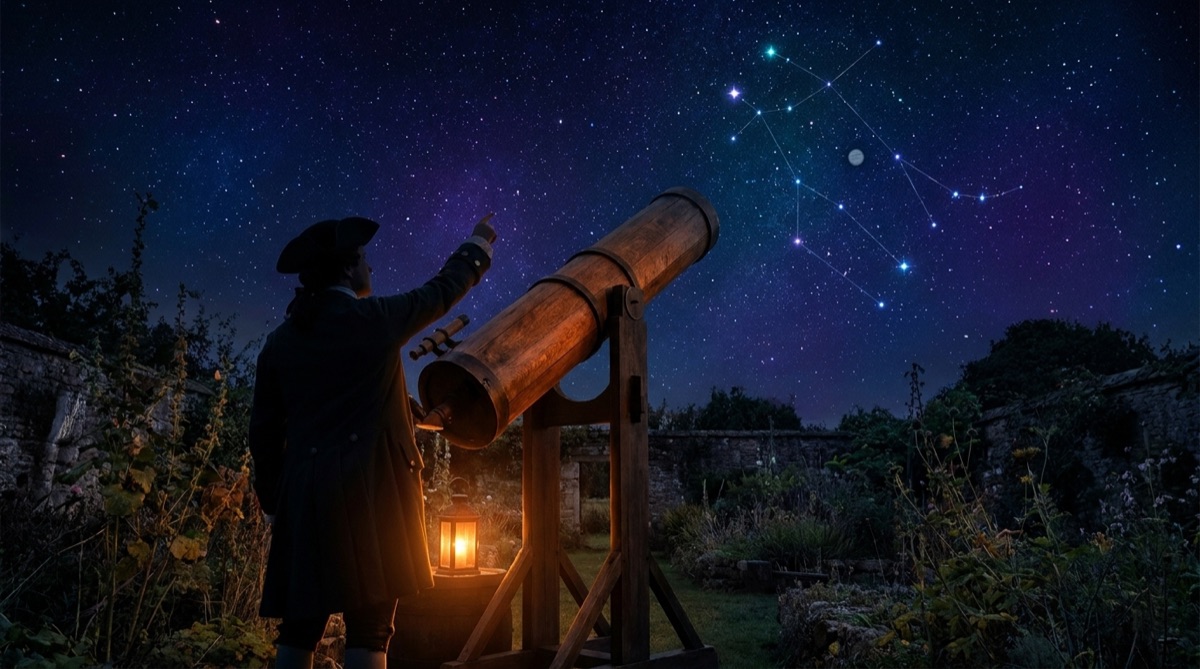
On the night of March 13, 1781, from the garden of his house in Bath, Herschel was sweeping through the stars of the constellation Gemini when he saw an object that was not a point: at higher magnification it appeared as a small disk, something stars never do. He followed it for several nights and confirmed that it moved. He announced it as a comet. But no comet had such a nearly circular orbit so far from the Sun, and the calculations showed that it was a planet, at about nineteen times the distance between the Earth and the Sun. It was the first planet discovered in history, and it doubled the known size of the Solar System. Herschel wanted to call it Georgium Sidus, “George’s star”, in honor of King George III; the name that prevailed, Uranus, was proposed by the German astronomer Johann Bode.
The king rewarded him with an annual pension so that he could devote himself entirely to astronomy. Herschel gave up music, moved near Windsor Castle (finally to Slough, in 1786) and set about sweeping the sky, night after night. In 1787 he found two moons of Uranus, Titania and Oberon, and in 1789 two moons of Saturn, Mimas and Enceladus.
The 40-foot telescope
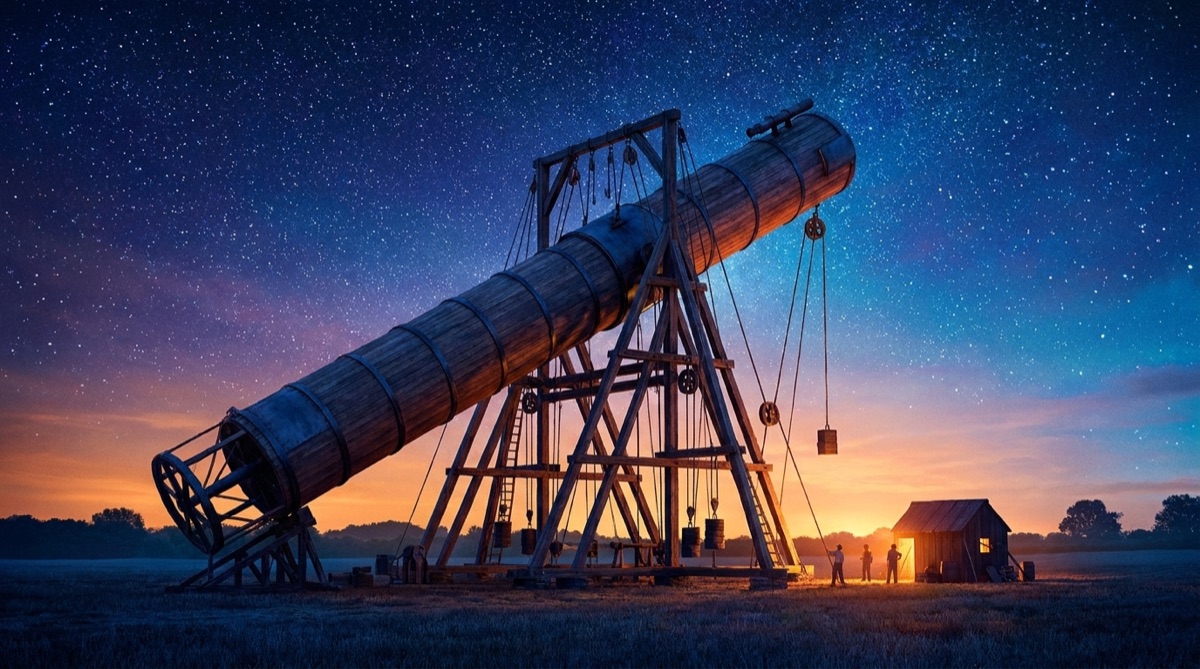
To see farther one had to gather more light, and that required a larger mirror. With the king’s support, Herschel built between 1785 and 1789 a giant reflector: its mirror was 1.2 m (48 inches) in diameter, and its tube, about 12 m (40 feet) long, hung from a wooden scaffold, aimed with ropes and pulleys. With it he identified new moons of Saturn. Even so, the instrument was heavy and hard to handle, and his favorite telescope for everyday work remained a smaller one, of 20 feet.
With these instruments he made observations of enormous scope. He counted stars in thousands of regions of the sky to estimate the shape of the Milky Way, which he pictured as a flattened disk with the Sun near the center; today we know the Sun is far from the center, but it was the first attempt to draw the Galaxy. He showed that many double stars are not a coincidence of perspective but physical pairs revolving around each other: the gravitation of Newton also works beyond the Solar System. And he recorded some 2 500 nebulae and clusters.
In 1800 he performed a simple experiment: he split the Sun’s light with a prism and placed thermometers in each color. The temperature rose toward the red and kept rising in the dark region beyond, where nothing can be seen: he had discovered an invisible radiation, the infrared. It is the same radiation that infrared space telescopes capture today.
His legacy
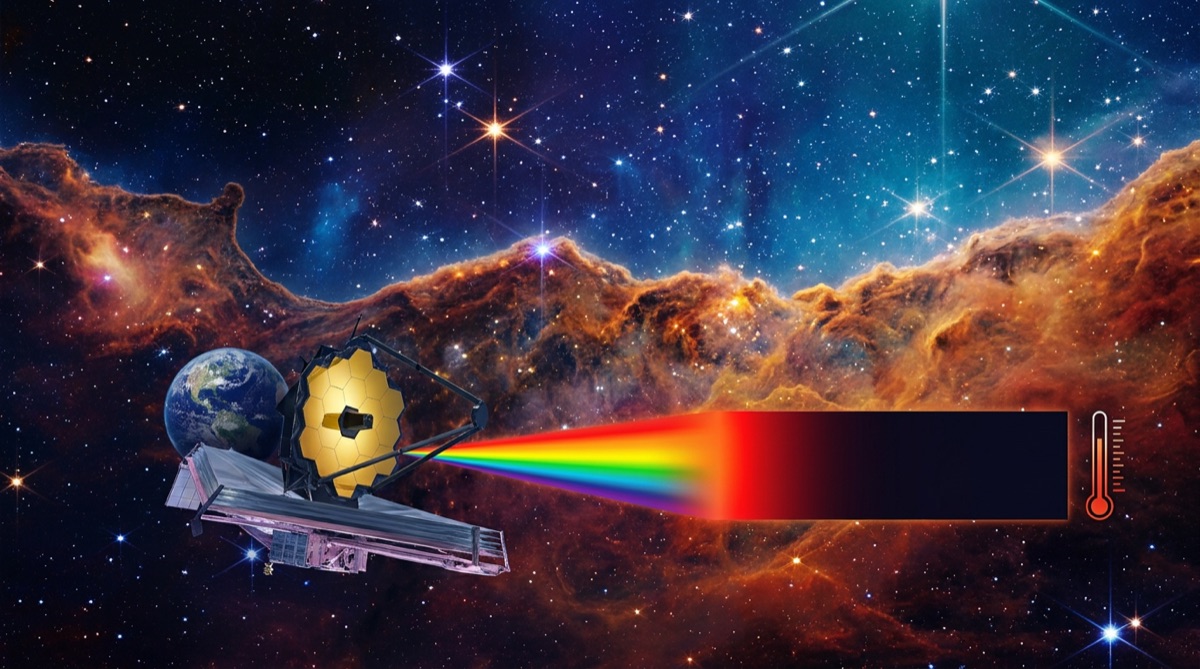
Herschel made astronomy more than the measuring of positions: he studied the sky as a whole, with stars, nebulae and a Galaxy with a shape and a history. He was knighted in 1816 and died in Slough on August 25, 1822. His son John continued his work and carried the study of the sky to the southern hemisphere. In space, the European Space Agency’s infrared observatory Herschel (2009–2013) bears his name. With the blackbody simulator you can see why a lukewarm object shines mostly in the infrared.