Her life
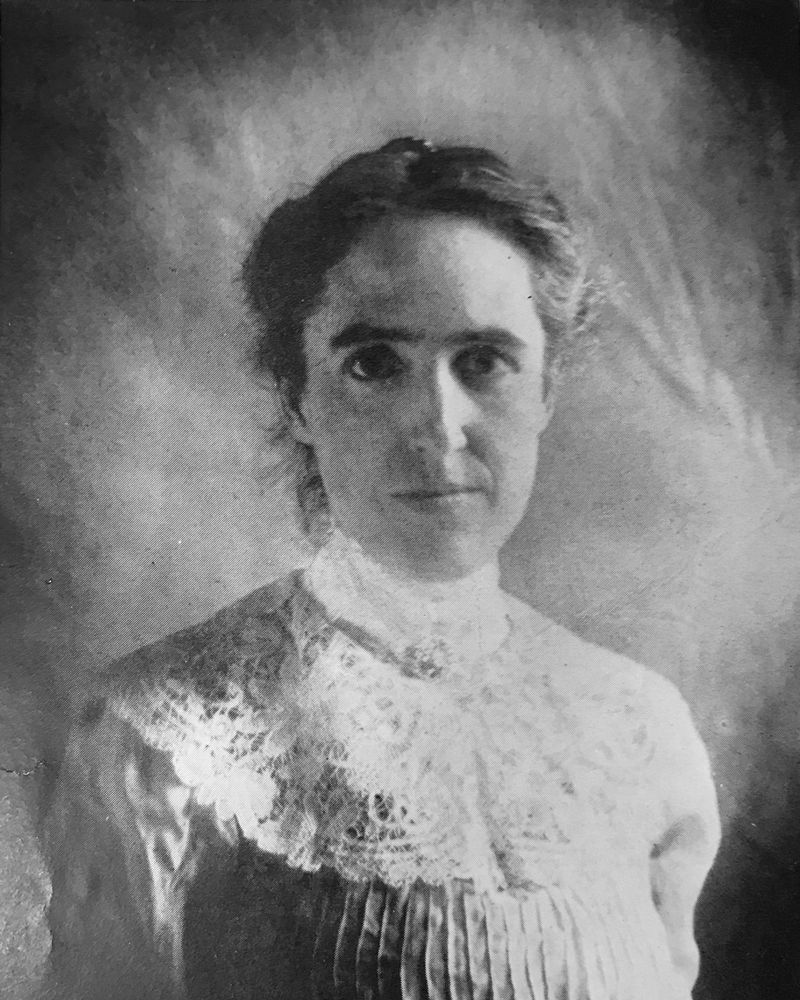
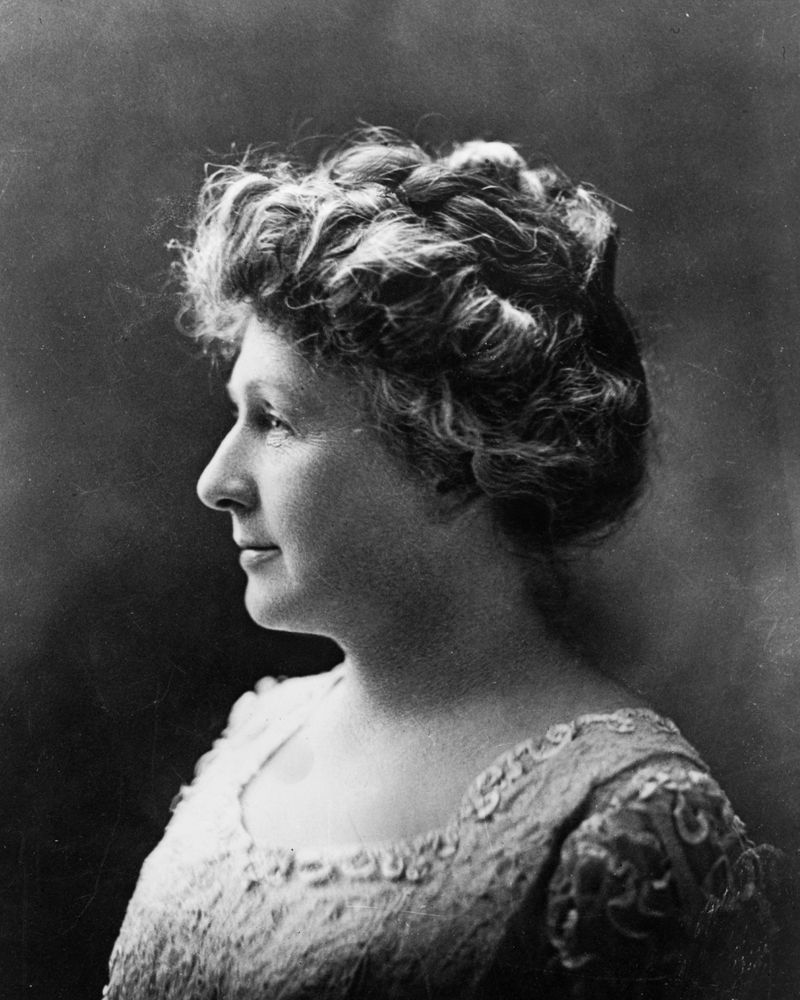
Annie Jump Cannon was born on December 11, 1863, in Dover, Delaware. Her mother, Mary Jump, taught her to recognize the constellations with the help of an astronomy book and, from childhood, Annie watched the sky from the attic of the house. She studied physics at Wellesley College, where she graduated in 1884. After returning to Delaware, a serious illness left her nearly deaf; that hearing loss stayed with her for the rest of her life.
In 1896 she joined the Harvard College Observatory, directed by Edward C. Pickering, as part of the group of women who measured and classified photographic plates. She stayed there until her retirement: in 1911 she became curator of the astronomical photographs, and in 1938, at the age of 75, the University granted her a full professorship in astronomy, a named chair, the William Cranch Bond chair. She died in Cambridge on April 13, 1941.
Sorting the stars by their spectra

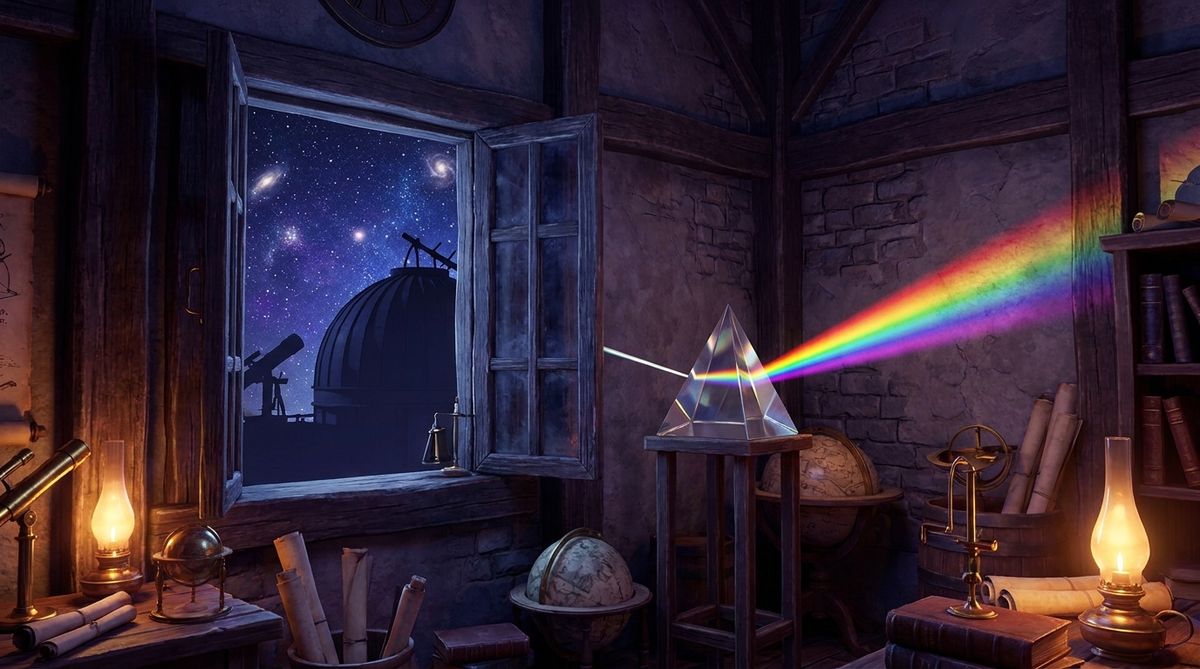
When the light of a star passes through a prism, it spreads into a spectrum crossed by dark lines: fingerprints of the hydrogen, calcium, helium and other elements in its atmosphere. By the late 19th century Harvard had thousands of photographed spectra, and astronomers classified them with letters from A to Q according to the strength of the hydrogen lines. The system was untidy: some classes looked too much alike and others had been placed out of order.
Cannon, with an almost superhuman skill at recognizing patterns, found that the classes fell naturally into order by temperature, and rearranged the alphabet: O, B, A, F, G, K, M, from the hottest (blue) to the coolest (red), with numbered subdivisions from 0 to 9. The Sun is a G2 star. A very popular English mnemonic served to remember the sequence. In 1922 the International Astronomical Union officially adopted the system, which is still in force: it is the horizontal axis of the H–R diagram. The relation between color and temperature is explored in the Blackbody simulator.
The Henry Draper Catalogue

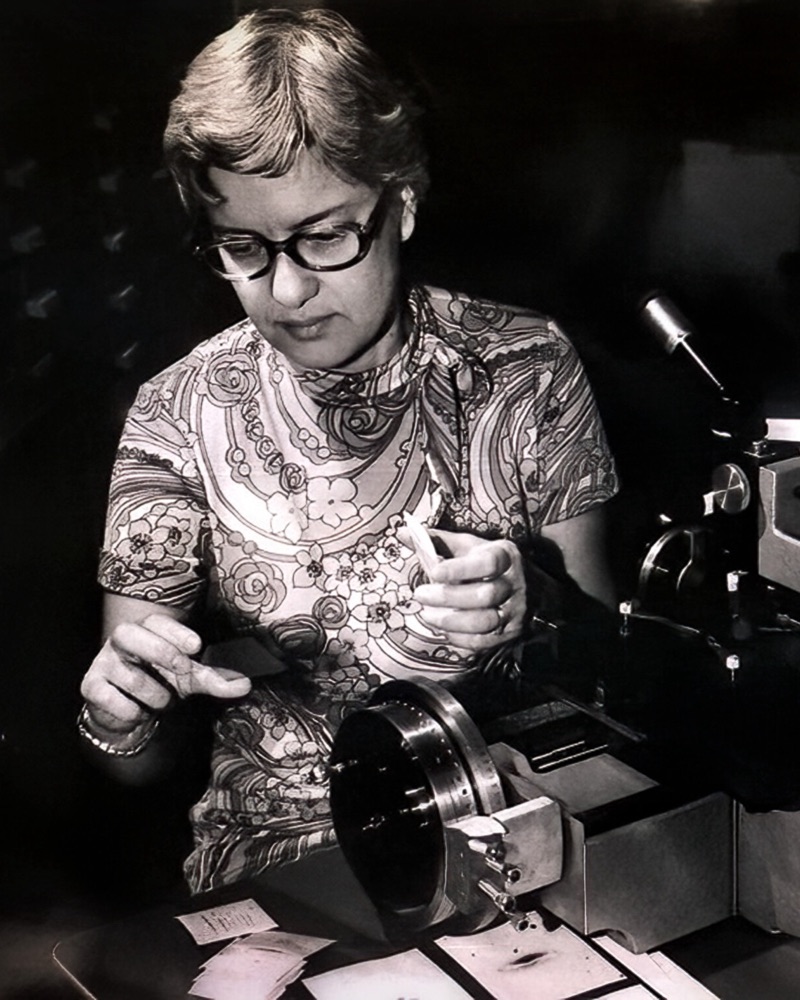
The work did not end with the system. Cannon set out to apply it to every visible star on the plates, and for years she classified by hand, examining each spectrum with a magnifying glass. It is said that she could classify several thousand stars a month. Between 1918 and 1924 her best-known work appeared: the nine volumes of the Henry Draper Catalogue, with the classifications of more than 225 000 stars (and their positions and magnitudes), later enlarged in the Henry Draper Extension. To this day there are stars known by their HD number, which is still used in astronomy to identify them.
In all she classified some 350 000 stars, and the Harvard system was the foundation on which Cecilia Payne was able to show, in 1925, what stars are really made of.
Her legacy

Cannon received many honors at a time when women were denied almost everything: an honorary doctorate from Oxford (1925), the first that university awarded to a woman in science, and the Henry Draper Medal of the US National Academy of Sciences (1931). With the money from that prize she also founded an award to encourage women astronomers, which the American Astronomical Society still presents: the Annie J. Cannon Award.
Her classification, made with a magnifying glass and a trained eye, remains the common language with which astronomers describe the stars: every time someone says the Sun is a “G2 yellow dwarf”, they are using her legacy.