Her life
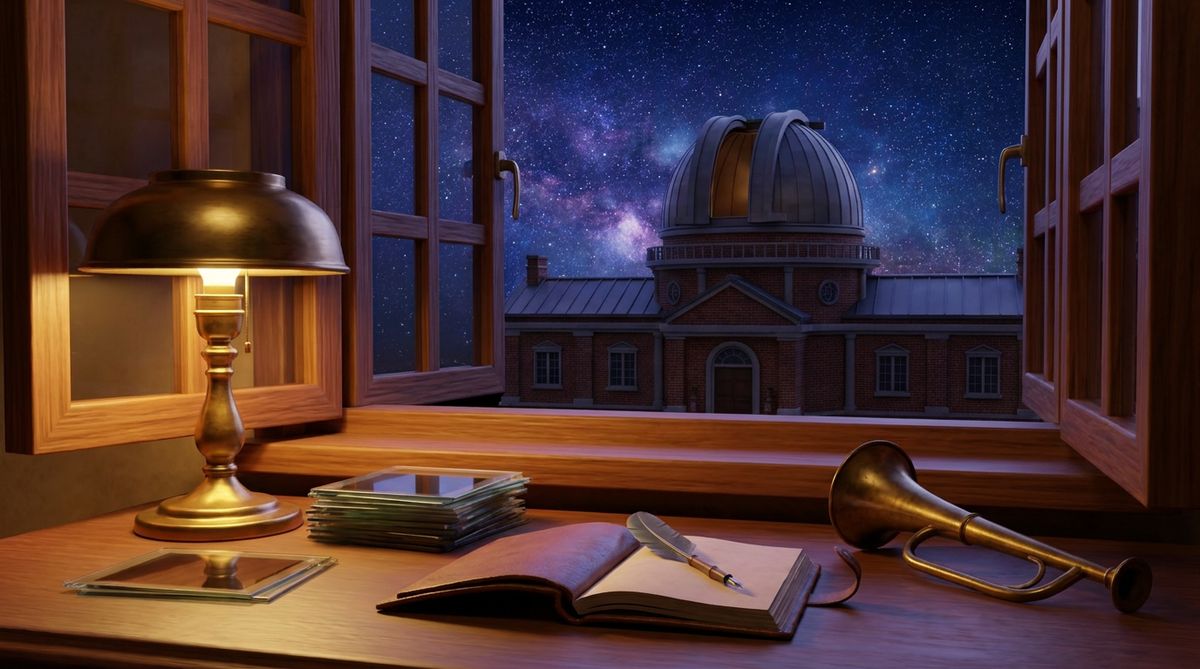
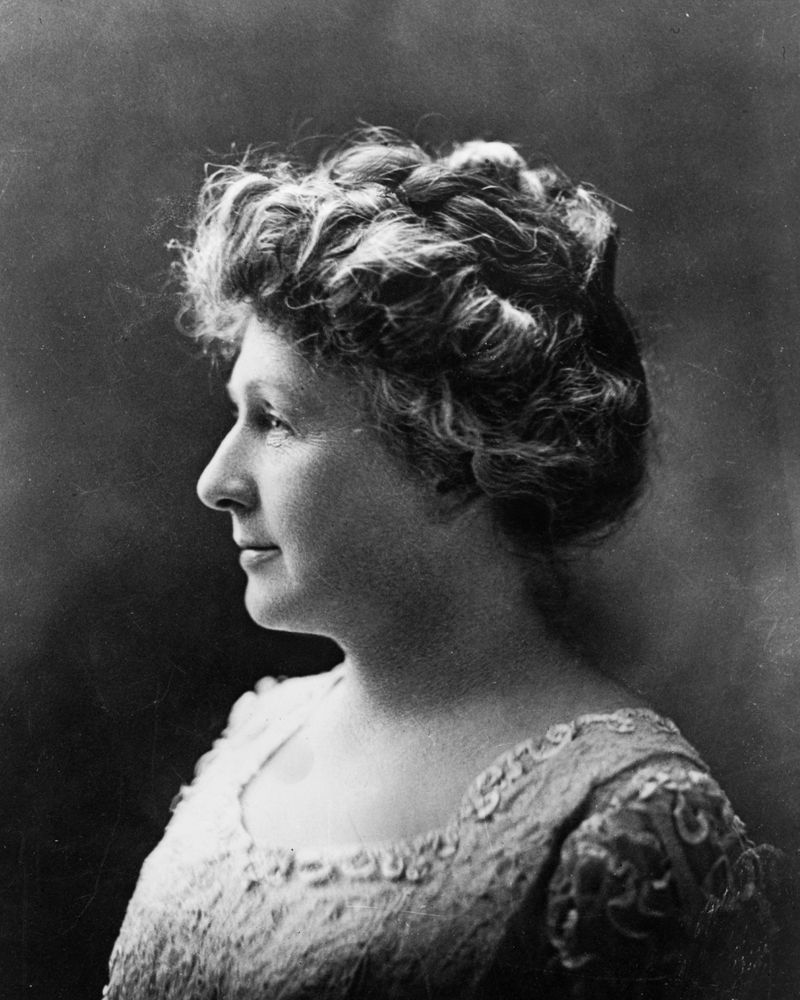
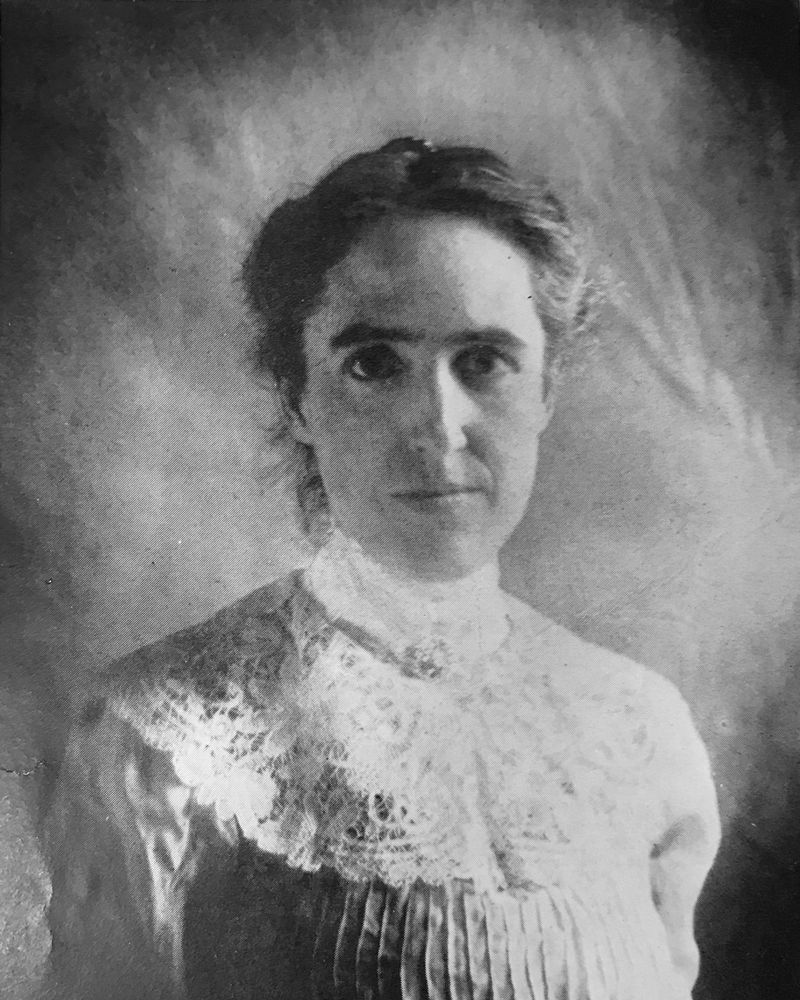
Henrietta Swan Leavitt was born on July 4, 1868, in Lancaster, Massachusetts, the daughter of a Congregationalist minister. She studied at what would later become Radcliffe College, the institution where Harvard educated women, and graduated in 1892. An astronomy course awakened her vocation. Shortly afterward an illness gradually took her hearing, and she became almost deaf.
In 1893 she began working at the Harvard College Observatory, first as a volunteer and later as a member of staff: in 1903 the director, Edward C. Pickering, hired her permanently. Her salary was modest: she is said to have earned thirty cents an hour at first. She died of cancer on December 12, 1921, at the age of 53.
The glass plates of Harvard
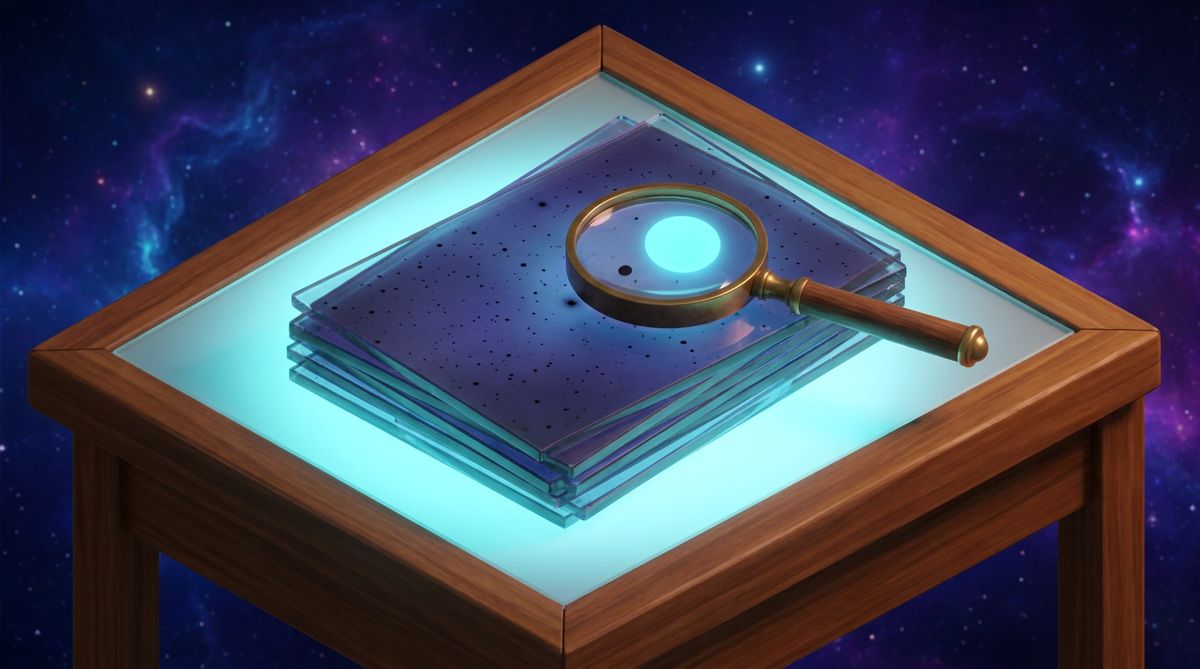
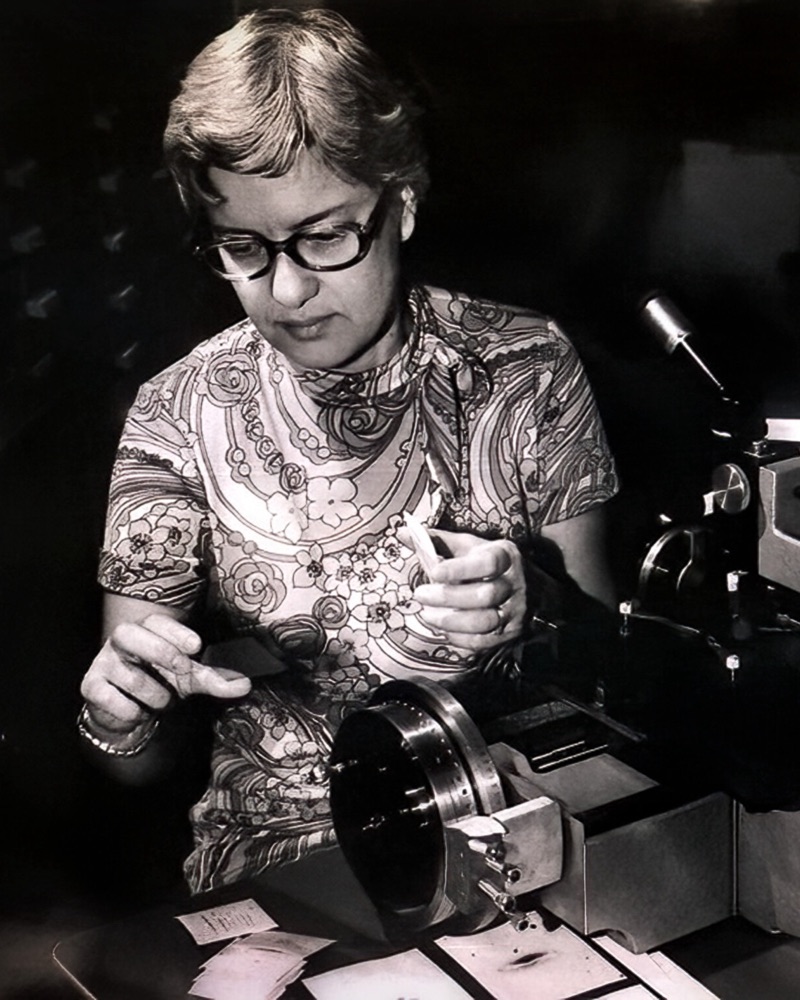
Harvard kept an enormous collection of photographic glass plates: each recorded a patch of sky, and on it the stars appeared as black dots, larger the brighter the star. Pickering employed a group of women, the “computers”, to measure and catalog those dots. Leavitt specialized in comparing two plates of the same field taken on different dates: if a star changed size, it was variable.
With that method she discovered more than 2400 variable stars, roughly half of those known in her time. To be able to measure their brightness accurately she established a reference scale of photographic magnitudes around the north celestial pole, the “North Polar Sequence”, which astronomers used for years. It is the same problem of comparing fluxes explained in the lesson on magnitudes.
The Cepheid rule
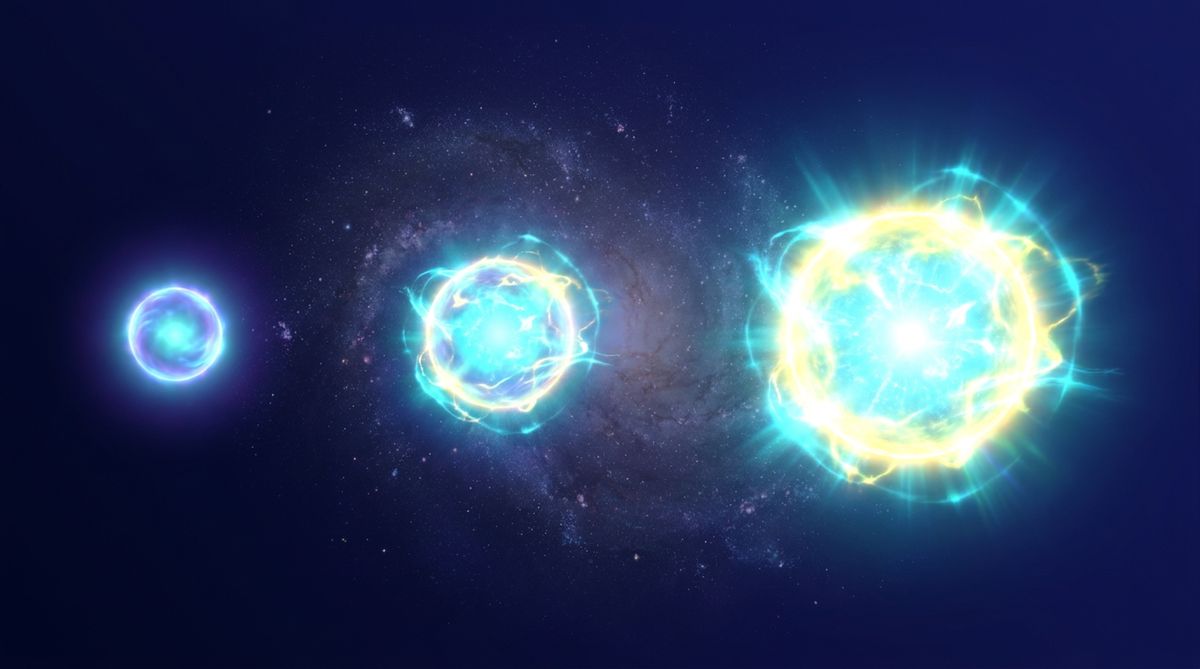
Among the variables that interested her were those of the Magellanic Clouds, two small “clouds” visible from the southern hemisphere, in the constellations Tucana and Dorado. In 1908 she published a list of 1777 variables and noted that the brightest ones had longer periods. In 1912, with the light curves of twenty-five Cepheids of the Small Cloud, she proved it: the periods ranged from just over a day to about 127 days, and the longer the period, the greater the mean brightness.
The key is that all the stars of the Small Cloud are, in practice, at the same distance from us. So the differences in apparent brightness reflect differences in true luminosity. A nearby Cepheid whose distance is known then serves to calibrate the relation, and after that it is enough to measure the period of any other to know its true luminosity and, by comparing it with its apparent brightness, how far away it is. Leavitt left the relation in empirical form; it was Ejnar Hertzsprung who calibrated it in 1913. More on the story in the article Henrietta Leavitt and the stars that tell how far away they are.
Her legacy
In 1923 Edwin Hubble found a Cepheid in the Andromeda “nebula” and, with Leavitt’s relation, showed that it was far beyond any star of the Milky Way: it was another galaxy (see Edwin Hubble). A few years later, the distances to dozens of galaxies, computed with the help of Cepheids, showed that the universe is expanding. Today Cepheids remain a rung of the cosmic distance ladder and of the measurement of the Hubble constant.
In 1925 the Swedish mathematician Gösta Mittag-Leffler wanted to nominate her for the Nobel Prize, unaware that she had died. Today a crater on the Moon and an asteroid bear her name. Leavitt never saw the most celebrated consequence of her relation, the expanding universe, but without it the astronomers of the 1920s would have had no yardstick with which to step outside the Milky Way. Leavitt’s story is a reminder of how much of our knowledge of the cosmos was born of the patient, and little recognized, work of people who looked at glass plates.